Imagine transforming Toronto yards into stunning sanctuaries that seamlessly blend beauty, sustainability, and personal expression—can such harmony truly be achieved? This guide reveals how thoughtful landscape design elevates outdoor spaces into resilient, ecological retreats that reflect homeowners’ lifestyles. By prioritizing native plants, eco-friendly materials, and innovative features like rain gardens and solar lighting, it demonstrates that environmental responsibility and aesthetic appeal are not mutually exclusive. But how do these principles translate into real-world results amid Toronto’s unique climate? Through meticulous planning, community collaboration, and ongoing maintenance, each project becomes a vibrant haven supporting local ecosystems and enriching daily life. As trends move toward smarter, regenerative landscapes, the question remains: can future outdoor retreats become powerful catalysts for ecological health and personal fulfillment? Discover how well-designed, sustainable yards are reshaping urban living—beautiful, resilient, and deeply connected to nature.
Transforming Toronto Yards into Beautiful, Sustainable Retreats
Transforming yards in Toronto is about more than just planting a few flowers or adding decorative touches—it’s about creating outdoor spaces that blend beauty with sustainability. In a city where urban life often feels busy and hurried, a well-designed yard offers a peaceful retreat that feels both personal and restorative. The goal is to craft outdoor environments that are visually appealing, environmentally responsible, and tailored to Toronto’s unique climate and seasons. When done right, these transformations do more than enhance curb appeal—they support local ecosystems and stand resilient over time.
A successful yard makeover begins with understanding what homeowners truly want from their outdoor space. Some envision a quiet sanctuary for relaxation, while others see it as a lively area for gatherings and outdoor entertaining. By listening carefully to these needs early on, designers can develop a plan that aligns with the homeowner’s lifestyle and values. When the design reflects personal preferences, the yard becomes more than just a pretty space—it turns into a meaningful extension of the home.
Creating harmony is at the core of a great landscape. It’s not enough to simply add plants or features; the elements must flow naturally and feel cohesive. Introducing focal points—like striking native plants, eye-catching sculptures, or functional features—helps define different zones within the yard. This approach makes the space both inviting and functional, guiding visitors’ eyes and encouraging exploration. When aesthetics meet ecological mindfulness, the result is an outdoor retreat that’s both beautiful and durable.
Sustainability is woven into every part of the process. Choosing native plants that thrive in Toronto’s climate reduces water and chemical use, supporting local biodiversity and making maintenance easier. Eco-friendly materials such as permeable pavers, recycled wood, and organic mulches help manage stormwater and prevent erosion, all while lowering environmental impact. Designing with the seasonal changes in mind ensures that the features and plantings will withstand Toronto’s weather, making the yard more resilient and easier to care for year-round.
When these principles are applied thoughtfully, the transformation goes beyond aesthetics. It’s about building a space that enhances the neighborhood, contributes to ecological health, and reflects the homeowner’s personality. Clear communication and attention to detail during design and installation ensure that the final result meets expectations. The yard becomes a true outdoor sanctuary—a place to enjoy, relax, and connect with nature, all while supporting sustainability.
In Toronto’s busy urban environment, a well-designed yard offers valuable respite and a chance to reconnect with nature. It’s an opportunity to create a beautiful, functional space that withstands the test of time and weather. As more residents seek eco-conscious and personalized outdoor retreats, these transformations serve as inspiring examples of how beauty and sustainability can go hand in hand. Properly planned and executed, yard renovations can turn any outdoor space into a lasting, vibrant haven that enriches everyday life.

Balancing Beauty and Ecology: Core Principles of Sustainable Landscape Design
Sustainable landscape design strikes a balance between creating beauty and protecting the environment. Instead of focusing solely on visual appeal, it emphasizes eco-friendly practices that support local ecosystems and conserve resources. Central to this approach is the use of native plants, which are well-adapted to Toronto’s climate. These plants require less water, fewer fertilizers, and minimal chemical treatments, making them easier to maintain while providing vital habitat for pollinators and wildlife. By choosing native species, designers promote biodiversity and strengthen ecological resilience.
Beyond plant selection, eco-friendly materials play a crucial role. Permeable pavers, recycled stone, reclaimed wood, and organic mulches help manage stormwater runoff, reduce erosion, and lower the environmental footprint of the landscape. These materials allow water to filter naturally into the ground, supporting groundwater recharge and easing pressure on city drainage systems. Using recycled or sustainably sourced materials not only minimizes waste but also aligns with a circular economy, giving new purpose to products that might otherwise end up in landfills.
Water conservation techniques are essential in sustainable design. Rain gardens capture and filter runoff, reducing the load on stormwater systems and encouraging groundwater replenishment. Smart irrigation systems, which adjust watering based on weather conditions, help prevent overwatering and save both water and energy. These small, strategic adjustments can make a significant difference, ensuring the yard remains lush without wasting resources—especially important during Toronto’s varied seasons.
Supporting local biodiversity is another key principle. Incorporating native plants attracts pollinators like bees and butterflies, which are vital for a healthy ecosystem. Features such as birdhouses, small water features, and wildflower patches further enhance ecological health while adding visual interest. These elements turn outdoor spaces into vibrant habitats that benefit the broader environment, creating a lively, balanced landscape right in the backyard.
Designing for climate resilience involves thoughtful planning. Proper placement of trees and shrubs provides shade and airflow, reducing the need for artificial cooling. Layered plantings and diverse species help yards withstand extreme weather, from heavy rains to droughts. By selecting adaptable, hardy plants, designers ensure that outdoor spaces remain beautiful and functional over time, even as climate patterns shift. This focus on resilience makes sustainability an ongoing, integral part of landscape care.
Integrating ecological principles into landscape design also means thinking long-term. Maintenance practices like mulching native plants, dividing overgrown perennials, and adjusting watering routines promote ongoing health and vitality. Educating homeowners on these routines transforms yard care into active stewardship, ensuring that the landscape continues to thrive sustainably. Proper maintenance turns ecological benefits into lasting results, supporting the environment and the homeowner’s peace of mind.
Ultimately, sustainable landscape design is about more than just meeting current needs; it’s about creating resilient, beautiful outdoor spaces that support ecological health for years to come. By selecting native plants, using eco-friendly materials, conserving water, and planning for climate challenges, designers craft yards that are both inspiring and responsible. These practices demonstrate that beauty and sustainability are not mutually exclusive but can work together to produce outdoor retreats that enrich lives and protect the planet.
Bringing Landscape Ideas to Life in Toronto: Practical Strategies and Client Collaboration
In Toronto, transforming landscape principles into real-world results means balancing the city’s unique climate challenges with each client’s vision. One standout project involved choosing native plants that thrive naturally in the area, reducing the need for excessive watering and chemical treatments. By selecting resilient species suited to Toronto’s seasons, the yard remains lush and vibrant while supporting local ecosystems. This practical approach demonstrates how eco-conscious plant choices can deliver both beauty and sustainability in everyday landscaping.
Early client involvement is crucial to creating successful outdoor spaces. For example, a homeowner wanting an intimate backyard retreat combined with a space for social gatherings. The designer divided the yard into distinct zones—cozy seating areas, private native shrub corners, and winding pathways—tailored to the homeowner’s lifestyle. Listening carefully to these needs shapes a design that feels personal and inviting, transforming a standard yard into a true extension of their home.
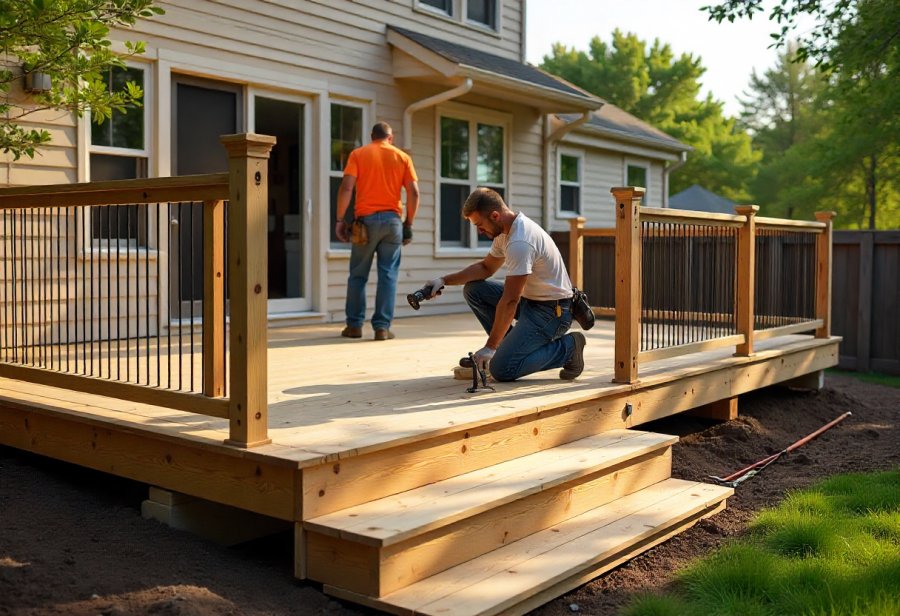
Implementation requires detailed planning and close coordination. The team sourced eco-friendly materials such as reclaimed wood for decks and recycled stone for edging, ensuring each element aligns with sustainability goals. Regular site supervision helped catch issues early, avoiding costly mistakes and maintaining quality standards. This hands-on approach underscores the importance of precision and craftsmanship in turning design concepts into a finished space that meets aesthetic and ecological expectations.
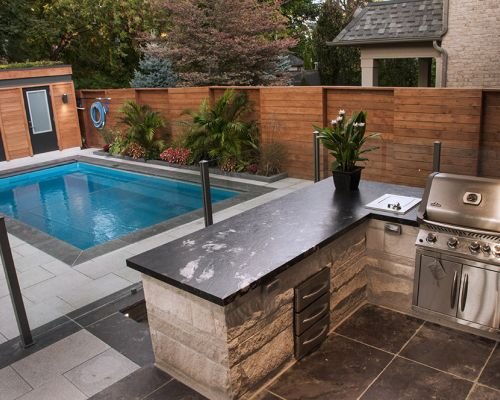
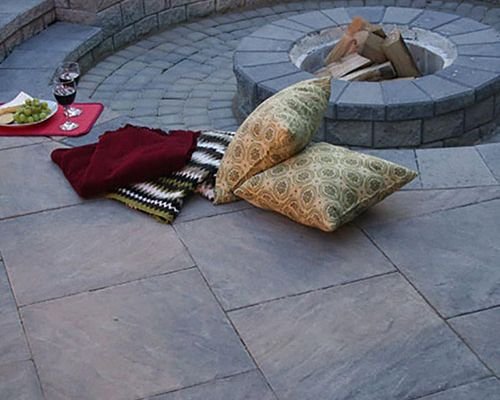
Adding innovative features elevates these outdoor retreats. An outdoor kitchen built with eco-friendly materials creates a functional space for cooking and socializing. A fire pit offers a cozy gathering spot, perfect for cooler evenings, while solar-powered pathway lights add ambiance without increasing energy use. These thoughtful details not only enhance usability but also demonstrate how creative design can marry style with eco-consciousness.
Fostering biodiversity is a key focus in Toronto projects. Native plants like milkweed and wildflowers attract pollinators such as bees and butterflies, injecting vibrancy into the landscape. Incorporating small water features and native birdhouses further supports local wildlife, turning yards into active ecological corridors. These choices add visual interest and help establish a balanced, thriving environment, proving that beauty and ecological responsibility go hand in hand.
Maintenance is an ongoing part of sustainable landscaping. Homeowners are encouraged to mulch native plants to conserve moisture and prevent weeds, while adjusting watering routines seasonally. Dividing overgrown perennials keeps plants healthy, and organic fertilizers support soil vitality. Regular care routines like these ensure the yard remains resilient and vibrant year after year, making sustainability a manageable and rewarding part of homeownership.
This practical application of design principles showcases how thoughtful planning, eco-friendly materials, and client collaboration can produce stunning, durable outdoor spaces in Toronto. When every element is tailored to local conditions and personal preferences, the result is a yard that feels natural, inviting, and environmentally responsible. It’s a testament to how well-executed landscape projects can meet aesthetic goals without compromising ecological integrity.
By blending careful design, sustainable practices, and ongoing maintenance, these projects set a standard for future yard transformations. They demonstrate that eco-consciousness and personal expression can coexist seamlessly, creating outdoor retreats that are both beautiful and resilient. As clients see their visions come to life through thoughtful execution, they gain not just a stunning yard but a space that supports the health of their environment and enriches their everyday lives.
Looking Ahead: Trends and Reflections on Sustainable Yard Design
As the field of sustainable yard design continues to evolve, the core principles of ecological responsibility and personal expression remain central. More homeowners recognize that a beautiful outdoor space can also serve as a vital ecological asset, supporting local biodiversity and reducing resource consumption. Native plants, water-efficient systems, and eco-friendly materials are no longer optional but essential components of thoughtful landscape design. When integrated thoughtfully, these elements ensure that yards are resilient, visually appealing, and capable of withstanding the challenges posed by climate variability over time.
Emerging trends point toward smarter, more adaptive solutions that make sustainable landscaping easier and more accessible. Automated irrigation systems equipped with sensors are gaining popularity, helping homeowners optimize water use based on real-time weather and soil data. Regenerative practices, which focus on restoring and enhancing local ecosystems rather than simply minimizing harm, are gaining momentum. These approaches turn yards into active contributors to environmental health—encouraging pollinators, supporting native wildlife, and improving soil quality. The shift from static to dynamic, ecosystem-focused design reflects a deeper understanding of how outdoor spaces can serve broader ecological goals.
Collaboration between clients and designers is becoming more personalized and integrated. When homeowners participate actively from the outset, their unique lifestyles, preferences, and values shape every aspect of the landscape. This partnership fosters a sense of ownership and pride, making the yard more than just a visual asset—it becomes an extension of their identity and a reflection of their commitment to sustainability. As a result, the landscape is more likely to be maintained with care and enthusiasm, ensuring its long-term success and ecological integrity.
Innovative features are also redefining outdoor retreats. Solar-powered lighting, water-saving appliances, modular outdoor kitchens, and reclaimed-material fire pits combine style with function, making outdoor living both comfortable and eco-conscious. These elements encourage more frequent use of outdoor spaces, promoting a lifestyle that values nature and sustainability equally. As technology continues to advance and become more affordable, these kinds of features will become standard, seamlessly blending convenience with ecological mindfulness and enriching the outdoor experience.
Long-term success hinges on ongoing maintenance and education. Simple practices like mulching native plants, dividing perennials, and adjusting watering routines according to the seasons keep landscapes vibrant and sustainable. Educating homeowners about these routines turns yard care into active stewardship, transforming maintenance from a chore into a meaningful way to nurture the environment. When care routines are embedded into everyday habits, sustainable landscapes thrive well beyond their initial installation, serving as living proof of responsible living. This continuous commitment not only preserves the beauty of the yard but also reinforces a broader culture of ecological respect and resilience.