Dive into the roaring legacy of the 1970s Chevrolet SS, a symbol of American muscle car rebellion and raw power. This era’s iconic vehicles, with their aggressive styling, thunderous engines, and rebellious spirit, transformed roads into stages of daring adventure and personal freedom. As modern cars draw inspiration from these legendary models—adopting bold designs, upgraded performance, and nostalgic cues—can they truly capture the essence of that fearless, unrestrained attitude? Today’s enthusiasts blend vintage restoration with cutting-edge technology, enhancing performance while honoring history. Looking ahead, the future of muscle cars promises an exciting fusion of electric power, advanced aerodynamics, and digital sophistication—raising questions about how the spirit of rebellion will adapt in an eco-conscious world. Will the relentless roar of the past give way to a new era of innovation, or will the core passion for American performance endure, echoing louder than ever?
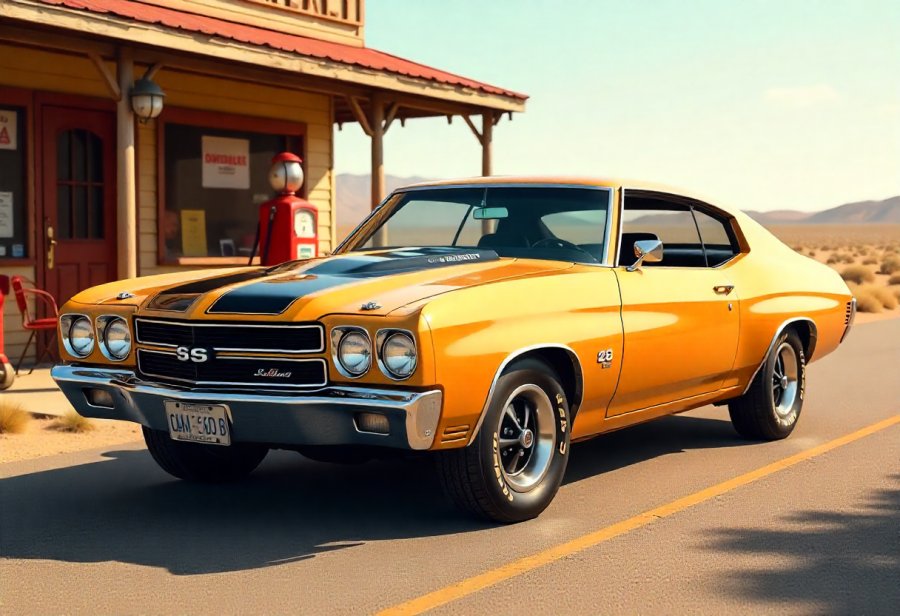
Rebel Spirit and Power: Exploring the 1970s Chevrolet SS Era
The 1970s marked a defining chapter in American automotive history, and muscle cars like the Chevrolet SS became symbols of that bold era. These vehicles weren’t just transportation; they embodied a spirit of rebellion, freedom, and unbridled power that captured the imagination of a nation eager for excitement. With their aggressive styling, broad stances, and thunderous V8 engines, cars like the Chevelle SS 454 set a new standard for performance and flair. Their presence on the road was impossible to ignore, as they announced themselves with roaring exhaust notes and eye-catching designs.
This period saw automakers pushing engineering limits to create machines that looked as fierce as they sounded. Chevrolet responded with models that combined muscle, style, and performance—each one a statement of American ingenuity. The Chevelle SS 454, equipped with a massive 454-cubic-inch V8 producing over 450 horsepower, became an instant icon. Its hood scoop, racing stripes, and muscular lines weren’t just aesthetic choices—they were badges of power, designed to turn heads and deliver exhilarating speed.
Beyond their technical specs, muscle cars like the Chevrolet SS quickly became cultural icons. They appeared in movies, music, and media, shaping a rebellious image that resonated with young drivers and enthusiasts alike. Car clubs and drag racing scenes flourished around these machines, fostering communities centered on speed and customization. More than just vehicles, they became symbols of independence and personal expression, embodying a desire to break free from societal norms and push boundaries.
The muscle car era of the 1960s and 1970s was about more than horsepower; it reflected a societal shift towards freedom and daring. These cars turned everyday roads into stages for bold statements and unforgettable experiences. Their roaring engines and aggressive styling made them stand out as much for their attitude as for their performance, turning driving into a form of personal rebellion. Today, their legacy endures, reminding us that these vehicles captured the essence of American muscle—powerful, rebellious, and unmistakably bold.
From Roots to Icon: The Cultural Impact of American Muscle Cars
The rise of the Chevrolet SS and other American muscle cars in the 1960s and 1970s didn’t happen by chance; it was a reflection of the cultural and social landscape of the era. America was experiencing a wave of optimism, rebellion, and a newfound love for speed, which transformed cars from mere transportation into symbols of freedom and individual expression. Automakers responded by designing vehicles that looked as powerful as they sounded, with large-displacement V8 engines, bold styling cues like racing stripes, hood scoops, and wide, muscular stances that demanded attention on the road.
Competition among brands fueled rapid development and innovation. Chevrolet, in particular, pushed boundaries with models like the Chevelle SS 454, which packed a 454-cubic-inch V8 producing over 450 horsepower. These engineering feats weren’t just about raw performance; they were a showcase of American ingenuity and a statement of strength. The aggressive looks and thunderous engines of these cars quickly made them icons, appearing in movies, music, and media that celebrated toughness and rebellion, embedding themselves into the cultural fabric.
More than just machines, muscle cars became cultural symbols that transcended their mechanical appeal. Car clubs, drag racing, and street racing scenes flourished around these vehicles, creating communities centered on speed, customization, and shared passion. They embodied a desire for independence and a break from societal norms, especially among young drivers eager to stand out and make a statement. The roar of a big-block engine became the soundtrack of an era that valued daring and personal freedom, turning every drive into an act of rebellion.
Throughout this period, muscle cars also influenced fashion, music, and lifestyle, reinforcing their status as icons of resilience and innovation. Their visual appeal—muscular bodies, racing stripes, and bright colors—matched their performance and contributed to their legendary status. This combination of style and power helped cement their legacy, making them symbols of American resilience and craftsmanship that continue to inspire.
Decades later, the influence of these vehicles persists. They are not merely nostalgic relics but benchmarks for performance and design that still inspire modern recreations and restorations. Enthusiasts and collectors celebrate the bold designs and engineering excellence of the era, keeping the spirit of the muscle car alive through vintage restorations and aftermarket modifications. Their story remains intertwined with America’s love of pushing boundaries and celebrating individualism.
The legacy of the Chevrolet SS and similar muscle cars endures because they captured a moment in time—an era defined by technological innovation and cultural rebellion. These cars symbolize more than horsepower; they embody a daring attitude and an unyielding desire to break free from convention. Their impact continues to resonate, reminding us that even in a world of constant change, the spirit of American muscle still roars loud and proud.
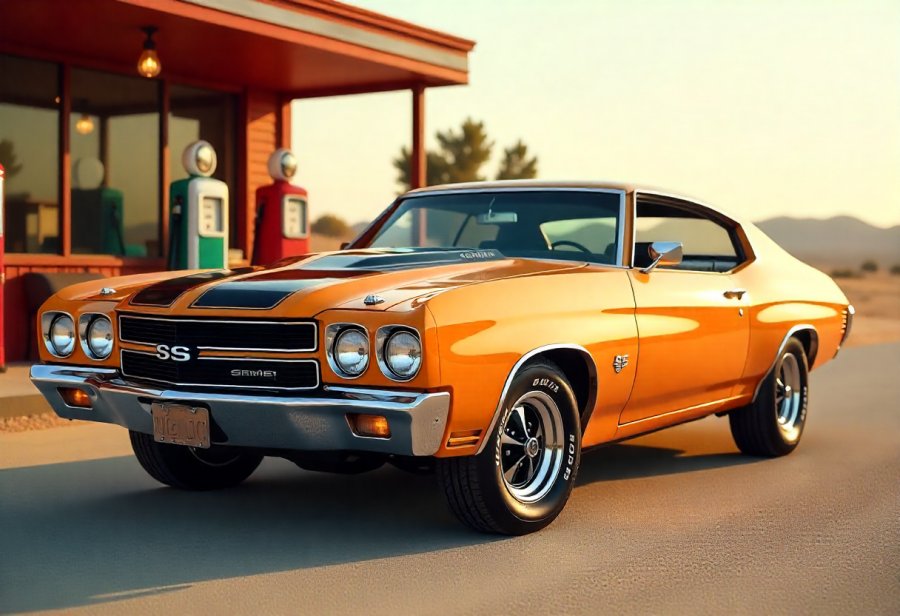
Reviving Legends: How Modern Cars Echo the Classic Muscle Style
Today’s muscle cars draw a clear line back to the classic models of the 1970s, especially icons like the Chevrolet SS. Car designers and manufacturers are revisiting those bold lines, aggressive stances, and distinctive styling cues that defined the golden age of American horsepower. Modern interpretations often feature wider bodies, prominent front grilles, and retro touches like racing stripes or hood vents—subtle nods that evoke the muscle car era. These design elements aren’t just for show; they tap into the same sense of power and rebellion that made vintage muscle cars so memorable.
Performance has evolved significantly, yet the spirit remains intact. Many newer models incorporate turbocharged V6 or V8 engines that deliver impressive power while improving fuel efficiency and drivability. This shift allows drivers to enjoy high performance without the excessive fuel consumption that once defined muscle cars. Customization options also abound, with aftermarket parts enabling enthusiasts to add vintage-inspired touches like chrome accents, wide stance kits, or vibrant paint schemes such as Hugger Orange or Rally Green. The goal is to give modern cars a nostalgic look while ensuring they perform reliably on today’s roads.
The influence of these vintage styles extends beyond aesthetics. Modern muscle cars often feature advanced suspension systems, electronic aids, and digital dashboards that enhance handling and safety. This blend of old and new creates vehicles that honor the muscle car legacy while being better suited for contemporary driving conditions. Whether it’s a sleek grille design or period-correct wheels, these details keep the spirit of the 1970s alive, reinterpreted through modern engineering.
Major manufacturers like Chevrolet, Ford, and Dodge are leading this revival, releasing new versions of their legendary models that combine retro appeal with cutting-edge technology. These cars aren’t just nostalgic throwbacks—they’re built to perform at the highest levels, appealing to a new generation of enthusiasts who value both style and substance. Meanwhile, aftermarket companies continue to produce parts that allow owners to customize and recreate the muscle car look, emphasizing individuality and ongoing passion for American performance cars.
Despite all the technological advancements, the core appeal remains unchanged: bold style, raw power, and a rebellious attitude. Today’s muscle cars make it possible to carry forward the legacy of the 1970s Chevrolet SS while pushing into new territory. They prove that the spirit of American muscle—aggressive design combined with exhilarating performance—is as relevant and exciting now as it was decades ago. These modern interpretations serve as a bridge, connecting the past’s nostalgia with the future’s innovation.
In essence, the revival isn’t about copying history but reimagining it for a new era. The modern muscle car is a canvas that respects its roots while embracing contemporary technology and design trends. It’s about capturing that timeless feeling of power and attitude, then amplifying it with today’s engineering prowess. The result is a vehicle that feels familiar yet fresh—an authentic tribute to the golden age of American muscle.
This ongoing evolution highlights that muscle cars remain more than just relics; they’re a living part of automotive culture. Each new model pays homage to the classics while pushing the boundaries of what’s possible. The modern muscle car is a testament to enduring passion, blending history with innovation to keep the roar alive for generations to come. Whether on the street or at car shows, these vehicles continue to symbolize freedom, rebellion, and the relentless pursuit of performance.
Blending Past and Present: Customization and Practical Applications of Muscle Car Heritage
Enthusiasts today love blending the old with the new by restoring vintage muscle cars while adding modern upgrades that enhance performance and comfort. Restoring a classic Chevrolet SS often begins with returning it to its original glory—authentic paint colors, period-correct badges, and vintage-style trim to preserve that nostalgic look. But the real excitement comes with mechanical upgrades. Swapping out the old carbureted engine for a fuel-injected version improves reliability, fuel efficiency, and drivability, making these cars more enjoyable for daily use or weekend cruises.
Modern performance enhancements are a popular way to keep these cars thrilling on today’s roads. Upgrading the suspension with coil-over systems or sway bars transforms handling, turning a vintage muscle car into a more agile and confident ride without sacrificing its signature power. Similarly, modern exhaust systems and brake upgrades not only boost performance but also add to the authentic muscle car sound and presence. These tweaks allow owners to experience the raw energy of a muscle car while benefiting from the advancements of today’s technology.
Interior customization is another key focus. Retro-inspired gauges and dials can be paired with digital infotainment systems that mimic period-correct styling but offer Bluetooth, navigation, and smartphone connectivity. This blend of vintage aesthetics and modern convenience keeps the cabin feeling authentic while providing the features drivers expect now. Enthusiast communities and online forums are treasure troves for ideas, parts, and advice, making it easier than ever to personalize a build and achieve that perfect balance between old-school charm and modern functionality.
Beyond mechanical and interior upgrades, many owners opt for visual modifications that truly make their cars stand out. Wide-body kits, hood scoops, racing stripes, and vibrant paint schemes like Hugger Orange or Rally Green can elevate a classic to showstopper status. These styling choices not only boost curb appeal but also serve as a personal signature, reflecting the owner’s unique taste and passion. Carefully selected aftermarket parts ensure that these visual upgrades complement the car’s overall muscle car character, creating a cohesive and eye-catching look.
Approaching these projects with patience and attention to detail is essential. Sourcing high-quality parts, working with experienced builders, and staying true to the vehicle’s original spirit will yield the best results. When executed thoughtfully, restoration and customization turn vintage muscle cars into personalized expressions of passion—vehicles that honor the legacy of the muscle car era while embracing the capabilities of the modern age. This fusion of past and present keeps the thrill of American muscle alive, inspiring new generations to appreciate its enduring power and style.
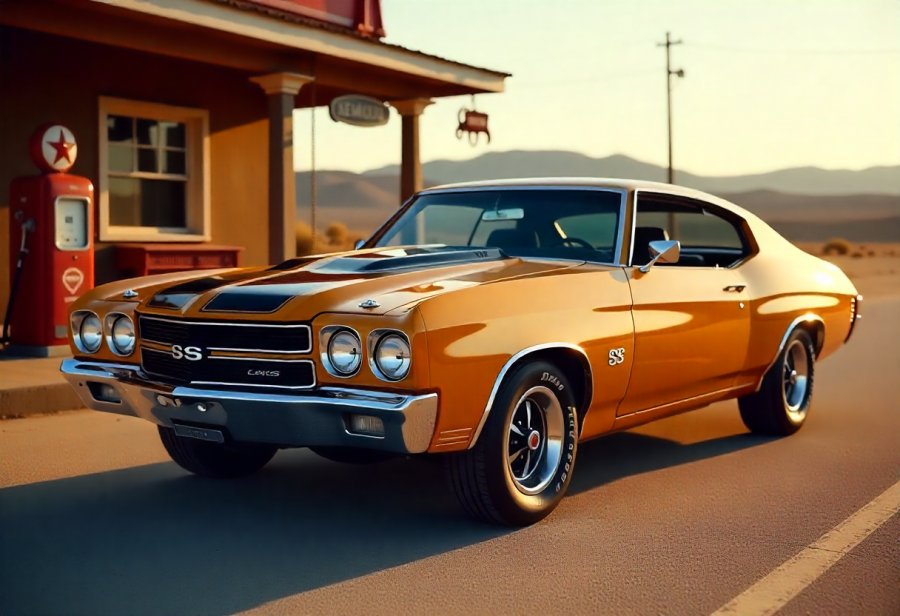
Gazing Forward: The Next Chapter for Muscle Cars in a Changing World
Looking ahead, the future of muscle cars is set to blend the raw, rebellious spirit of the 1970s Chevrolet SS with cutting-edge technology and evolving cultural values. Electric powertrains are beginning to challenge traditional notions of horsepower, offering instant torque, impressive acceleration, and zero emissions. While some enthusiasts may miss the thunderous growl of a big-block V8, manufacturers are developing electric muscle cars that maintain bold styling cues—think aggressive lines, wide stances, and retro-inspired details—while delivering modern, sustainable performance. These vehicles aim to preserve the essence of muscle cars, just in a cleaner, quieter package.
Advancements in lightweight materials and aerodynamic design are reshaping muscle cars for the digital age. Using composites and aluminum reduces weight, boosting speed and handling without sacrificing that muscular stance. Sleeker profiles and strategic aerodynamics not only improve efficiency but also pay homage to classic designs, ensuring the new models retain their visual impact. It’s a delicate balance—honoring the past while embracing the future—that keeps the muscle car relevant in a world increasingly focused on sustainability and innovation.
Technology integration will continue to redefine what a muscle car can be. Digital dashboards, customizable driving modes, and smart connectivity now come standard, giving drivers more control and personalization. Some models might incorporate semi-autonomous features, making muscle cars safer and more practical for everyday use. Despite these high-tech touches, the core appeal remains the same: a vehicle that makes a statement, exuding power and attitude with every mile.
Cultural shifts around environmental responsibility and safety are also influencing muscle car development. Manufacturers are exploring hybrid options and cleaner engines that strike a balance between performance and eco-consciousness. Safety features like advanced driver-assistance systems will become more integrated, broadening appeal beyond traditional enthusiasts and ensuring muscle cars adapt to modern expectations without losing their rebellious edge.
Design language will evolve to blend the boxy, aggressive look with more aerodynamic, streamlined forms. Expect sleeker grilles, integrated spoilers, and innovative lighting that nods to classic elements while pushing the boundaries of modern styling. These updates aim to keep the bold spirit alive but in a more efficient and adaptable shape, ensuring muscle cars remain relevant on tomorrow’s roads and in the cultural conversation.
Enthusiasts and innovators will play a significant role in shaping this future. Restorers, tuners, and tech firms are already experimenting with hybrid and electric builds that honor legacy while pushing creative limits. Collaborations and custom projects will make these vehicles more accessible and personalized, keeping the passion for American muscle alive and evolving. The roar of the muscle car will continue to resonate, inspiring new generations to embrace performance, style, and freedom.
In the end, muscle cars like the Chevrolet SS symbolize more than raw power—they represent a relentless push to break boundaries and redefine what’s possible. As technology advances and cultural priorities shift, these vehicles will adapt without losing their core identity. The spirit of American ingenuity, rebellion, and performance isn’t just enduring; it’s poised to roar louder and more innovatively than ever, ensuring muscle cars remain icons of freedom and excitement in the decades to come.