In a digital world filled with constant notifications and superficial connections, can tending a garden together unlock genuine emotional bonds and healing? This exploration reveals that gardening is more than a hobby—it’s a soulful act that fosters trust, communication, and mutual growth. As people nurture soil and watch life blossom, they experience stress relief, emotional resilience, and deeper intimacy. From community gardens to therapeutic programs, the collective effort in cultivating plants mirrors and strengthens human relationships. Scientific research and emerging practices highlight gardening’s profound impact on mental health, offering a natural antidote to loneliness and anxiety. Could these green spaces become vital refuges for personal and collective well-being? With technological advances connecting gardeners worldwide and urban initiatives transforming cityscapes into lush sanctuaries, the future of gardening as a tool for emotional healing looks promising. Ultimately, tending to plants may hold the key to reconnecting us amid life’s chaos—are we ready to dig in?
Cultivating Connection: How Gardening Deepens Human Bonds
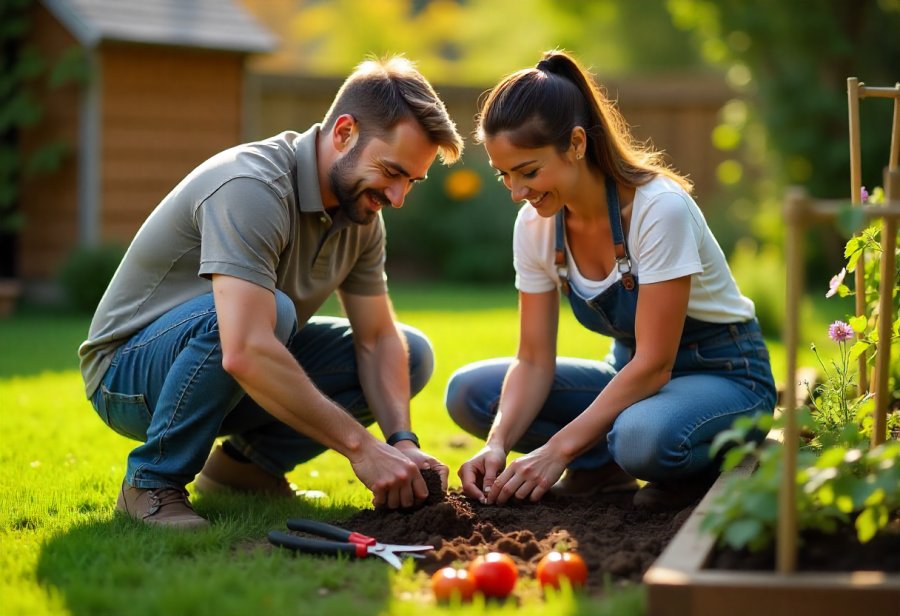
Gardening isn’t just about planting flowers or growing vegetables; it’s a quiet yet powerful way for people to forge deeper emotional connections. When we work alongside others in a garden, we share more than just the physical act of tending soil—we exchange experiences that foster trust, communication, and a sense of partnership. This shared effort in nurturing life creates a natural space for bonds to grow, often without words, rooted in patience and mutual care.
In today’s digital age, meaningful human connection can feel harder to come by. Constant notifications and social media can leave us feeling more isolated, even as we remain superficially “connected.” Gardening offers a refreshing alternative—a hands-on activity that pulls us into the present moment. Working side by side outdoors encourages honest conversations and genuine interaction, helping to rebuild trust and emotional intimacy that might be lacking elsewhere.
Historically, humans built relationships through direct, personal contact—family routines, communal gatherings, shared rituals—that relied on face-to-face interaction. Gardening taps into those timeless traditions, offering a modern way to revive the foundations of connection. It demands patience and cooperation, providing natural opportunities for meaningful conversations and shared experiences that strengthen relationships without the need for elaborate plans.
Beyond social bonding, gardening has remarkable healing qualities. Spending time outdoors, nurturing plants, and witnessing growth can reduce stress, calm the mind, and boost emotional well-being. When people work together in a garden, these moments of shared effort often lead to feelings of trust and vulnerability, deepening emotional ties organically. Watching life flourish through collective care becomes a powerful metaphor for resilience and personal growth.
Ultimately, gardening becomes more than a hobby—it transforms into a pathway for healing and connection. It invites us to slow down, listen, and care for something outside ourselves, fostering bonds that can withstand life’s ups and downs. In tending to the soil and each other, we discover that true connection is rooted in shared effort, patience, and mindful presence.
Nature’s Remedy: The Healing Power of Garden-Based Therapy
Spending time outdoors and working with plants has long been linked to emotional healing and stress relief. Gardening offers a gentle, mindful way to reconnect with nature, providing more than just physical activity. When we plant, tend, and watch life grow, our bodies and minds respond positively. Research shows that interacting with greenery can lower cortisol levels, calm anxiety, and boost overall mood. The repetitive, rhythmic tasks involved—watering, pruning, harvesting—help focus attention and promote mindfulness, making it easier to let go of worries and be present.
Engaging with nature through gardening isn’t just about the physical act; it’s about the environment it creates for emotional well-being. Working alongside others in a shared garden fosters trust and emotional intimacy. As people plant seeds, nurture young shoots, or harvest crops together, they develop a sense of teamwork and mutual reliance. These shared experiences open pathways for honest communication and vulnerability, key elements for deepening emotional bonds.
Scientific studies support the idea that gardening can significantly improve mental health. For example, a study published in the *Journal of Therapeutic Horticulture* found that participants who spent time tending gardens experienced notable reductions in stress and symptoms of depression. Personal stories echo this—many describe feeling calmer, more centered, and more hopeful after caring for plants. The act of nurturing growth becomes a metaphor for personal healing, offering a sense of purpose and achievement.
Gardening also builds emotional resilience. Caring for living things teaches patience and acceptance—skills that help people cope better during tough times. When plants succeed or fail, gardeners learn to accept setbacks and celebrate victories, fostering a growth mindset that benefits mental health. This connection to nature acts as a quiet, ongoing therapy, helping individuals process emotions and restore balance.
Being in natural environments reduces mental fatigue. The sights, sounds, and smells of a garden engage the senses and draw attention away from stressors. This sensory immersion provides a calming reset, promoting clarity and calmness. Whether it’s the scent of blooming flowers or the feel of soil in the hands, these small moments of mindfulness can have a profound impact on emotional well-being and resilience.
Growing Trends: Modern Practices in Gardening for Mind and Heart
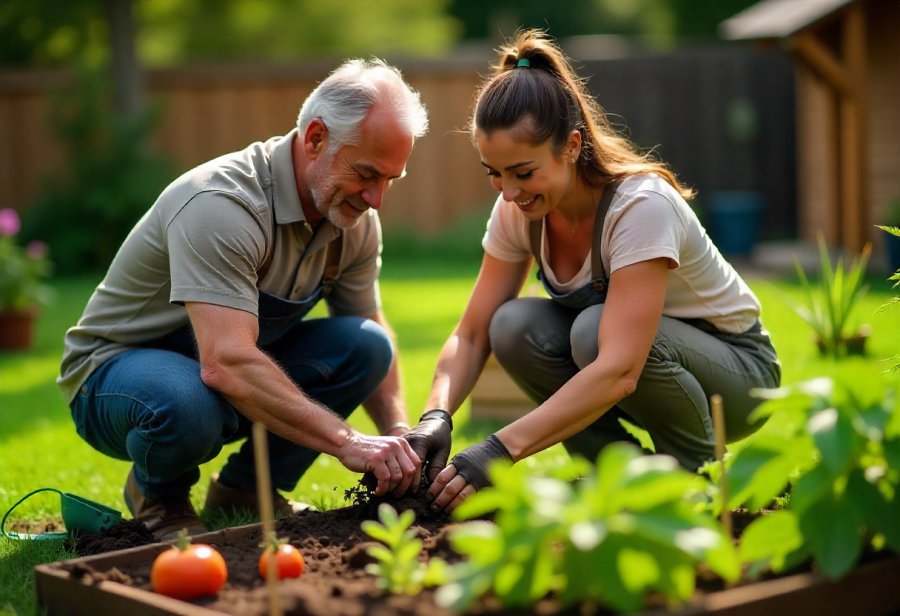
In recent years, gardening has grown beyond a simple hobby to become a powerful tool for building relationships and supporting mental health. Community gardens, for example, have become popular spaces where neighbors and strangers come together to cultivate shared plots. These projects foster social bonds through teamwork and collective effort, creating a sense of belonging that extends well beyond the garden beds. Working side by side, people develop trust, improve communication, and often form friendships rooted in a common purpose.
Therapeutic gardening programs have also gained momentum, often led by mental health professionals. These structured activities focus on planting, composting, and landscape work, encouraging mindfulness and emotional openness. Participants learn to be present in the moment, connecting with nature in a way that helps process feelings and reduce anxiety. Such programs highlight gardening’s role as a non-verbal form of therapy, making emotional healing accessible in a natural outdoor setting.
Mindfulness-based practices are increasingly integrated into gardening routines. Guided meditations in outdoor environments or sensory activities—like focusing on the scent of flowers or the texture of soil—help individuals slow down and develop calm awareness. This active form of meditation turns gardening into a tool for emotional resilience, promoting mental clarity and stress relief while fostering a deeper connection to the present. As these approaches become more widespread, they make the therapeutic benefits of gardening accessible to a broader audience.
Digital platforms also play a significant role in connecting gardeners worldwide. Online forums, social media groups, and virtual workshops allow people to share advice, celebrate successes, and troubleshoot challenges. These communities foster a sense of shared purpose and belonging, especially for those who may lack access to local green spaces. Technology extends the reach of gardening’s healing and bonding effects, creating a global network of support that transcends geographical boundaries.
Urban gardening initiatives continue to expand, transforming balconies, rooftops, and vacant lots into vibrant green spaces. These small but impactful projects offer city dwellers a chance to reconnect with nature and each other. Urban gardens often become community hubs, where residents collaborate on planting and maintenance. They serve as emotional refuges amid concrete environments, strengthening neighborhood ties and providing a sense of peace and well-being.
Family and couple gardening are also on the rise, emphasizing how shared outdoor activities can deepen bonds. Simple routines like planting herbs or creating flower beds together turn everyday moments into meaningful rituals. These small acts of collaboration foster communication, patience, and mutual support—values that translate into stronger emotional connections outside the garden. Making gardening a regular part of life helps nurture trust and understanding among loved ones.
As awareness of gardening’s mental health benefits grows, so does the integration of eco-therapy and mindfulness practices into everyday routines. Sensory-focused gardening or guided outdoor meditations help people slow down and focus on the present moment. These small, intentional acts of connection with nature can have lasting effects on emotional health, making self-care more practical and approachable.
Looking ahead, community resilience will likely be strengthened through increased investment in green spaces and shared outdoor projects. Neighborhood gardens and collaborative planting initiatives foster emotional support and social cohesion, especially in diverse or underserved areas. These efforts not only promote mental well-being but also build bridges among different groups, creating stronger, more connected communities. With ongoing innovation and expanded awareness, gardening is poised to become an even more integral part of nurturing both individual and collective mental health.
Nurturing Bonds: Practical Ways to Strengthen Relationships Through Gardening
Sharing a garden offers more than just growing plants; it creates a meaningful space for emotional connection through simple, intentional activities. Starting with small actions like planting seeds together can foster teamwork and a shared sense of purpose. Deciding what to grow, preparing the soil, and carefully sowing each seed encourage patience and cooperation, turning routine chores into opportunities for trust-building. These moments become more than just about the plants—they cultivate a foundation of mutual support and understanding that extends beyond the garden.
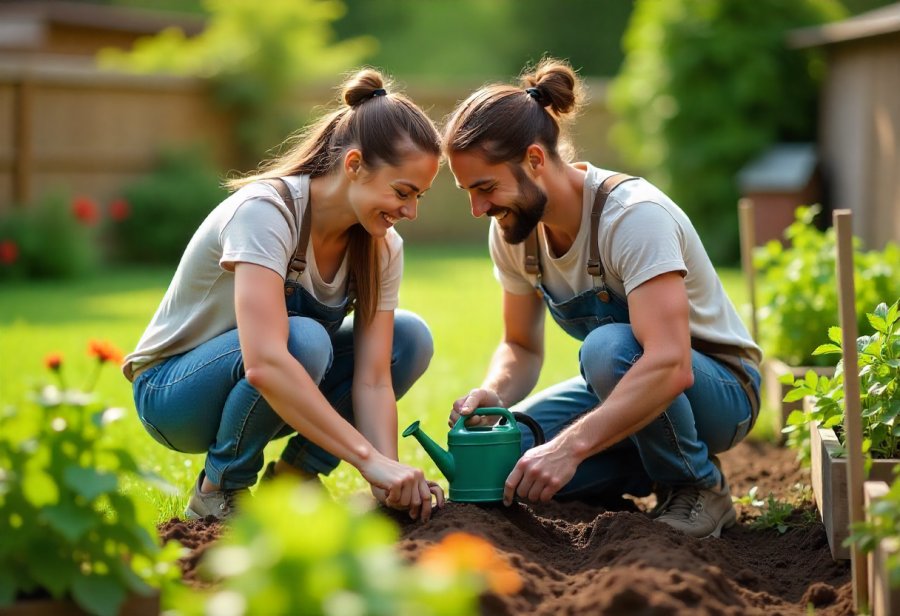
Watering the garden can transform into a calming ritual that sparks genuine conversation. Taking turns or working side by side while watering creates a peaceful rhythm that naturally encourages eye contact and gentle dialogue. This shared task replaces mundane chores with bonding moments, emphasizing that growth in a relationship, like in a garden, requires effort, patience, and teamwork. Over time, these routines become a source of connection, reinforcing trust and shared achievement.
Harvesting vegetables or flowers offers a tangible symbol of success and collaboration. Celebrating the first ripe tomatoes or a vibrant bouquet fosters feelings of pride and shared accomplishment. These small victories, celebrated together, deepen emotional ties and remind us that working as a team yields positive results—not only in the garden but also in our relationships. Such moments create lasting memories that reinforce the value of patience, cooperation, and mutual effort.
Even minor projects like building a compost bin or arranging potted plants can serve as powerful bonding activities. These tasks demand planning, cooperation, and joint decision-making, transforming simple acts into meaningful rituals. Completing these projects together instills a sense of achievement and highlights that nurturing life is a shared journey. These activities also promote ongoing communication and problem-solving, strengthening the emotional fabric of the relationship.
When schedules are tight or skills differ, setting realistic goals and breaking tasks into manageable steps can keep gardening enjoyable rather than stressful. Celebrating small wins along the way encourages continued effort and patience. This approach transforms gardening from a potential source of frustration into a shared experience rooted in growth and learning, emphasizing process over perfection and making the activity accessible and rewarding for everyone involved.
Incorporating regular gardening routines—whether watering in the morning or harvesting after work—creates natural moments for connection. These consistent acts build a foundation of understanding and trust, woven through patience, cooperation, and shared love for nurturing life. Making gardening a part of everyday life deepens emotional bonds, turning tending to plants into a powerful tool for relationship growth and mutual healing.
Planting the Future: Emerging Trends and the Promise of Gardening for Emotional Well-Being
The future of gardening as a tool for emotional healing and connection is increasingly promising, driven by innovative approaches and expanding awareness. Eco-therapy, which combines mindfulness with outdoor activities, is gaining recognition as a powerful way to support mental health. Engaging deeply with nature through these practices can nurture mental clarity, emotional resilience, and a sense of calm. As research continues to validate the benefits of green spaces, gardening is poised to play a more central role in holistic wellness strategies.
Digital platforms are transforming how we connect through gardening, making shared experiences accessible regardless of location. Online communities, virtual workshops, and social media groups foster global networks of support, advice, and encouragement. These digital spaces help gardeners from diverse backgrounds exchange knowledge and celebrate successes, creating a sense of belonging that extends beyond physical boundaries. Such connectivity not only amplifies the healing potential of gardening but also democratizes access to its emotional benefits.
Urban gardening initiatives are expanding rapidly, turning balconies, rooftops, and vacant lots into vibrant green sanctuaries within city landscapes. Even small-scale projects serve as emotional refuges amid the hustle and bustle of urban life. These community-driven efforts foster cooperation and shared purpose, strengthening neighborhood bonds and providing residents with a sense of pride and calm. As cities become greener, these gardens become vital spaces for relaxation, socialization, and emotional well-being.
Structured therapeutic programs are increasingly integrated into mental health care, with trained professionals guiding participants through planting, landscape work, and mindfulness exercises. These efforts turn outdoor gardening into a form of non-verbal therapy, accessible and adaptable to various needs. As awareness grows around the mental health benefits of such initiatives, they can reach broader audiences, helping break down barriers to emotional healing and personal growth.
The integration of mindfulness into gardening routines continues to deepen. Sensory-focused activities like focusing on the scent of flowers or the texture of soil transform outdoor work into active meditation. These small, purposeful acts encourage present-moment awareness, reducing stress and fostering emotional balance. As more people incorporate such practices into daily life, gardening evolves into a practical, accessible form of self-care that nurtures both body and mind.
Looking ahead, community resilience is set to strengthen through increased investment in green spaces and shared gardening projects. Neighborhood gardens and collective planting efforts serve as hubs for emotional support, social cohesion, and cultural exchange. They help bridge gaps among diverse groups, fostering understanding and cooperation while providing a sanctuary for mental rejuvenation in an increasingly complex world.
Scientific insights into eco-therapy and mindfulness will refine gardening practices, making their benefits more targeted and potent. As these methods become mainstream, they will integrate seamlessly into broader health and wellness frameworks, encouraging everyone to see outdoor activity as not just recreational but essential for emotional health. Digital tools will continue to connect people, creating new opportunities for shared growth and healing.
Ultimately, the future of gardening as a means of emotional connection is rooted in its adaptability and universal appeal. From urban rooftops to rural farms, the act of tending plants will remain a powerful way to nurture resilience, foster relationships, and promote well-being. As society recognizes the profound impact of nature on mental health, gardening will become an even more vital part of our collective journey toward healing and connection.