Few moments in a dog’s life encapsulate pure joy like a sunny outdoor walk with their favorite human. These routines are more than mere exercise; they are celebrations of freedom, curiosity, and connection. As dogs sniff, explore, and observe, they gain mental stimulation and emotional fulfillment, while owners cherish the opportunity to bond and unwind. But what makes these simple acts profoundly meaningful? Throughout history, outdoor walks have supported a dog’s health, trust, and confidence, evolving with cultural changes and technological innovations. Today’s modern routines, enriched by GPS trackers, eco-friendly gear, and pet-friendly spaces, continue to foster safety, engagement, and mutual trust. Yet at their core, these walks remain a timeless act of love—an accessible ritual that nurtures well-being, strengthens bonds, and transforms ordinary moments into shared happiness. How can embracing these simple joys shape a healthier, happier life for both dogs and their owners?
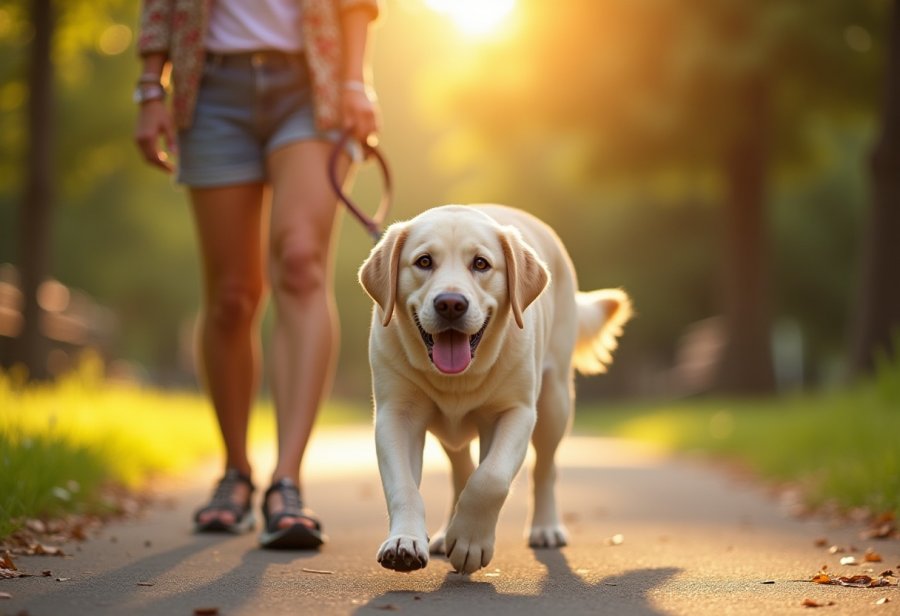
Celebrating Freedom and Connection: The Joy of Outdoor Dog Walks
Few moments in a dog’s life feel as joyful as a sunny outdoor walk with their favorite human. These outings aren’t just about moving from one place to another; they celebrate freedom, exploration, and connection. For dogs, each walk is a sensory adventure—an opportunity to sniff out new scents, observe different sights, and hear a variety of sounds. These simple acts stimulate their minds and spark curiosity, bringing pure happiness in every tail wag and eager gaze.
For owners, outdoor walks serve as a vital break from daily routines. They’re more than exercise; they’re a chance to unwind, share a special moment, and strengthen the bond with their pets. Whether it’s a leisurely stroll through a park or a brisk hike along a nature trail, these experiences foster trust and mutual enjoyment. They turn routine outings into meaningful rituals, deepening the emotional connection between dog and owner.
The importance of outdoor walks extends beyond fun. They are essential for a dog’s health—supporting physical fitness, mental stimulation, and emotional balance. Regular activity helps maintain a healthy weight, builds muscle, and improves cardiovascular health. Meanwhile, exposure to diverse environments keeps a dog’s mind sharp and prevents boredom, which can lead to behavioral issues. These walks are a simple yet powerful way to nurture a happy, well-rounded pet.
Beyond the physical benefits, outdoor walks cultivate trust and emotional security. Dogs look to their owners for reassurance as they encounter new experiences. Responding with gentle praise or calm guidance reassures them, fostering a sense of safety. Over time, these shared moments of exploration reinforce love and trust, creating a foundation of mutual understanding that lasts a lifetime.
What makes outdoor walks truly special is their simplicity. A quiet trail, the rustling leaves, or a sunny afternoon in a bustling park can turn an ordinary day into a memorable adventure. These moments require minimal planning but offer maximum rewards—mental engagement, physical exercise, and emotional bonding. In the end, outdoor walks are more than a routine; they’re a chance to celebrate life’s small pleasures and the joy of companionship.
From Ancient Trails to Modern Parks: How Outdoor Walks Shaped Dog-Human Bonds
Humans and dogs have shared outdoor spaces for thousands of years, forming a bond rooted in mutual benefit and companionship. In ancient times, dogs weren’t just pets; they were essential working partners involved in herding, guarding, and hunting—all outdoor activities that kept them physically active and mentally engaged. These routines of regular outdoor movement helped develop their instincts and strength, fostering trust and a sense of purpose shared with their human counterparts.
As societies evolved, so did the way people incorporated outdoor walks into daily life. Initially, these outings served practical functions—working dogs needed to patrol, herd, or guard. But with urbanization and changing lifestyles, outdoor walks shifted toward leisure and socialization. Developing designated parks, leash laws, and dog-friendly spaces reflected a growing understanding of how important outdoor activity is for a dog’s health and happiness. These routines became meaningful rituals that strengthened the emotional bond between dogs and their owners.
Throughout history, humans recognized that outdoor activity was vital for a dog’s physical wellbeing. Dogs involved in outdoor work naturally built muscle, endurance, and agility. Exposure to fresh air, varied terrains, and new scents kept their minds alert and prevented boredom. These experiences not only supported their physical health but also contributed to their confidence and emotional resilience, making them better companions and helpers.
Different cultures and regions added their own flavor to outdoor walking traditions. In Western countries, routines like morning or evening walks in parks became common, often with leashes and harnesses to ensure safety. In rural areas, dogs enjoyed more freedom to roam, reflecting different attitudes about outdoor exploration and independence. Across the globe, these varied practices highlight a universal understanding: outdoor walks are fundamental to a dog’s wellbeing and their relationship with humans.
The recognition that outdoor activity promotes social bonding and trust has persisted through the ages. Sharing outdoor routines helped forge stronger relationships, built on mutual reliance and understanding. These walks provided opportunities for dogs to learn obedience, gain confidence, and feel secure in their environment. For owners, observing their dog’s joy and trust during these outings reinforced a deep emotional connection that endures beyond any specific activity.
Today, advancements in outdoor routines continue to build on this legacy. Modern innovations—such as GPS trackers, specialized gear, and off-leash zones—support safer, more enriching experiences. Urban planners and communities are increasingly designing pet-friendly spaces that encourage diverse outdoor activities, making these moments more accessible and meaningful. Despite technological progress, the core value remains the same: outdoor walks are timeless opportunities to nurture trust, joy, and companionship.
Looking ahead, the importance of outdoor walks for dogs will only grow, driven by a deeper understanding of their benefits and the development of new tools and spaces. As we continue to value these simple, shared moments, we reinforce a bond rooted in exploration, trust, and love. The history of outdoor walking reminds us that, at its heart, a walk is about more than movement—it’s a vital act of connection that enriches the lives of both dogs and their owners.
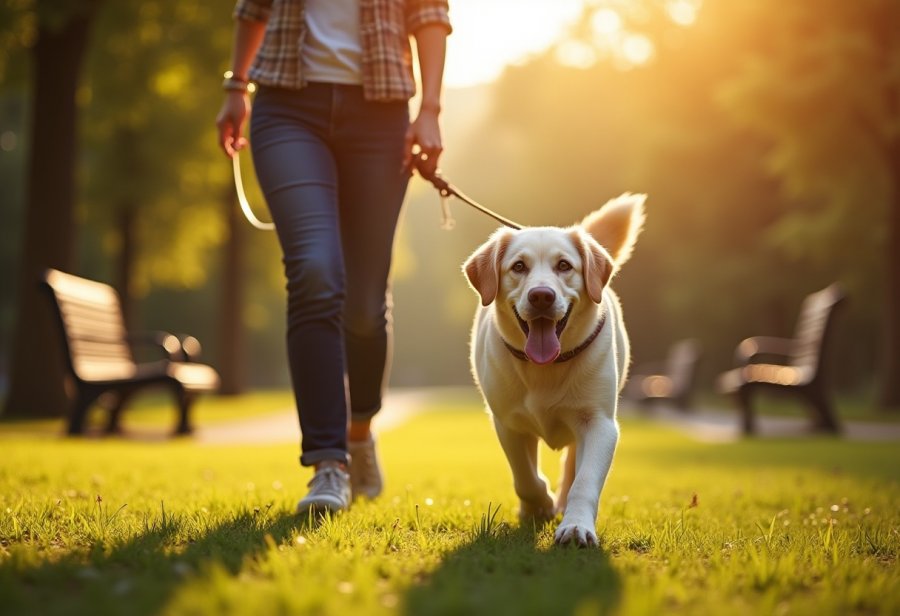
Evolving Practices and Cultural Flavors in Today’s Dog Walking Routines
Today, outdoor dog walking routines are more varied and tailored than ever before. Owners adapt their routines to fit their lifestyles, their dog’s personality, and the environments available to them. Some start their mornings with brisk jogs or quick neighborhood strolls, while others prefer relaxed walks through parks or along scenic nature trails. This diversity keeps the experience fresh and prevents routines from becoming monotonous, helping dogs stay mentally and physically engaged.
Technology has played a significant role in shaping modern walking practices. GPS trackers, activity monitors, and specialized harnesses are now common tools that help owners keep tabs on their pet’s location, health, and activity levels. These devices make exploring new routes safer and more organized, giving owners confidence to extend walks or venture into unfamiliar territory. The integration of interactive toys and training apps turns routine walks into opportunities for mental stimulation and bonding, enriching the experience for both dog and owner.
Cultural differences influence how outdoor walks are integrated into daily life. In urban areas, leash laws and designated dog parks promote structured, supervised outings. Many city dwellers seek out off-leash zones or pet-friendly cafes, transforming walks into social events for dogs and their humans. In contrast, rural regions often allow more freedom, with dogs roaming larger open spaces and engaging in more spontaneous exploration. These regional practices reflect varying attitudes toward outdoor activity and independence, yet all share a common goal: supporting a dog’s well-being through regular outdoor time.
Urban environments have driven innovations aimed at making outdoor walks safer and more enjoyable. Community efforts have led to the creation of pet-friendly parks, green corridors, and off-leash zones that encourage socialization and active exploration. Modern infrastructure supports responsible pet ownership by providing accessible spaces where dogs can roam freely and safely. These developments foster a sense of community and ensure that outdoor routines remain an integral part of urban pet life.
Safety and comfort are now central to outdoor walking routines. Owners increasingly use ergonomic harnesses, reflective gear, and portable water bottles to enhance the experience. Carefully choosing routes that match a dog’s energy level—whether a gentle stroll in a city park or a vigorous hike in the countryside—helps prevent boredom and fatigue. Mixing different environments and terrains also stimulates a dog’s senses, making each walk a new adventure that keeps their mind sharp and their body healthy.
Finally, the future of outdoor dog walking looks promising with ongoing innovations. Smart collars, mobile apps, and eco-friendly gear will make outdoor adventures safer and more engaging. Urban planning and community initiatives continue to expand pet-friendly spaces, making outdoor routines more inclusive and accessible. Despite all these changes, the core of outdoor walking remains unchanged: it’s about exploration, trust, and the simple joy of sharing life’s small moments with a beloved dog.
Transforming Theory into Practice: The Real-World Benefits of Outdoor Walks
Outdoor walks offer tangible benefits that directly influence a dog’s happiness and health, making them a cornerstone of responsible pet ownership. Regular outings help maintain a healthy weight, build muscle tone, and support cardiovascular fitness. Beyond the physical, these routines provide vital mental stimulation—exposing dogs to new scents, sights, and sounds that keep their minds sharp and prevent boredom. When dogs are engaged both physically and mentally, they tend to be calmer, more confident, and better behaved at home.
Sharing outdoor walks deepens the bond between dogs and their owners in a way words cannot. As dogs explore unfamiliar environments, they look to their humans for reassurance. Responding with gentle praise, calm guidance, or simple encouragement strengthens this trust and creates a sense of safety. These shared moments of discovery and connection build a foundation of mutual understanding that lasts a lifetime, turning routine outings into meaningful rituals of love and companionship.
Using practical tools can make outdoor walks safer and more enjoyable for everyone involved. Well-fitted harnesses or collars provide control without causing discomfort, especially during energetic or busy outings. Carrying essentials like water, waste bags, and treats ensures that the experience remains positive, regardless of the length or location of the walk. Planning varied routes that include different terrains and environments stimulates your dog’s senses, preventing boredom and promoting curiosity. These small adjustments can transform a simple walk into an enriching adventure that benefits both physical health and mental well-being.
Training during outdoor walks is another powerful way to maximize their benefits. Teaching commands like “sit,” “stay,” or “heel” in real-world settings improves obedience and safety. Rewarding good behavior with treats or praise reinforces positive habits and boosts your dog’s confidence. This approach makes walks more enjoyable and secure, while also fostering a respectful, responsive relationship. Over time, these routines create a harmonious balance between fun, discipline, and trust.
Beyond immediate benefits, outdoor walks support emotional well-being and reinforce a sense of security. Dogs that regularly experience positive outings tend to feel more relaxed and confident in their daily lives. Witnessing their owner’s calm guidance and consistent encouragement nurtures a secure environment, which can alleviate anxiety and behavioral issues. For owners, observing their dog’s happiness during these moments offers reassurance that simple routines can have profound, lasting impacts. When approached with care and attentiveness, outdoor walks become not just physical activity, but a meaningful act of nurturing a joyful, trusting bond.
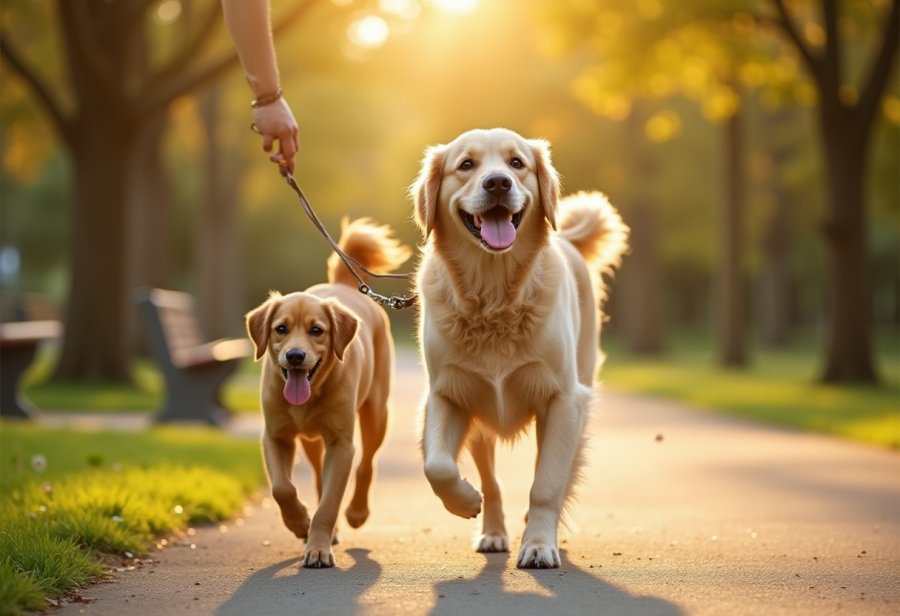
Looking Ahead: Innovations and the Future of Outdoor Dog Walking
Outdoor dog walking has proven to be a timeless activity that offers benefits far beyond simple exercise. These daily routines help keep dogs healthy by supporting weight management, strengthening muscles, and promoting joint health. Equally important, exploring new scents, sights, and sounds stimulates their minds and prevents boredom, which is crucial for their emotional well-being. When dogs are engaged and active outdoors, they tend to be happier, more confident, and better behaved, leading to a more balanced and fulfilled pet.
For owners, these walks serve as opportunities to deepen trust and forge stronger emotional bonds. Shared outdoor experiences create moments of mutual understanding and affection, reinforcing a dog’s sense of security. Responding to their signals with praise, calm guidance, or treats nurtures a relationship rooted in positive reinforcement. Over time, these simple routines become rituals of love and connection, enriching both pet and owner’s lives.
Looking ahead, the future of outdoor dog walking is set to be shaped by technological advances and a continued focus on responsible ownership. Smart collars, GPS trackers, and mobile apps will enhance safety and engagement, allowing owners to monitor their pet’s health and location in real time. These tools will enable tailored routines that match each dog’s needs, making outdoor adventures more enriching and personalized. Simultaneously, a growing awareness of environmental sustainability will inspire eco-friendly gear and practices, helping preserve natural spaces for generations to come.
Community efforts and urban planning are also expanding access to pet-friendly spaces, including parks, green corridors, and off-leash zones. These developments foster socialization, encourage responsible exploration, and make outdoor walks more inclusive. As cities and neighborhoods become more accommodating, dogs and their owners will enjoy greater opportunities for safe, joyful outings that strengthen their bond and promote well-being.
Despite these innovations, the core value of outdoor walks remains unchanged: they are about connection, discovery, and shared joy. In a world increasingly driven by technology, the simple act of stepping outside together continues to be a powerful act of love and trust. By embracing new tools and respecting natural spaces, we can ensure that outdoor adventures remain a source of happiness, health, and connection for dogs and their owners, enriching lives one step at a time.