Step into the hidden world of the backyard mechanic’s sanctuary, where passion and craftsmanship transform a simple garage into a hub of innovation and tradition. Beyond shelves filled with tools, clever secret compartments, custom-built jigs, and strategic lighting reveal a space designed for mastery and discovery. Here, restoration becomes more than a task—it’s a meditative ritual rooted in patience, attention to detail, and resourcefulness, turning rusted relics into renewed masterpieces. But what secrets lie behind this seemingly ordinary workshop? The answer resides in ingenious storage solutions, DIY solutions, and technological upgrades that elevate functionality while preserving the soul of traditional mechanics. As techniques evolve with modern tools like ultrasonic cleaners and digital tuning, the journey of mastering garage restoration becomes an ongoing adventure of learning, patience, and passion. Are you ready to uncover the hidden secrets that make this space a true haven for automotive revival?
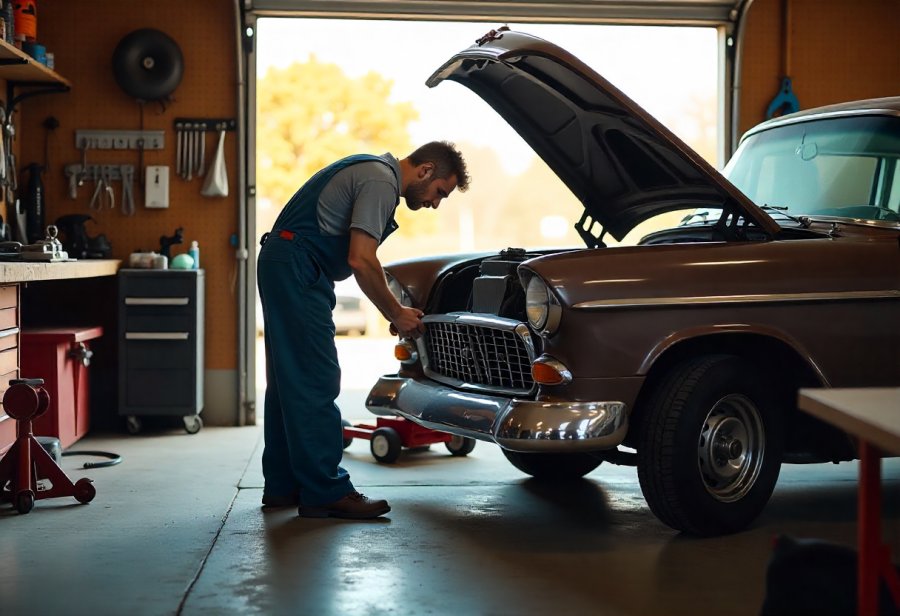
Transforming the Garage into a Personal Sanctuary of Passion
The garage isn’t just a space for parking; it’s the beating heart of a backyard mechanic’s world. More than a storage unit, it’s a personal sanctuary where a genuine love for machines comes to life. Hours are spent tuning engines, rebuilding vintage parts, and experimenting with custom solutions—all driven by passion and craftsmanship. In this quiet corner, focus sharpens, worries fade, and time seems to slow down amid the scent of motor oil and the hum of tools. It’s a place where creativity flows freely, and every project tells a story of patience and ingenuity.
Inside, the garage reflects its owner’s personality and dedication. Shelves are lined with tools, each with a purpose, and workbenches are cluttered yet organized, ready for the next challenge. This environment isn’t just about fixing cars; it’s about reconnecting with a craft handed down through generations. Restorations become meditative rituals—disassembling, cleaning, and rebuilding—where rust and decay give way to renewed beauty. Every bolt turned and every engine revived deepens the bond between the mechanic and their machines.
Beyond the technical, the garage functions as a mental refuge. It’s where stress melts away with each turn of the wrench, and focus sharpens on the delicate details. Thoughtful organization and a well-designed space create an atmosphere that fosters inspiration and efficiency. Hours pass unnoticed when immersed in a project, and the satisfaction of bringing a neglected vehicle back to life makes every effort worthwhile. This sanctuary isn’t just about restoration; it’s about the joy of craftsmanship and the fulfillment of turning passion into tangible results.
The garage is also a hub for community and shared knowledge. It’s a place where ideas are exchanged, techniques are learned, and friendships are formed. Whether it’s a quick fix or a full-scale restoration, the space holds endless potential for discovery. It encourages experimentation and rewards patience, ensuring that every project becomes a step closer to mastery. More than a workshop, it’s a space of growth, connection, and love for the timeless art of mechanical revival.
Uncovering Hidden Features and Secrets Inside the Workshop
Hidden features in a backyard mechanic’s garage often go unnoticed at first glance, but they’re what truly set a dedicated workspace apart. Many mechanics craft clever storage solutions to keep rare parts, specialized tools, and supplies out of sight but still within reach. For instance, some install hidden compartments behind panels or beneath workbenches, creating secret stashes that protect valuable items from dust, damage, or curious hands. Others design custom-built workbenches with fold-away surfaces and built-in drawers, turning everyday furniture into multi-functional stations that maximize limited space.
Resourcefulness shines through in these hidden features. Mechanics often repurpose scrap materials to build makeshift lifts, jigs, or stands tailored to specific projects. These DIY solutions make accessing hard-to-reach areas or holding components steady during repairs much easier. It’s common to see portable LED lights tucked into unexpected corners, providing focused illumination exactly where detailed work is underway. These setups aren’t just practical—they reflect a mindset of innovation and efficiency, transforming modest garages into highly functional workshops.
Lighting plays a crucial role in revealing the garage’s secrets. Beyond standard overhead fixtures, many backyard mechanics install specialized task lamps or magnetic LED strips that can be positioned precisely where fine detail work is happening. Some develop secret lighting setups, such as hidden switches or removable panels, to illuminate specific areas without cluttering the overall look. These subtle details make a significant difference when working on intricate repairs or delicate assemblies, often turning a routine job into a satisfying puzzle of discovery.
Storage solutions are equally inventive. Racks and pegboards keep tools organized, but some mechanics go further by hiding extra toolsets behind false walls or under removable floor panels. These concealed spaces serve as safes for high-value or delicate parts, ensuring they’re protected from dust, theft, or accidental damage. The goal is a tidy, efficient workspace that also holds a few surprises—like uncovering a secret stash when a special part or tool is needed most.
Ingenious jigs and holders are another common feature. Crafted from scrap metal or repurposed materials, these custom devices hold parts securely during welding, polishing, or assembly. Usually stored away in corners or behind other equipment, they’re ready to be pulled out when a project demands precision. This level of DIY ingenuity not only saves money but also speeds up workflows, allowing mechanics to focus more on their craft rather than hunting for the right setup.
The true magic lies in the subtle details—hidden compartments, cleverly concealed drawers, and adaptable lighting—that elevate a simple garage into a masterful workshop. These features may be discreet, but they significantly boost efficiency and safety while adding an element of intrigue. Every secret nook and cranny is a testament to the mechanic’s resourcefulness and passion, turning everyday spaces into personalized havens for restoration and craftsmanship.
By paying attention to these lesser-known aspects, backyard mechanics transform their garages into more than just workspaces. They become organized, efficient, and inspiring environments where every tool has a purpose and every project is a step toward mastery. These hidden features are the unsung heroes—quietly supporting the art of revival, ensuring that every vintage engine, every restored part, and every custom build is approached with confidence and care.
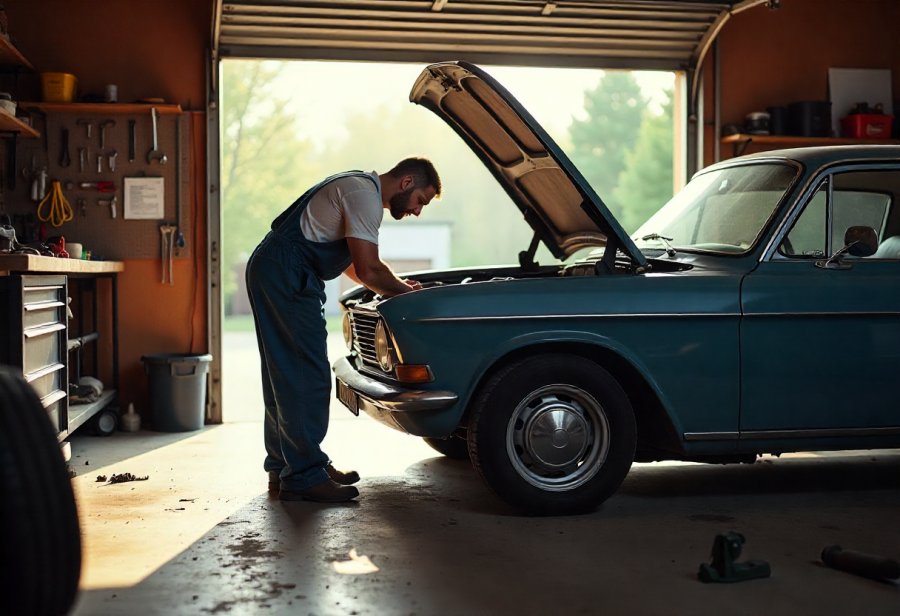
Practical Strategies to Master Restoration and Craftsmanship
Implementing restoration strategies in a garage begins with a clear plan. Start by thoroughly assessing the vehicle’s condition—spot rusted areas, worn parts, and mechanical issues. Breaking down the work into manageable steps helps keep projects organized and prevents feeling overwhelmed. For example, tackling rust first creates a solid foundation for bodywork and helps prevent future corrosion. A methodical approach keeps you focused, making sure no detail gets overlooked along the way.
Having the right tools at hand makes a significant difference. Abrasive blasters and wire brushes excel at removing rust, while precision welders handle body repairs. Using quality cleaning solutions like ultrasonic cleaners or chemical degreasers can make old grime and paint easier to remove without damaging delicate components. Investing in durable tools might seem costly initially, but they pay off by delivering better results and lasting longer, making your projects more efficient and professional-looking.
Patience and attention to detail are crucial. When rebuilding an engine, disassemble each part carefully, then clean and inspect thoroughly. Look for cracks, wear, or damage that could cause problems later. During reassembly, double-check torque specs and fitment to ensure safety and optimal performance. Rushing through these steps often leads to overlooked issues or improper fitting, which can compromise the reliability of the final build.
Modern tools have expanded what’s possible in a home garage. Ultrasonic cleaning systems, for instance, quickly and thoroughly clean small engine parts, removing grease and rust more effectively than traditional methods. Digital tuning devices allow for precise engine calibration that often exceeds manual adjustments. These advancements save time and help achieve professional-level results right at home, blending traditional craftsmanship with new technology.
Organization is the backbone of efficient restoration. Keep parts, tools, and supplies neatly sorted and labeled throughout each project. Using designated containers or trays for small components prevents loss and confusion. Document your progress with photos or notes—disassembly can be tricky to remember later. A tidy workspace minimizes mistakes, speeds up workflow, and allows you to focus on the craftsmanship rather than hunting for missing pieces.
Safety should never be an afterthought. Always wear protective gear—gloves, goggles, masks—especially when grinding or working with chemicals. Secure heavy components properly and ensure good workspace ventilation to avoid fumes. A safe environment not only prevents accidents but also fosters confidence, enabling you to work more effectively and enjoy the process without unnecessary risks.
By integrating these practical techniques into your routine, you turn restoration from a daunting task into a rewarding craft. Each project becomes an opportunity to refine your skills, learn new methods, and push your boundaries. With patience, the right tools, and a well-organized space, your garage transforms into a workshop of mastery—where every bolt tightened and every engine revived brings you closer to becoming a true backyard craftsman.
Expert Insights: Elevating Your Garage Restoration Skills
Many seasoned mechanics emphasize that mastering garage restoration isn’t about owning the most expensive tools or the newest gadgets; it’s about developing patience and honing your attention to detail. Starting small helps build confidence—getting comfortable with basic repairs before moving on to more complex projects lays a solid foundation. This approach minimizes costly mistakes and deepens your understanding of how parts work together, making each subsequent project smoother and more rewarding.
Rushing through disassembly or reassembly is a common pitfall that can lead to overlooked issues or improper fits. Experienced restorers advise taking your time—carefully documenting how parts come apart and go back together with photos or notes. This not only simplifies reassembly but also helps identify potential problems early. Recognizing subtle signs of wear, cracks, or corrosion can prevent bigger headaches down the line, turning small details into big savings.
Incorporating modern tools and techniques can significantly elevate your work. Ultrasonic cleaners, for example, are a game-changer for thoroughly cleaning small engine parts, removing grease and rust more efficiently than traditional methods. Digital tuning devices allow for precise engine calibration, often exceeding what manual adjustments can achieve. These innovations help produce professional-level results at home without the need for a full professional shop, but they work best when paired with solid foundational skills.
Patience and precision go hand in hand. Every project offers lessons—whether it’s a stubborn bolt or a tricky rust patch—that deepen your understanding. Watching tutorials, reading guides, and engaging with online communities can expand your skill set and spark new ideas. With each challenge, you refine your craft and turn your garage into a space of continuous learning, where mastery is built one project at a time.
Safety remains a non-negotiable aspect of any successful restoration effort. Wearing protective gear, securing heavy parts properly, and ensuring good ventilation are habits that keep accidents at bay. As projects become more ambitious, these precautions become even more critical. Developing safe routines not only protects you but also fosters confidence, allowing you to focus fully on your work and enjoy the process.
A balance of traditional craftsmanship and new technology creates the best results. While old-school skills like welding and mechanical tuning are vital, embracing innovations such as ultrasonic cleaning or digital diagnostics can push your projects to new heights. The key is to see these tools as complements, enhancing your expertise rather than replacing it. This blend of skills and tech keeps your work efficient, precise, and deeply satisfying.
Ultimately, mastery in garage restoration isn’t a destination but a journey. Each project teaches something new—about technique, patience, or innovation—that pushes your skills forward. The most accomplished hobbyists view setbacks as opportunities to learn, not failures. By staying curious, committed, and safety-conscious, you’ll develop a craft that’s as rewarding as it is enduring, turning your garage into a true workshop of mastery.
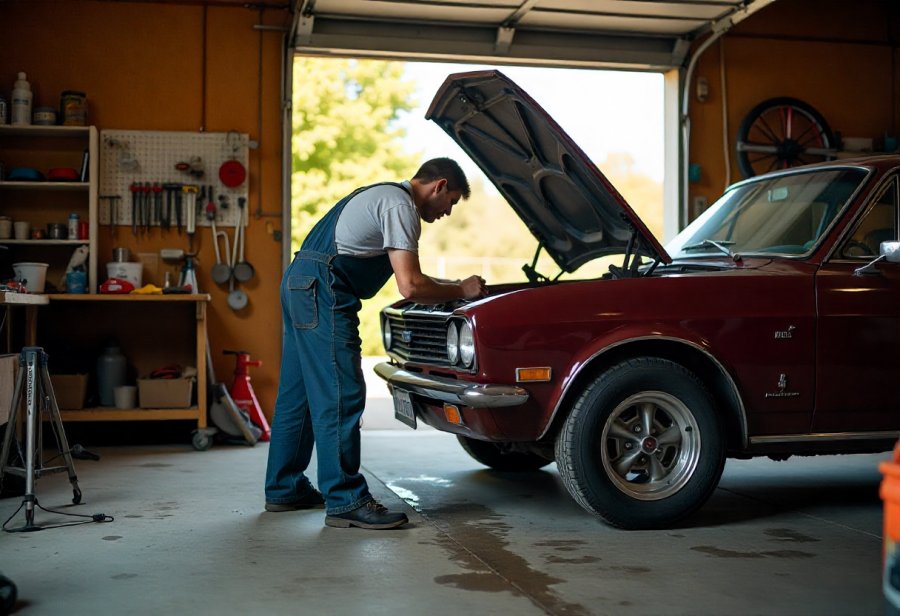
Embracing Continuous Growth and the Future of Mechanical Revival
The journey into the secrets of the backyard mechanic’s garage doesn’t end with mastering tools or techniques. It’s an ongoing adventure fueled by curiosity and a desire to learn. As new technologies emerge—like digital tuning, ultrasonic cleaning, or even 3D printing—they open fresh avenues to elevate your craft. These innovations complement your foundational skills, making restoration more precise and enjoyable without replacing the core craftsmanship you’ve built.
Building on what you already know, the best mechanics continually push boundaries and explore new methods. Every project offers lessons—whether it’s perfecting rust removal or fine-tuning an engine—that deepen your expertise. By staying active in online communities, watching tutorials, and trying out different approaches, you turn your garage into a space of constant growth. Each challenge becomes a stepping stone toward mastery, transforming your passion into a lifelong pursuit.
The love for restoration is rooted in patience and attention to detail. Seeing a vintage car or a neglected engine breathe new life is a reward that keeps the fire burning. Over time, your skills evolve as you refine your techniques, troubleshoot more complex problems, and develop your own style. Your garage becomes more than just a workspace; it’s a sanctuary of innovation and pride, where every project leaves a mark of your dedication and craftsmanship.
Looking ahead, maintaining a sense of curiosity is crucial. Whether you’re finishing your first restoration or your hundredth, each project offers something new to learn. Sharing your successes and setbacks with fellow enthusiasts not only sparks inspiration but also builds a community that keeps the craft alive. This exchange of ideas ensures that the tradition of mechanical revival continues to thrive, passing from one passionate hand to another.
Safety remains a key part of this ongoing journey. As your projects grow more ambitious, investing in proper protective gear and keeping your workspace organized becomes even more important. Good habits—like ventilating fumes, securing heavy parts, and maintaining a clean environment—protect you and ensure consistent quality. When safety becomes second nature, it boosts your confidence, letting you focus fully on the craft you love.
Every engine you rebuild, every vintage vehicle you restore, adds to a personal legacy of craftsmanship. Your garage isn’t just a place to fix cars; it’s a space where patience, passion, and skill combine to create something lasting. As you look to the future, trust that your dedication will continue to push you forward. This ongoing journey transforms your backyard sanctuary into a testament to your love for machines and the timeless joy of bringing the past back to life.