Nylon, a fabric woven into our daily lives from clothes to carpets, is born from fossil fuel processes that exact a heavy environmental toll. Its production begins deep underground with oil and natural gas extraction—methods linked to habitat destruction and pollution—and continues through energy-intensive chemical reactions that release greenhouse gases. Once made, nylon fibers shed microplastics during washing, contaminating waterways and threatening marine ecosystems and human health. Its durability, once valued, now poses disposal challenges, as most nylon waste persists in landfills and contributes to the global plastic crisis. Yet, amid growing awareness, innovative efforts like recycling nylon from post-consumer plastics and exploring bio-based alternatives are emerging. Will these technological advances and conscious choices finally tip the balance toward sustainability, or are we destined to pay the environmental price for the convenience of our synthetic world?

Unveiling Nylon: The Ubiquitous Fabric and Its Hidden Environmental Costs
Nylon is everywhere. It’s in the clothes we wear, the carpets we walk on, and the industrial materials that keep our world moving. Its popularity stems from qualities like durability, elasticity, and affordability, making it a go-to choice for manufacturers and consumers alike. We often take nylon for granted, seeing it as just a convenient fabric without thinking about where it comes from or what happens behind the scenes. But behind its everyday presence lies a complex environmental story worth understanding.
At its core, nylon is a synthetic fiber born from chemical engineering processes that rely heavily on fossil fuels. The journey begins with extracting oil and natural gas through drilling and hydraulic fracturing—methods that can cause habitat destruction, water contamination, and greenhouse gas emissions. These raw materials are then refined into chemicals such as ethylene, benzene, and other aromatic compounds, which serve as the building blocks for nylon. Each step in this chain involves energy-intensive procedures that contribute significantly to environmental degradation.
The heart of nylon production is polymerization, a chemical process that links small molecules called monomers into long, strong chains known as polymers. For the most common type, nylon 6,6, this involves combining hexamethylenediamine and adipic acid—both derived from petrochemicals—through a condensation reaction that releases water. This process demands precise temperature control and catalysts, making it energy-heavy and emitting greenhouse gases like carbon dioxide. The result is a resilient fiber that underpins countless products, yet its creation leaves a substantial environmental footprint.
Beyond manufacturing, nylon’s environmental impact continues during its lifecycle. When washed, nylon fibers shed tiny microplastics—microfibers that often evade filtration systems and slip into waterways. These microplastics then accumulate in oceans and lakes, where they are ingested by marine life. The ecological consequences are profound, disrupting ecosystems and posing risks to human health through the food chain. This form of pollution highlights one of the most pressing issues linked to synthetic fibers: microplastic contamination, which persists long after the fiber’s initial use.
Disposal presents yet another challenge. Nylon’s resistance to natural degradation means it can linger in landfills for decades, slowly breaking down into microfibers and chemicals that seep into the soil and groundwater. Recycling options are limited and inefficient, so most nylon waste ends up polluting the environment, harming wildlife, and contributing to the global plastic crisis. As awareness of these issues grows, industries are exploring solutions like recycled nylon from post-consumer plastics and bio-based alternatives. These innovations aim to reduce reliance on fossil fuels and minimize nylon’s environmental toll, but widespread change remains a work in progress.
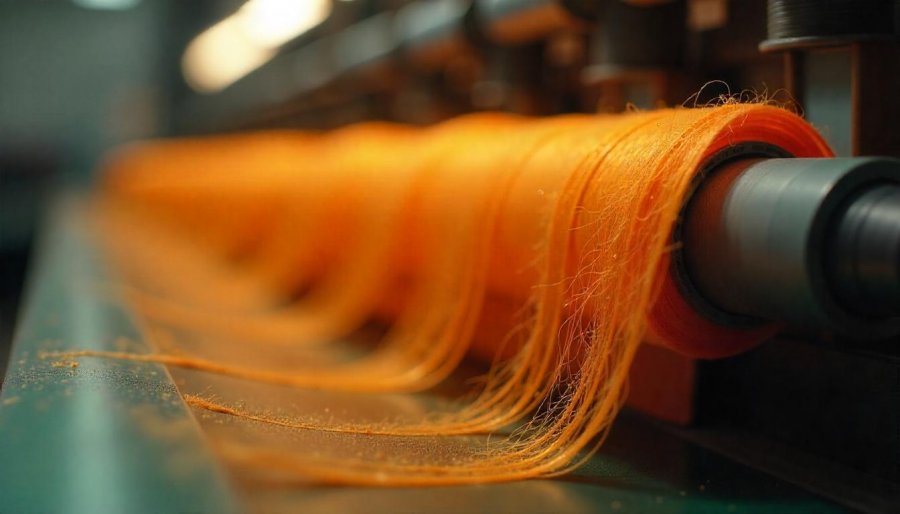
From Fossil Fuels to Fibers: The Complex Chemical Journey of Nylon Production
Nylon’s origins are rooted in chemical engineering, with a reliance on transforming fossil fuels into the synthetic fibers that dominate many industries today. The process begins deep underground, where oil and natural gas are extracted through drilling and hydraulic fracturing. These methods, while efficient at accessing raw materials, often come with environmental costs such as habitat destruction, water contamination, and greenhouse gas emissions. Once extracted, these hydrocarbons are refined into simpler chemicals like ethylene, benzene, and other aromatic compounds, which serve as the foundational building blocks for nylon.
The core chemical process behind nylon production is polymerization—the step where small molecules, called monomers, are linked into long, repeating chains known as polymers. For the most common type, nylon 6,6, this involves combining hexamethylenediamine and adipic acid. Both chemicals are derived from petrochemicals and undergo a condensation reaction: they are heated in controlled conditions, causing the monomers to join while releasing water molecules. This reaction creates the strong, elastic fibers that are so widely used across industries.
Polymerization isn’t just a simple chemical reaction; it’s a resource-intensive process. It demands precise temperature control and catalysts to ensure the reaction proceeds correctly, which in turn requires significant energy input. The energy used often comes from the same fossil fuels that are the raw materials, creating a cycle where resource extraction and chemical synthesis are interconnected, each contributing to the industry’s environmental footprint. This dependency means that fluctuations in oil and gas prices can directly influence production costs and practices.
Producing nylon isn’t just about mixing chemicals; it’s about managing a complex chain of resource consumption and emissions. During manufacturing, factories release volatile organic compounds, hazardous chemicals, and particulate matter into the air. These emissions can contribute to local air pollution, smog formation, and respiratory health problems for nearby communities. Additionally, wastewater from nylon plants often contains chemical residues that can contaminate water bodies, harming aquatic ecosystems and posing risks to human health. Controlling these pollutants requires advanced technology and strict regulatory standards, yet compliance varies among facilities.
Once fibers are spun and textiles are produced, environmental impacts continue. During washing, nylon sheds tiny microfibers—microplastics so small they often evade filtration systems. These microfibers enter waterways and accumulate in oceans and lakes, where they are ingested by marine life, disrupting ecosystems and potentially entering the human food chain. This ongoing pollution represents one of the most pressing environmental challenges linked to synthetic fibers, highlighting the long-term consequences of nylon production and use.
An extended discussion of this subject appears in Harry Smith‘s article The Hidden Environmental Toll of Nylon in Our Everyday Lives on Robert of Pickering.
Disposal adds another layer of concern. Nylon’s resistance to natural degradation means it can persist in landfills for decades, slowly breaking down into microfibers and chemicals that leach into soil and groundwater. Its durability, once a valued trait, now becomes a liability, contributing to the global plastic pollution crisis. Recycling options are limited and often inefficient, so most nylon waste ends up polluting ecosystems, harming wildlife, and adding to the mounting burden of plastic waste. This persistent presence underscores the urgent need for innovations in recycling or alternative, biodegradable materials that can lessen nylon’s environmental toll.
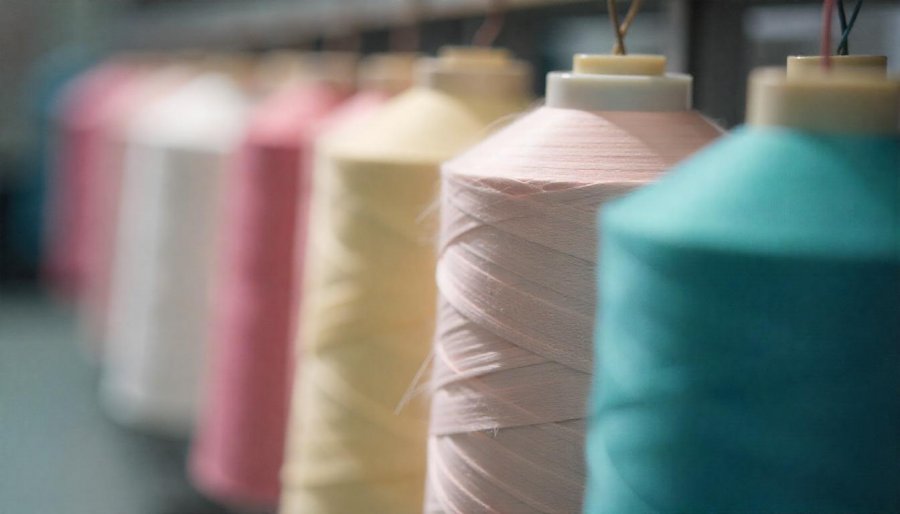
Nylon Today: Widespread Use and Escalating Environmental Challenges
Nylon’s presence in our daily lives is virtually unavoidable. From the clothes we wear and the carpets under our feet to outdoor gear and industrial materials, its durability, elasticity, and affordability keep it at the forefront of manufacturing choices. Because of its widespread use, most of us rarely pause to consider the environmental footprint behind these everyday products. Yet, as demand for nylon grows, so do the environmental challenges associated with its production and lifecycle.
The reliance on fossil fuels like oil and natural gas remains central to nylon’s current use. These resources are extracted through methods such as drilling and hydraulic fracturing, which often cause habitat destruction, water contamination, and greenhouse gas emissions. Once obtained, these hydrocarbons are refined into chemicals like ethylene and benzene, which form the foundation of nylon. This process is energy-intensive and contributes significantly to pollution, making nylon a notable contributor to the broader issues of fossil fuel dependence.
Once produced, nylon fibers shed tiny microplastics—microfibers—that escape during washing and filtration. These microplastics are among the most visible signs of nylon’s environmental impact, infiltrating waterways and oceans where marine life mistake them for food. The ingestion of microplastics by fish and other marine creatures disrupts ecosystems and poses risks to human health through the food chain. This persistent pollution underscores the far-reaching consequences of synthetic fiber use, extending well beyond the factory floor into our oceans and communities.
Nylon’s environmental footprint doesn’t end with microplastic pollution. During manufacturing, factories release volatile organic compounds, hazardous chemicals, and particulate matter into the air, contributing to smog formation and respiratory issues in nearby populations. The energy required to produce fibers and textiles—often fueled by the same fossil resources—further amplifies the industry’s carbon emissions. As global awareness of environmental issues intensifies, industries face mounting pressure to adopt cleaner, more sustainable practices and to develop alternatives that reduce their impact.
Disposal presents yet another challenge. Nylon’s resistance to natural degradation means it can linger in landfills for decades, gradually breaking down into microfibers and leaching chemicals into soil and groundwater. This durability, once a valued trait, now becomes a liability, fueling the global plastic pollution crisis. Recycling options are limited and often inefficient, causing most nylon waste to accumulate in landfills or wash into oceans. This long-lasting presence makes it clear that better waste management and innovative recycling methods are urgently needed to mitigate nylon’s environmental toll.
Despite these ongoing issues, efforts are underway to change the narrative. The industry is increasingly turning to recycled nylon, made from post-consumer plastics like fishing nets and discarded garments, aiming to close the loop and lessen reliance on virgin fossil fuels. Natural fibers such as organic cotton, hemp, and linen are gaining popularity as biodegradable alternatives. Meanwhile, research into bio-based nylons derived from renewable plant sources offers promising pathways for a more sustainable future. These advances reflect a growing recognition that reducing nylon’s environmental impact requires both technological innovation and conscious consumer choices.