Are winter tires truly the safety game-changer they’re touted to be, or just an expensive seasonal upgrade? As icy roads and snowstorms threaten driving stability, the right tires can mean the difference between control and catastrophe. Modern winter tires boast advanced rubber compounds that stay flexible in freezing temperatures, paired with deeper treads and innovative siping that channel snow, slush, and water away—reducing hydroplaning and enhancing grip. Recent technological breakthroughs significantly shorten stopping distances and improve handling on icy surfaces, but are these improvements worth the investment? This detailed exploration delves into the science behind winter tire design, their proven effectiveness in real-world conditions, and crucial safety tips. It invites drivers to consider whether these specialized tires are essential safeguards for winter driving—or an unnecessary expense. The answer could transform your approach to cold-weather travel, turning treacherous roads into manageable journeys.

Winter Tire Safety: Your Essential Guide to Staying Safe on Icy Roads
Winter tire safety often doesn’t get the attention it deserves until icy roads and snowstorms arrive. Many drivers stick with their regular tires until they encounter trouble, only to realize too late that their tires aren’t built for winter conditions. Cold weather transforms familiar roads into slick, unpredictable surfaces where traction is everything. Without the right tires, even the most experienced drivers can find themselves slipping or losing control just when it matters most.
That’s where properly chosen winter tires come into play. Designed specifically for low temperatures and icy terrains, they offer a critical safety edge during winter months. Unlike all-season tires, which can harden and lose grip when the temperature drops below freezing, winter tires stay softer and more flexible. This keeps their contact with icy surfaces more effective, reducing the risk of slips and skids. Essentially, they turn potentially hazardous roads into manageable ones, giving drivers greater confidence behind the wheel.
The key to their performance lies in their design features. Deeper treads and more aggressive patterns help channel snow, slush, and water away from the contact patch, lowering hydroplaning risks. Tiny slits called siping increase the number of biting edges that grip icy surfaces, enhancing control. When these elements work together, they significantly shorten stopping distances and improve steering responsiveness—crucial factors for winter safety.
Understanding the importance of these features helps explain why winter tires are more than just a seasonal upgrade—they’re a safety essential in cold climates. In regions where winter storms are common, the difference in traction and stopping power can be life-saving. Research consistently shows that vehicles equipped with winter tires stop faster and handle more predictably on icy roads than those with all-season or summer tires. This isn’t just theory; real-world testing confirms the tangible safety benefits of investing in quality winter tires.
While some may question whether the expense is justified, the safety, peace of mind, and potential cost savings from avoiding accidents make winter tires a smart choice. With proper maintenance, they can last multiple seasons, providing ongoing protection. Ultimately, they form a vital part of a responsible winter driving strategy—prioritizing safety over convenience. Recognizing how crucial the right tires are can turn winter driving from a stressful experience into a safer, more confident journey.
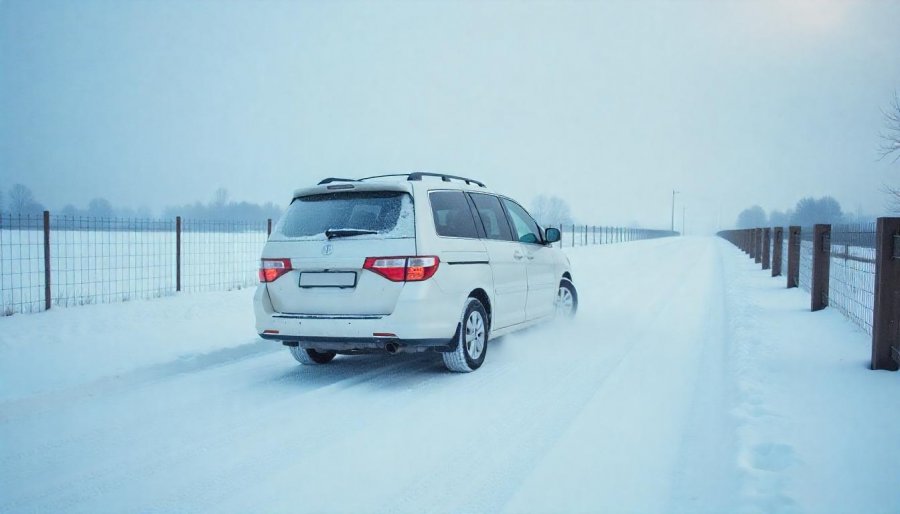
Core Principles of Winter Tire Performance You Need to Know
Winter tire performance hinges on a few core principles that make them so effective in cold and icy conditions. The most critical is the rubber compound. Unlike regular tires, winter tires are made from softer, more pliable rubber that remains flexible even when temperatures plunge well below freezing. This flexibility allows the tire to mold better to icy and snowy surfaces, providing enhanced grip and reducing slips. When rubber hardens in the cold, contact with the road diminishes, so maintaining softness is essential for traction.
Alongside the rubber, the tread pattern plays a vital role. Winter tires feature deeper, more aggressive treads compared to all-season tires. These deeper grooves help channel snow, slush, and water away from the contact patch, lowering hydroplaning risks. Tiny slits called siping are cut into the rubber, increasing the number of biting edges that grip icy surfaces. This combination of deep treads and siping enables winter tires to cut through snow and ice more effectively, giving drivers greater control and confidence behind the wheel.
Design innovations continue to evolve, driven by a better understanding of low-temperature performance. Modern winter tires often incorporate silica and other specialized materials into their rubber compounds. These materials help maintain the tire’s softness and pliability even at very low temperatures, ensuring they stay effective in the coldest conditions. The ability to conform to uneven, icy surfaces means more predictable handling and shorter braking distances, which are crucial for winter safety.
Scientific testing supports these design principles. Laboratory tests measure how rubber compounds behave at low temperatures and how well they grip icy surfaces. Field trials on snow and ice show that deeper treads and increased siping significantly enhance traction, often reducing stopping distances compared to all-season tires. These real-world results affirm that the core concepts behind winter tire design are not just theoretical—they translate into meaningful safety benefits on the road.
Overall, winter tires succeed because of their tailored construction—softer rubber that stays flexible, aggressive tread patterns, and innovative materials. These elements work together to improve grip, control, and safety during the coldest months. Understanding these principles helps drivers appreciate why investing in quality winter tires can make a real difference in winter driving conditions. Instead of just a seasonal upgrade, they become a vital tool for safer, more confident driving when roads turn icy and treacherous.
How Modern Winter Tires Are Advancing Safety and Effectiveness
Recent advancements in winter tire technology have significantly improved their effectiveness in cold and icy conditions. Modern winter tires now feature rubber compounds that stay flexible at extremely low temperatures, which helps maintain superior grip on snow and ice. This flexibility allows the tire to better mold to the road surface, reducing slips and skids, and enabling more confident handling in winter driving scenarios. Field tests consistently show that these newer tires outperform older models, providing shorter braking distances and improved control on icy surfaces.
Tread design has seen notable innovations as well. Today’s winter tires boast deeper, more intricate patterns with increased siping—those tiny slits in the tread that create additional biting edges. These design elements help disperse snow, slush, and water more effectively, lowering the risk of hydroplaning and enhancing traction. Studies reveal that vehicles equipped with advanced winter tires can come to a stop several meters sooner than those using all-season options, especially on icy patches. This difference can be the critical margin needed to avoid accidents in emergency braking situations.
Materials science plays a crucial role in boosting tire performance. Many brands incorporate silica and other specialized compounds into their rubber mixes, which help maintain softness and pliability even in sub-zero temperatures. This ensures the tire’s contact patch remains optimal, providing better grip and more predictable handling on icy roads. These material innovations extend the lifespan of winter tires and make them more reliable across a range of winter conditions, from light snow to thick ice.
Laboratory testing and real-world trials reinforce these technological improvements. Controlled braking tests on icy tracks consistently show that vehicles fitted with modern winter tires stop faster than those with older or all-season tires. Drivers report noticeably improved steering response and less skidding on slick roads, even on steep inclines or heavily iced surfaces. These results underscore that ongoing research and development are translating directly into safer winter driving experiences, making the investment in newer models well worth it.
Manufacturers continue to refine winter tire designs, experimenting with flexible sidewalls, optimized tread geometries, and innovative water evacuation channels. These enhancements aim to further reduce hydroplaning risks and improve overall handling in unpredictable weather. As climate patterns grow more erratic, these technological advances will become increasingly vital. Choosing the latest winter tires ensures drivers aren’t just reacting to winter’s challenges but proactively enhancing safety and control, no matter how severe the conditions.

Key Safety Points for Winter Driving: Grip, Control, and Cost-Efficiency
Winter tire safety centers on their ability to deliver reliable grip on icy and snow-covered roads. The key to this performance lies in their specialized rubber compounds, which remain soft and pliable even in freezing temperatures. This flexibility allows the tires to mold effectively to icy surfaces, enhancing traction and minimizing slips. Deep tread patterns paired with siping—tiny cuts in the tread—are crucial features that help channel snow, slush, and water away from the contact patch. These design elements work in concert to reduce hydroplaning risks and provide drivers with better control, making winter driving safer and more predictable.
Maintaining vehicle control during winter depends heavily on the performance of your tires. When winter tires grip the road reliably, steering feels more responsive, and braking becomes more effective. This improved traction helps prevent skids and spinouts, especially on icy patches or steep inclines. Regularly checking tire pressure and tread depth is essential, as cold weather can cause pressure drops and accelerate tire wear. Properly inflated, well-maintained tires ensure your vehicle responds as expected, even in the most challenging winter conditions, giving you peace of mind on treacherous roads.
Practical safety tips complement the benefits of winter tires. Reducing your speed on icy or snow-covered roads extends your reaction time and shortens stopping distances. Increasing following distances provides extra space to stop safely if necessary. Gentle acceleration and smooth braking help prevent skidding, while cautious steering minimizes loss of control. Being aware of weather conditions and adjusting your driving habits accordingly can significantly improve safety. When combined with the traction advantages of winter tires, these habits create a safer winter driving environment, helping you stay in control even on the slipperiest surfaces.
Cost considerations often come into focus when discussing winter tires, but their safety benefits outweigh initial expenses. While they do require an upfront investment, the ability to improve grip and reduce braking distances can prevent costly accidents and repairs. Proper maintenance, such as storing tires correctly during off-season months, extends their lifespan and maintains their effectiveness. When you weigh the potential savings from avoiding collisions or insurance claims against the cost of new tires, the value becomes clear. Investing in quality winter tires is a practical move for anyone facing severe winter conditions, providing ongoing safety and peace of mind.
Beyond individual driving habits and tire features, understanding how winter tires enhance overall vehicle control influences your approach to winter safety. They provide a stable foundation for navigating icy roads, helping you maintain steering response and balance when conditions are most unpredictable. This control isn’t just about comfort—it’s about actively reducing the risk of accidents. Knowing your tires are engineered for winter’s challenges encourages more confident driving, making winter journeys less stressful and more secure. Recognizing these focus points—icy road grip, vehicle control, safety tips, and cost-effectiveness—reinforces that winter tires are more than a seasonal accessory; they’re a vital safety upgrade that can make all the difference during the coldest months.