Discover the astonishing mind of Alexander the Great, whose relentless ambition and innovative strategies transformed him from a young Macedonian prince into an unparalleled conqueror who reshaped the ancient world. How did his unique blend of military genius, cultural curiosity, and bold leadership forge an empire that bridged East and West? This narrative delves into his mastery of battlefield tactics, psychological warfare, and strategic city-building, revealing how his legacy endures in modern military and leadership doctrines. More than a conqueror, Alexander was a visionary who believed in unifying diverse civilizations through cultural synthesis and interconnectedness. Yet, beneath the grandeur lies a question: can such relentless ambition and strategic ingenuity inspire contemporary leaders to forge lasting change? This compelling exploration invites you to reflect on the lessons of resilience, innovation, and the enduring power of daring visionaries who challenge the limits of possibility.
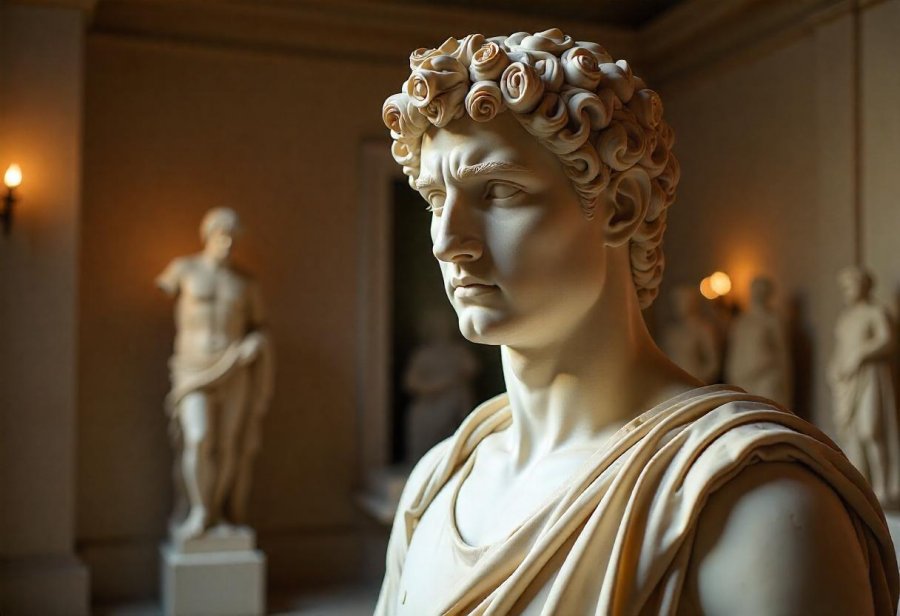
Alexander the Great: From Macedon to Global Legend
Alexander the Great emerges as one of history’s most compelling figures, not merely for the vast territories he conquered but for the innovative strategies and leadership qualities that underpinned his extraordinary rise. His story begins in the fertile landscape of Macedon, a small yet strategically vital kingdom situated on the northern fringes of Greece. Born in 356 BCE, Alexander was the son of King Philip II, a formidable military reformer and statesman who had begun unifying the fragmented Greek city-states under Macedonian hegemony. This environment of political ambition and military innovation provided Alexander with an early education in both statecraft and warfare, laying the foundation for his future exploits. His youth was shaped by a combination of royal privilege and rigorous training, cultivating qualities of decisiveness, charisma, and strategic insight—traits that would define his leadership style from the outset.
From a young age, Alexander’s education played a pivotal role in shaping his worldview. His tutor, Aristotle, imparted more than classical knowledge; he fostered a curiosity about different cultures, philosophies, and sciences. This intellectual grounding planted the seeds for Alexander’s later fascination with cultural synthesis and empire-building as a means not just of conquest but of integration. Such a combination of philosophical curiosity and pragmatic military training was somewhat unusual among ancient rulers, giving Alexander a nuanced perspective that transcended mere territorial expansion. His upbringing prepared him to see himself as a unifier of civilizations—an idea that would inform much of his strategic thinking and ambition. It was this blend of learning and leadership that made him not just a conqueror but a visionary determined to reshape the world.
Qualities that set Alexander apart from his peers began to manifest early. His natural leadership—marked by confidence, decisiveness, and an innate ability to inspire loyalty—was evident even before he officially ascended the throne. Historical accounts highlight his talent for rallying troops and maintaining morale amid adversity. These traits proved crucial during his campaigns, where he often faced numerically superior enemies and unfamiliar terrains. His father’s military campaigns served as both blueprint and training ground, offering Alexander a firsthand view of complex strategic operations. This early immersion in leadership, combined with Aristotle’s teachings, fostered a style rooted in adaptability, cultural sensitivity, and boldness—traits that would become hallmarks of his legendary military career.
Alexander’s ambitions extended far beyond personal glory; they were driven by a sense of divine destiny and a desire to forge a new, transcultural empire. His relentless pursuit of expansion was motivated by the conviction that he was destined to unite East and West, creating a unified cultural and political world order. This vision was not rooted in hubris alone but also in the geopolitical realities of the time. Macedon, while powerful, was still relatively small compared to the sprawling Persian Empire and other emerging powers. Conquest thus became both a means of consolidating power and a way to realize a broader, more ambitious ideal—one that sought to redefine what empire could be. For Alexander, empire was not merely about territorial dominance but about fostering cultural bridges and reshaping perceptions of unity.
The journey to empire was fraught with challenges, and Alexander’s rise was far from guaranteed. The sudden death of his father in 336 BCE plunged Macedon into uncertainty, yet Alexander swiftly consolidated power through strategic diplomacy and military prowess. His campaigns across Persia and into Central Asia were characterized by daring maneuvers, innovative tactics, and an unyielding drive that transformed the young prince into a legendary conqueror. These achievements did not happen overnight; they were the result of a deliberate combination of personal ambition, tactical brilliance, and an acute understanding of the shifting political landscape. As we explore his strategies and legacy, it becomes clear that Alexander’s story is one of continuous evolution—an intricate play of opportunity, innovation, and relentless ambition that reshaped the ancient world and continues to influence notions of leadership and empire today.
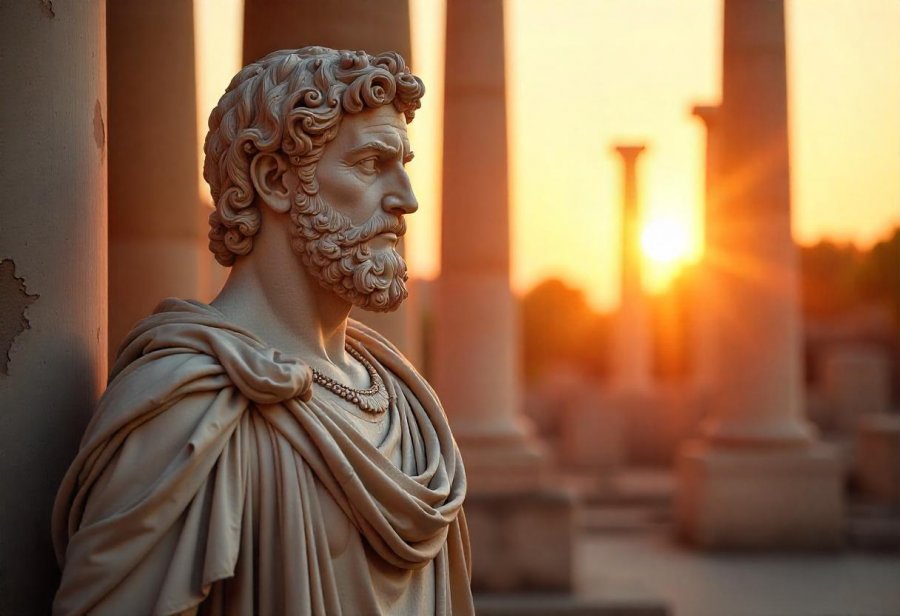
Mastering Warfare: Alexander’s Innovative Strategies and Battle Tactics
Alexander the Great’s military genius was rooted in a remarkable capacity for innovation, blending traditional Macedonian tactics with creative adaptations tailored to the unique demands of each campaign. His mastery of battlefield strategy was evident in his effective use of the phalanx, which he enhanced by integrating highly mobile cavalry units capable of exploiting gaps and outflanking enemy formations. Unlike many of his contemporaries, who relied heavily on brute force or rigid formations, Alexander understood that flexibility and psychological impact often determined the outcome of a battle. His ability to read terrain and identify enemy weaknesses—such as at Gaugamela—allowed him to execute maneuvers that turned the tide even when outnumbered. This tactical versatility was no accident; it was a deliberate reflection of his strategic mindset, which prioritized adaptability over dogmatism.
Beyond battlefield tactics, Alexander’s empire-building strategies centered on rapid, coordinated campaigns that maintained relentless momentum and kept opponents off balance. He grasped that swift action could seize the initiative and prevent enemies from regrouping or counterattacking. To this end, he meticulously planned marches, secured supply routes, and timed his movements to maximize surprise and efficiency. His founding of cities—most famously Alexandria—served a dual purpose: establishing administrative centers and spreading Greek culture. These urban hubs became outposts of control and symbols of Hellenistic influence, fostering cultural integration and economic stability within newly conquered territories. Strategically, Alexander aimed to weave a network of well-placed cities that acted as both military garrisons and cultural bridges, ensuring long-term stability amid conquest.
Alexander’s legendary conquest tactics often involved psychological warfare that kept enemies guessing and demoralized. His daring crossing of the Hellespont to initiate the Persian campaign exemplifies his willingness to take risks that others might avoid. Once engaged in battle, he employed feints, intimidation, and relentless pursuit to undermine enemy morale. His troops responded to his boldness, inspired by his reputation for daring maneuvers, which created a psychological edge that often unsettled larger or more entrenched foes. Victory was rarely achieved through brute force alone; instead, it emerged from a calculated combination of boldness, timing, and a nuanced understanding of human psychology. This approach transformed combat from a straightforward physical contest into a strategic game of wits, where confidence and surprise could decisively influence the outcome.
At the core of Alexander’s success was an exceptional capacity for strategic foresight and calculated risk-taking. His crossing of the Hellespont was not merely a bold gamble but a meticulously considered move that set the stage for the Persian invasion. His decisions often balanced daring with detailed planning—embracing uncertainty while maintaining control of the bigger picture. Leveraging terrain to his advantage, he chose battlegrounds that favored his forces’ strengths and exploited natural features to outmaneuver opponents. His leadership was characterized by a fusion of daring and careful preparation—seeing opportunities in obstacles and transforming potential setbacks into strategic advantages. This blend of vision and audacity elevated him from a conventional military leader to a legendary strategist whose innovations continue to influence warfare theory.
The enduring relevance of Alexander’s military principles lies in his relentless pursuit of innovation and his ability to adapt under pressure. Modern military strategists frequently study his campaigns, recognizing that his success was rooted in a flexible mindset that refused to be constrained by convention. His emphasis on speed, surprise, and psychological warfare prefigured many 20th and 21st-century doctrines, where rapid maneuvering and information dominance are critical. Moreover, his leadership style—leading from the front, sharing hardships, and inspiring loyalty—set a standard for motivating followers across cultures and ages. His capacity to motivate through personal example and shared purpose created a cohesion that often transcended linguistic and cultural barriers, demonstrating that influence in warfare extends far beyond tactics alone. Alexander’s strategic innovation and leadership resilience remain a blueprint for those seeking to lead decisively and adaptively in any complex environment.
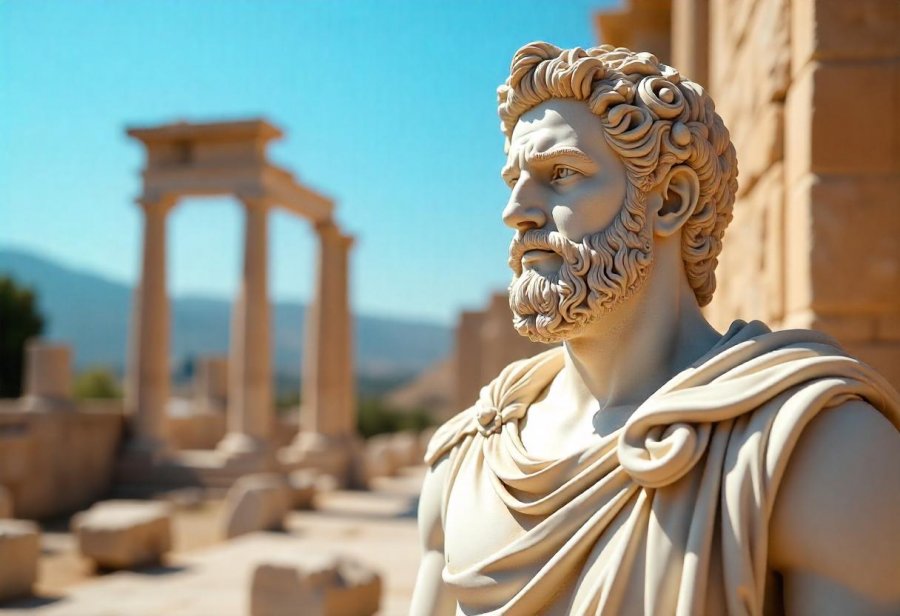
Enduring Legacy: How Alexander Continues to Inspire Modern Leadership
Alexander the Great’s strategic ingenuity has left an enduring legacy that continues to shape both military doctrine and leadership philosophy centuries after his death. His emphasis on rapid, decisive action—what contemporary military thinkers might call operational agility—demonstrates how swift, well-coordinated moves can seize the initiative and sustain momentum against seemingly insurmountable odds. Modern armies and organizations study his campaigns to understand the importance of adaptability in unpredictable environments. Whether maneuvering through complex terrains or countering unforeseen tactics, Alexander’s emphasis on flexibility remains central to effective strategy, illustrating that the ability to pivot quickly can be the difference between victory and stagnation.
The infrastructure he established—founding cities like Alexandria—serves as more than mere military outposts; they are symbols of cultural integration and tools of governance. These urban centers became melting pots of ideas, commerce, and tradition, laying the groundwork for a lasting influence that extended beyond territorial conquest. Leaders today recognize that sustainable expansion requires more than military dominance; it demands creating environments where diverse communities can coexist and flourish. Alexander’s example teaches that strategic infrastructure and cultural bridges foster long-term stability, ensuring that influence endures well beyond the initial conquest.
Alexander’s mastery of psychological warfare remains remarkably relevant in today’s context. His daring crossing of the Hellespont was not only a tactical gambit but a psychological masterstroke that demoralized Persian forces before a single shot was fired. Once engaged in battle, he employed feints, intimidation, and relentless pursuit to undermine enemy morale, turning the battlefield into a psychological chess match. His ability to influence perceptions, manage morale, and inspire confidence demonstrates that control over the human element—belief, fear, and loyalty—can be just as vital as controlling terrain. This insight persists across modern military and organizational leadership, where influencing perceptions often determines the outcome more than physical force alone.
The core of Alexander’s lasting influence lies in his exceptional capacity to motivate through personal example. Leading from the front, sharing hardships, and demonstrating unwavering resolve, he forged a bond of loyalty that transcended cultural and linguistic boundaries. This authentic, charismatic leadership remains a benchmark for inspiring followers in any domain—military, political, or corporate. His approach underscores that leadership rooted in integrity, shared sacrifice, and a compelling vision creates emotional bonds capable of galvanizing collective effort even in the face of extreme adversity. This lesson in motivational leadership endures because it taps into a fundamental human inclination towards loyalty and purpose.
Finally, Alexander’s relentless pursuit of greatness, driven by a vision of cultural synthesis and interconnectedness, continues to inspire modern notions of globalization and intercultural dialogue. His campaigns exemplify that leadership involves not only conquering territories but also fostering connections that transcend borders. His belief in integrating diverse traditions and creating shared identities foreshadowed contemporary efforts to bridge differences and promote cooperation across cultures. The resilience, innovation, and boldness he displayed serve as a blueprint for contemporary leaders striving to effect meaningful change in complex, interconnected worlds. Alexander’s legacy reminds us that visionary ambition paired with strategic flexibility can forge a lasting impact—one that reshapes perceptions and sets new standards for what is possible.