Learning to ride a bike is more than just mastering balance—it’s a profound journey of courage, resilience, and family bonds. This milestone transforms nervous wobbling and falls into powerful lessons of persistence and self-trust. As children face the fear of falling, they discover that setbacks are not failures but stepping stones toward independence. Supportive family moments turn each wobble into a shared triumph, reinforcing emotional growth alongside physical skill. But does the fear of falling outweigh the thrill of independence? This compelling contrast invites readers to reflect on how overcoming fears fosters lifelong confidence. From choosing the right gear and safe environments to expert insights on nurturing resilience, this narrative reveals that every fall is an essential part of growth. Ultimately, it asks us: could embracing failure be the real path to fearless growth—on and off the bike?
The Milestone of Courage, Independence, and Family Bonds
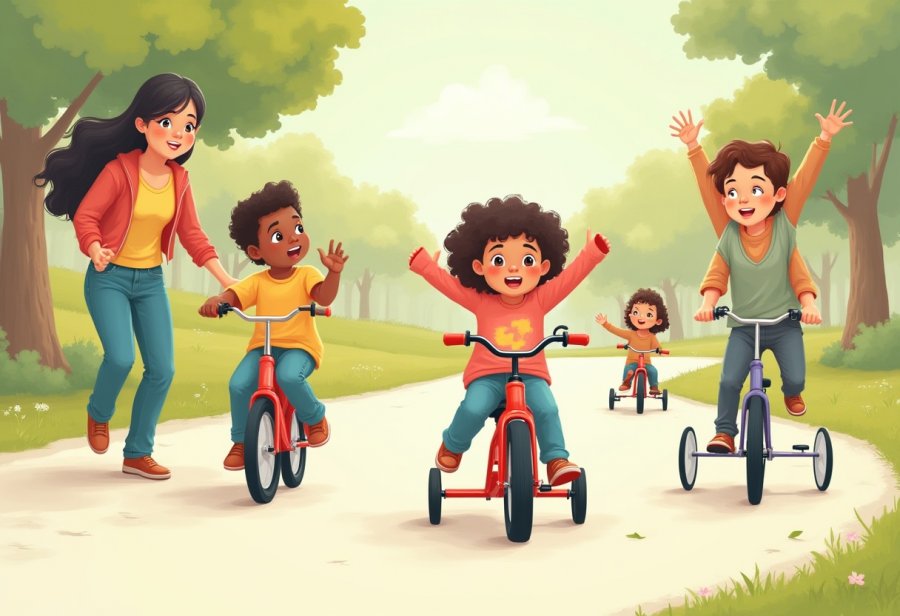
Learning to ride a bike isn’t just about balancing on two wheels; it’s a milestone that captures the essence of courage, independence, and family connection. For children, this moment often marks their first true taste of stepping out on their own, feeling the wind on their face as they pedal away from their parents’ watchful eyes. It’s a rite of passage that transforms a simple skill into a powerful symbol of growth and self-reliance.
The journey begins with shaky starts—wobbles, falls, and moments of frustration. Yet, each of these bumps along the way underscores how much courage it takes to try something new. When kids push past their fears, even with trembling legs and hesitant steps, they start to realize that falling isn’t the end, but a part of learning. Those small victories—staying upright a few seconds longer or pedaling unaided—become markers of progress and confidence.
Family plays a vital role in this process. Supportive parents and siblings stand by, offering steadying hands, encouraging words, and shared laughter during slips and falls. These moments of collective effort turn a technical skill into a treasured memory—one that strengthens bonds and builds trust. Watching a child take their first independent ride, arms raised in triumph, is a shared celebration of perseverance and love.
Learning to ride also embodies emotional growth. It’s a journey through nervousness, excitement, and pride—emotions that teach children resilience. Facing the fear of falling head-on helps them develop patience and persistence, qualities that extend far beyond the bike. As they gain balance and confidence, they start to see challenges not as obstacles, but as opportunities to grow stronger.
The physical act of riding is enriched by the emotional significance attached to it. With each pedal stroke, children learn that effort and persistence matter more than perfection. The thrill of mastering balance and steering becomes intertwined with feelings of independence, inspiring kids to embrace future challenges with courage and curiosity. It’s a moment that sets the foundation for many adventures ahead.
Ultimately, learning to ride a bike is about more than just navigating two wheels. It’s a journey of self-discovery, trust, and emotional resilience, woven into the fabric of family life. Every wobble and fall contributes to a story of growth—one that encourages children to face fears and celebrate their own progress. It’s a timeless milestone, full of meaning that lasts long after they’ve hung up their training wheels.
Navigating Emotions: Fear, Pride, and Confidence in Bike Learning
Learning to ride a bike stirs up a whirlwind of emotions—fear, excitement, pride—that can feel overwhelming for both children and parents. The prospect of falling or losing control often makes kids hesitant, but these feelings are a natural part of stepping outside their comfort zone. Recognizing and normalizing this emotional tension helps children understand that feeling scared is just part of growth, not a sign of failure. It’s through facing these fears that they start to build resilience and confidence.
Parents and caregivers play a crucial role in shaping how children handle their emotions during this process. Offering reassurance, steadying the bike, or jogging beside them creates a sense of safety that encourages kids to try again after a wobble or fall. When children see their efforts supported, setbacks transform from discouragement into valuable lessons, reinforcing that persistence is key. This supportive environment helps them learn that mistakes are simply steps forward, not dead ends.
As kids gain more experience, their emotional landscape shifts. The initial fear gradually gives way to pride as they master small milestones—balancing longer, pedaling confidently, or riding unaided for the first time. Each success boosts their self-esteem, turning nervousness into a sense of achievement. This progress demonstrates that effort and perseverance outweigh perfection, teaching children that setbacks are just part of the journey toward mastery.
The emotional growth involved in learning to ride also deepens their sense of independence. Facing fears directly—whether it’s the worry of falling or trying a new trick—fosters bravery and self-trust. When children finally succeed, the thrill of overcoming their anxieties leaves a lasting impression, encouraging them to approach future challenges with curiosity rather than hesitation. These emotional lessons extend well beyond biking, shaping their resilience in all areas of life.
Support from family is essential in nurturing this emotional resilience. Celebrating small victories—like balancing without wobbling or riding a bit farther—helps reinforce a positive mindset. Encouragement and patience turn what might seem like setbacks into opportunities for growth. When children see mistakes as normal steps rather than failures, they develop patience, persistence, and a more fearless attitude toward new challenges.
In the end, the emotional journey of learning to ride is about more than just balance and coordination. It’s about cultivating courage, patience, and self-trust—qualities that empower children far beyond the bike. Facing fears head-on, managing setbacks, and celebrating progress all help turn wobbling into stepping stones, building a foundation of confidence that lasts a lifetime.
Practical Strategies: Tools, Environment, and Support for Success
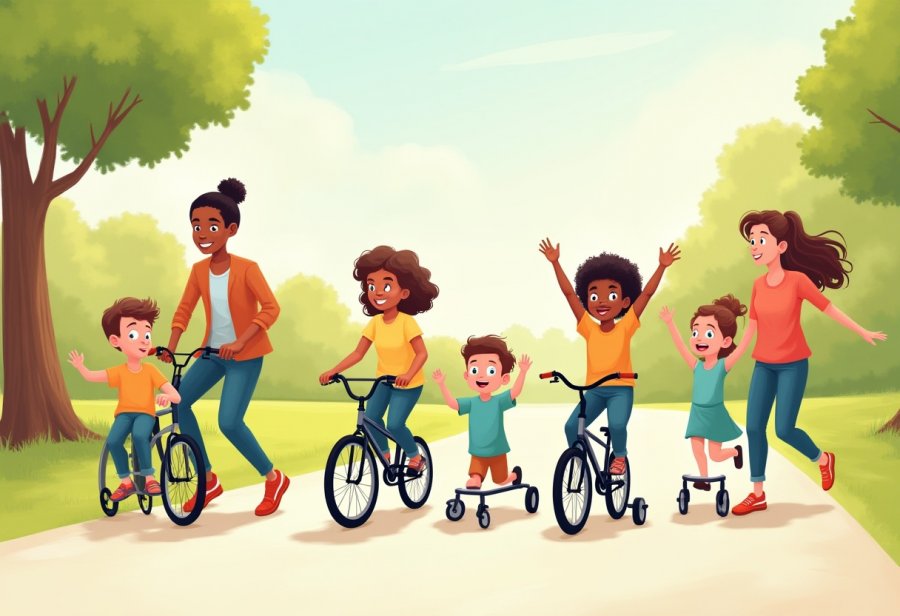
Teaching a child to ride a bike begins with selecting the right tools and creating a safe environment. Balance bikes and training wheels are excellent starting points because they help children develop stability without feeling overwhelmed. Balance bikes, which lack pedals, allow kids to focus on steering and balancing, making the transition to a pedal bike smoother later on. Training wheels provide extra support, giving children confidence as they learn to pedal and steer, gradually easing their fears and building foundational skills. Both options serve as stepping stones, making the learning process easier and less frustrating.
The environment where practice happens plays a crucial role. Flat, open spaces like parks, driveways, or empty parking lots give kids room to wobble, fall, and recover without the dangers of traffic or obstacles. These safe zones encourage experimentation and independence, helping children master balance and pedaling at their own pace. As their confidence grows, gradually introducing gentle slopes or smoother trails can help them adapt to different terrains, further enhancing their skills and resilience.
Safety gear isn’t just about protecting against injuries; it’s about building a sense of security. Helmets, knee and elbow pads, and gloves help children feel protected, making them more willing to try new maneuvers or extend their riding sessions. When safety equipment becomes a normal part of riding, children associate safety with fun, which encourages them to approach cycling with enthusiasm rather than fear. This positive mindset supports their willingness to take on new challenges and pushes their boundaries.
Support from parents and caregivers is vital during practice. Holding the bike steady at the start, jogging alongside, or giving gentle pushes helps children feel secure as they learn to balance and pedal. Praising small successes—like maintaining balance for a few seconds or riding a few extra feet—boosts their confidence and motivation. Patience and encouragement turn setbacks like wobbling or falling into valuable lessons, helping kids understand that mistakes are part of the learning process.
Progression should be gradual and natural. Starting with balance bikes or training wheels lays a solid foundation, allowing children to internalize fundamental skills without pressure. As they gain comfort, introducing more challenging environments—such as slight inclines or varied surfaces—helps them adapt and grow more resilient. Celebrating each small milestone along the way keeps motivation high and makes learning a positive, rewarding experience.
Celebrating every achievement, no matter how small, reinforces a positive attitude. Whether it’s riding a few extra feet or balancing unaided for a few seconds longer, these moments build self-esteem and reinforce persistence. Combining the right tools, safe environments, supportive guidance, and positive reinforcement turns learning to ride into an enjoyable adventure. This approach not only develops skills but also fosters confidence and independence that last well beyond the first successful ride.
Expert Perspectives: Creating Safe, Supportive Learning Environments
Experts in child development and cycling safety emphasize the importance of creating a supportive environment when teaching kids to ride. Starting in open, flat spaces like parks or driveways allows children to practice freely without the pressure of traffic or uneven terrain, helping them build confidence step by step. When kids feel safe, they’re more willing to take risks and try new skills, which accelerates their learning and reduces the fear of falling.
Using protective gear consistently is another cornerstone of professional advice. Helmets, knee, and elbow pads aren’t just safety measures—they serve as reassurance, making children more comfortable and eager to ride. When safety equipment is normalized and seen as part of the routine, kids develop a positive attitude toward cycling, viewing it as fun and secure rather than risky.
Patience and positive reinforcement are crucial. Celebrating small victories—like balancing for a few seconds longer or pedaling unaided—boosts a child’s confidence and motivation. An encouraging attitude from parents and instructors transforms setbacks into valuable lessons, helping kids understand that falling or wobbling is natural and part of learning. This approach fosters resilience and a growth mindset, making the process feel less daunting.
Setting realistic expectations helps prevent frustration. Pushing too hard or rushing progress can lead to discouragement or even accidents. Instead, allowing children to progress at their own pace, gradually introducing more challenging terrains, nurtures persistence and enjoyment. This measured approach ensures that each milestone feels like a genuine achievement, reinforcing their desire to keep practicing.
Normalizing falls and setbacks as part of the journey reduces anxiety. Sharing stories of other kids overcoming their fears or experiencing similar struggles can inspire bravery. When children see setbacks as normal steps toward mastery, they become more willing to face their fears, knowing they have the support to get back up and try again, which builds emotional resilience.
The emotional support from adults is as vital as physical safety measures. Offering consistent encouragement, celebrating efforts, and acknowledging progress foster a positive environment. When children feel valued and understood, they develop confidence and a willingness to take on new challenges, both on and off the bike.
Incorporating these professional insights into teaching strategies turns learning to ride into a safe, enjoyable, and empowering experience. It’s about more than just mastering balance—it’s about nurturing courage, patience, and resilience that will serve children long after their first ride.
Celebrating Growth: Embracing Challenges and Inspiring Future Adventures
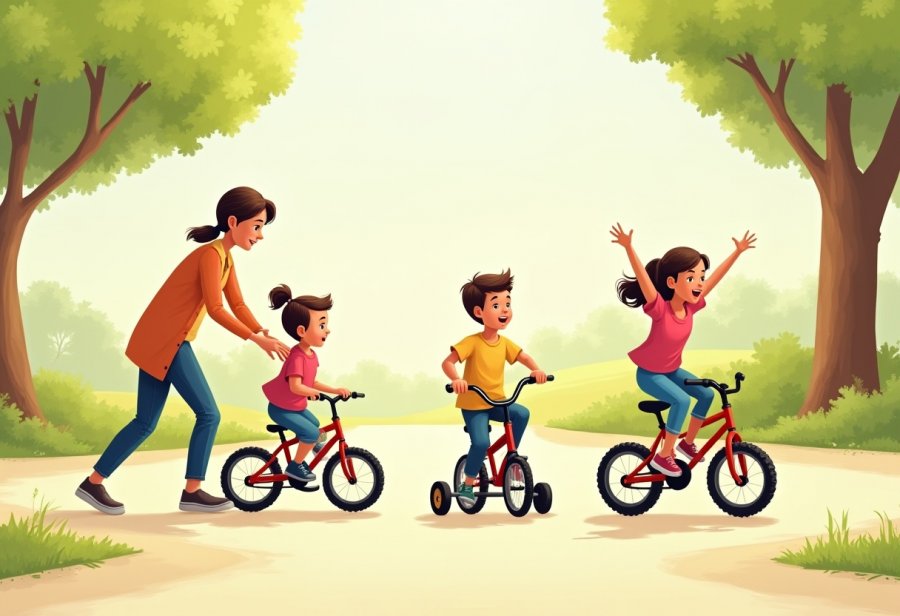
Learning to ride a bike is more than just mastering balance; it’s a foundational moment that shapes a child’s confidence, resilience, and independence. Each wobble, fall, and small victory becomes a building block in their development, teaching them that setbacks are natural steps on the road to mastery. When children wobble or stumble, they learn that perseverance and patience are essential, laying the groundwork for tackling future challenges with courage and curiosity.
Supporting children through this journey is vital. Celebrating every effort—whether it’s a brief solo ride or simply staying upright a few seconds longer—fosters a positive attitude toward learning. These moments of progress aren’t just about cycling; they help children develop a mindset that values persistence and self-trust. When kids recognize their own growth, they become more eager to face new challenges, both on and off the bike.
Creating a safe, encouraging environment makes a significant difference. Flat, open spaces like parks and driveways provide the ideal setting for children to practice freely, experiment, and build confidence without the pressure of traffic or obstacles. Equipping them with safety gear isn’t just about protection—it reassures them, making them more willing to try new tricks and extend their rides. This combination of safety and support turns learning into an enjoyable adventure.
As children become more comfortable, their sense of independence deepens. Every successful pedal stroke or balanced moment boosts their belief in their abilities and reinforces the idea that effort leads to progress. These early experiences of overcoming fears and facing challenges foster resilience, a trait that will serve them well throughout life. The skills they develop on their first rides become a springboard for future growth, both on bicycles and in everyday endeavors.
Looking ahead, advances in technology and innovative teaching methods promise to make learning to ride even more accessible and fun. From smart helmets to virtual training tools, these innovations encourage a joyful and confident approach to cycling. They help ensure that every child’s journey is safe, engaging, and filled with the thrill of discovery, setting the stage for many more adventures.
In the end, teaching a child to ride a bike isn’t just about the skill itself—it’s about nurturing a mindset that welcomes challenges and celebrates effort. Each wobble and fall becomes part of a larger story of growth, trust, and resilience. By fostering support, emphasizing safety, and recognizing progress, parents and caregivers turn this milestone into a joyful chapter that inspires lifelong confidence and a love for exploration.