Beyond Hollywood’s glamorous myth lies the true story of Cleopatra VII, a ruler defined by her intellect, resilience, and masterful diplomacy. Was her legacy rooted in beauty and romance, or in her sharp mind and strategic leadership? Cleopatra’s extensive education in languages, sciences, and history equipped her to navigate the turbulent political waters of ancient Egypt and Rome. Her alliances with Julius Caesar and Mark Antony were carefully crafted moves to safeguard her kingdom’s independence, not mere romantic entanglements. Her ability to blend Greek and Egyptian cultures, leverage cultural diplomacy, and wield influence through knowledge made her a formidable leader. This nuanced perspective reveals a woman who understood that true power resides in wisdom, adaptability, and strategic thinking—traits that resonate as much today as they did centuries ago. Is it time we reevaluate her legacy beyond the superficial myth to recognize her as a pioneering stateswoman shaped by intelligence and resilience?
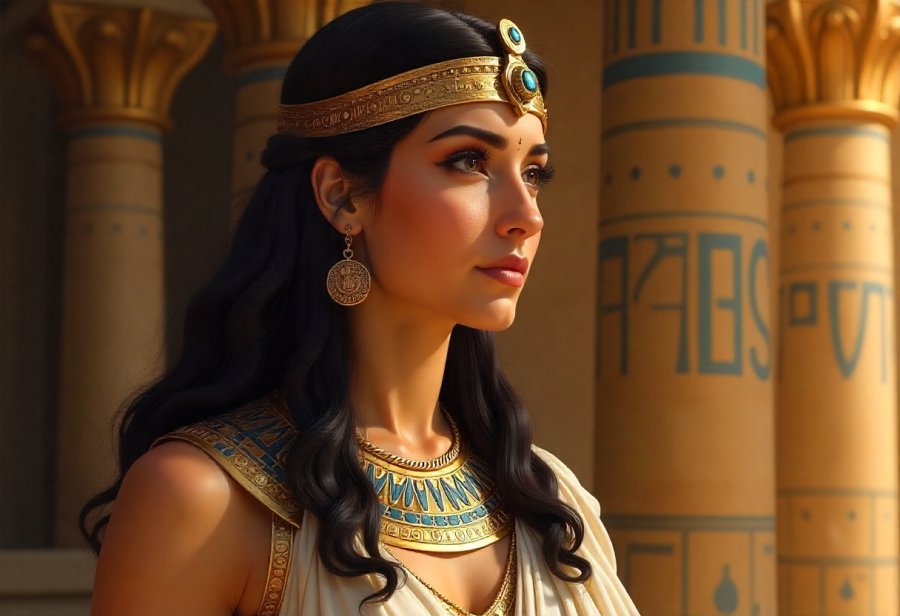
Unveiling Cleopatra’s True Power: Beyond Hollywood Stereotypes
Cleopatra VII is often remembered through Hollywood’s glamorous lens—an alluring seductress caught in romantic drama. But her story runs much deeper. She was a highly educated, multilingual leader who fiercely protected Egypt’s independence during an era of rising Roman power. Her true legacy isn’t just about beauty or romance; it’s rooted in her sharp mind, strategic leadership, and diplomatic skill.
Far from the stereotypes, Cleopatra was a ruler who wielded influence through her intelligence and political acumen. She spoke multiple languages, including Egyptian and Greek, and dedicated herself to mastering history, sciences, and diplomacy. Her education was extensive for a woman of her time and shaped her into a formidable strategist. Her ability to engage with figures like Julius Caesar and Mark Antony wasn’t just about personal charm—it was based on her capacity to craft alliances that served Egypt’s interests.
Her leadership was defined by a keen understanding of her political landscape. She skillfully balanced internal court rivalries with external threats, particularly from Rome. Cleopatra’s diplomatic finesse allowed her to maintain Egypt’s independence longer than many of her contemporaries. Her influence stemmed not only from her royal authority but also from her mastery of statecraft—thinking several moves ahead and adapting to rapidly changing circumstances.
Recognizing Cleopatra beyond her romanticized image reveals a figure of resilience and intelligence. She used her extensive knowledge and cultural diplomacy to safeguard her kingdom, forging alliances through careful negotiation. Her story reminds us that true power in turbulent times comes from understanding people, cultures, and the complex web of influence—lessons that still resonate today.
What’s often overlooked is how Cleopatra’s leadership was rooted in education, resilience, and strategic thinking. Her ability to navigate the turbulent political landscape and protect Egypt’s sovereignty highlights her as a visionary ruler. Moving beyond Hollywood’s portrayal helps us appreciate her as a leader shaped by intellect and resilience, not just beauty or charm. Her legacy is a testament to the strength of the mind in shaping history.
Roots and Rivalries: The Complex Heritage and Political Landscape of Cleopatra VII
Cleopatra VII’s origins are rooted in a complex blend of Macedonian Greek and Egyptian heritage, shaping her unique identity as a ruler. Born around 69 BCE into the Ptolemaic dynasty, her family had ruled Egypt since the aftermath of Alexander the Great’s conquest. The Ptolemies maintained a Greek royal court, often emphasizing their Macedonian roots, while governing over a land rich in Egyptian traditions and culture. This dual heritage made Cleopatra a bridge between two worlds, a trait that would influence her leadership style deeply.
From a young age, Cleopatra received an education that set her apart from many women of her time. Fluent in Greek and Egyptian, she also gained knowledge of sciences, mathematics, and philosophy. Her scholarly pursuits weren’t merely personal interests—they were strategic tools, helping her better understand governance, diplomacy, and cultural dynamics. This extensive education laid the foundation for her later role as a shrewd and adaptable leader, capable of navigating the turbulent political landscape of her era.
Her reign coincided with increasing external pressures from Rome’s expanding empire and internal struggles within Egypt’s court. The Ptolemaic dynasty was often plagued by rivalries, intrigue, and internal conflicts, threatening her grip on power. Cleopatra’s ability to read her environment was rooted in her understanding of history and her diplomatic instincts. She recognized that military strength alone wouldn’t guarantee survival, so she forged strategic alliances—most notably with Julius Caesar and later with Mark Antony—to preserve Egypt’s independence amid Roman encroachment.
Her background and the volatile political climate pushed her toward a leadership style characterized by flexibility and cultural diplomacy. She mastered the art of blending Hellenistic sophistication with native Egyptian customs to legitimize her rule. Her multilingual abilities and scholarly background weren’t just personal achievements; they became vital assets in communicating with diverse allies and rivals, reinforcing her capacity as a diplomat and strategist in a rapidly changing world.
Behind her throne, Cleopatra’s success was supported by a network of advisors, scholars, and institutions like the Library of Alexandria. This hub of learning and innovation fueled her intellectual growth and provided her with the knowledge necessary to craft nuanced political strategies. Her appreciation for scholarship and cultural exchange exemplified her understanding that power was rooted not only in military strength but also in wisdom, adaptability, and the ability to foster alliances across different cultures.
All these elements—her heritage, education, and political savvy—converged to shape Cleopatra into a leader who understood that true strength lay in her capacity to adapt, learn, and leverage her cultural and intellectual resources. Her story isn’t just about a royal lineage but about a ruler who turned her diverse background into a strategic advantage. It’s this combination of roots and resilience that defined her reign and set her apart as one of history’s most perceptive and resilient leaders.
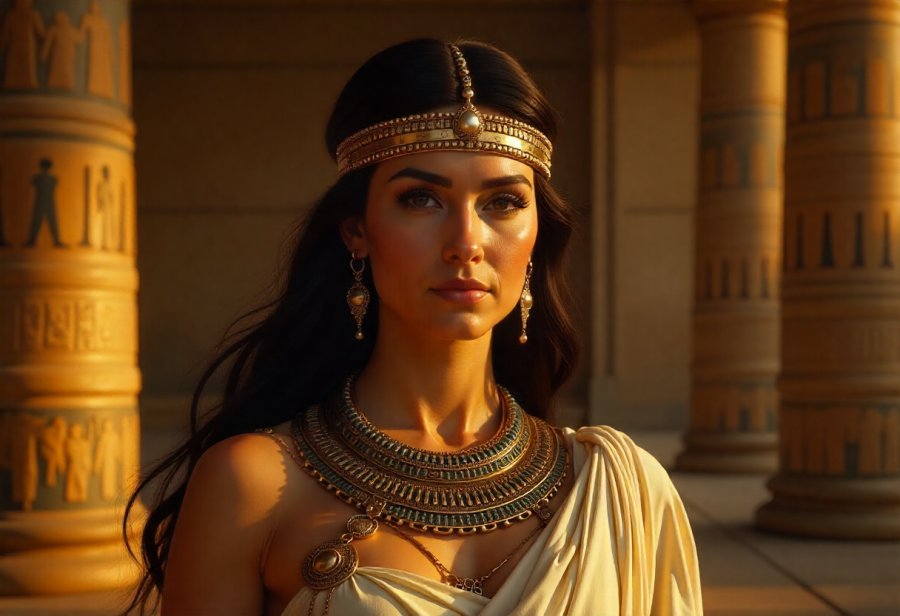
Myth vs. Reality: Rethinking Cleopatra’s Portrayal as a Leader and Scholar
Today, the image of Cleopatra is often shaped by Hollywood’s romanticized portrayals—glamorous, seductive, and entangled in dramatic love stories. Films tend to emphasize her relationships with Julius Caesar and Mark Antony, suggesting her power was rooted mainly in beauty and personal charm. This narrative simplifies her influence, overshadowing her true role as a highly educated, strategic leader. In reality, Cleopatra was a scholar and diplomat who mastered politics, language, and cultural diplomacy.
Historical sources from her time paint a different picture. Cleopatra was fluent in multiple languages, including Egyptian and Greek, and had a deep knowledge of sciences, history, and philosophy. Her diplomatic skills weren’t just about allure—they stemmed from her ability to understand different cultures, craft alliances, and navigate complex political landscapes. Her relationships with Roman leaders were carefully calculated moves designed to protect Egypt’s sovereignty, not mere romantic pursuits.
The myth of her as merely a seductress diminishes her achievements. Cleopatra’s leadership relied on intelligence, military strategy, and cultural diplomacy. She knew influence in the ancient world came from timing, relationships, and knowledge, not just personal charm. Her alliances with Caesar and Antony were strategic efforts to preserve her kingdom amid the rising tide of Roman power. This perspective highlights her as a shrewd, resilient ruler, deeply engaged in statecraft.
Modern narratives often focus on her beauty and love affairs, which reduces her legacy to superficial traits. Such portrayals ignore her intellectual prowess and diplomatic finesse. Recognizing her as a leader driven by wit, education, and strategic thinking offers a more accurate picture. Primary sources like inscriptions, coins, and writings reveal a woman who wielded influence through knowledge and resilience, not just romantic intrigue.
Moving beyond stereotypes requires examining the evidence of her leadership. Her multilingualism and scholarly pursuits weren’t personal hobbies—they were vital tools for diplomacy and statecraft. Her ability to communicate across cultures and forge alliances was rooted in her intelligence and adaptability. This nuanced understanding shifts the focus from romantic myth to her true legacy: a formidable, strategic leader.
Cleopatra’s story challenges us to see her as more than an iconic figure of beauty. She exemplifies that influence often resides behind the scenes—in wisdom, resilience, and cultural intelligence. Her leadership reminds us that true power comes from the mind, not just appearance or titles. Recognizing her full contribution reveals a ruler whose legacy is rooted in intellect and strategic resilience—lessons as relevant today as they were in her time.
Decoding Her Influence: Strategies to Appreciate Cleopatra’s Intellectual and Diplomatic Legacy
Understanding Cleopatra’s leadership requires more than just accepting surface impressions or popular myths. It’s about examining the tangible evidence she left behind—inscriptions, coins, and writings—that reveal her decision-making and diplomatic priorities. These artifacts depict a ruler who wielded influence through intelligence and strategic foresight, rather than relying solely on charisma or beauty.
Looking at her leadership within her turbulent era helps us see her as a master diplomat. She recognized that timing, cultural sensitivity, and relationship-building were just as crucial as military strength. Her multilingual abilities and scholarly background weren’t just personal achievements—they were essential tools to communicate effectively with allies and rivals alike. These skills enabled her to craft alliances and navigate complex political landscapes with finesse.
Creative approaches deepen our understanding further. Comparing her leadership style to modern concepts like resilience and cultural diplomacy reveals timeless strategies. Digital tools—such as mapping her diplomatic exchanges or visualizing her alliances—can uncover patterns of strategic thinking that might otherwise go unnoticed. Seeing her through this lens shifts focus from romanticized myths to her role as a thoughtful, adaptable leader.
Insights from experts in history and political science highlight her negotiation skills, internal political acumen, and ability to leverage cultural exchange. Their analyses confirm her strength lay in her capacity to learn, adapt, and strategically use her knowledge—traits still highly valued in today’s leaders. Recognizing these qualities helps us appreciate her as a figure who mastered the art of influence behind the scenes.
Approaching her story with curiosity and a critical eye allows us to question stereotypes and explore her leadership’s full scope. Evidence suggests her influence was rooted in her intellect and resilience, not just her appearance. Her multilingualism and scholarly pursuits were vital tools for diplomacy and statecraft, shaping her ability to outmaneuver rivals and maintain her throne.
This broader perspective transforms how we view female rulers and leaders across history. Cleopatra’s example reminds us that influence often resides in wisdom, emotional intelligence, and strategic decision-making—traits that transcend time. Her story encourages us to look beyond superficial impressions and appreciate the depth of leadership rooted in knowledge and adaptability.
Her example underscores that leadership is an ongoing journey of growth and resilience. Her ability to learn, negotiate, and respond to challenges made her a pioneer then and a symbol of enduring strength now. By examining her life through this nuanced lens, we uncover lessons that remain relevant in today’s complex world—where influence comes from the mind as much as from any throne.
Ultimately, understanding Cleopatra’s true legacy means recognizing that her influence was built on her intellect, resilience, and diplomatic finesse. These qualities, often overshadowed by myths, defined her leadership and enabled her to leave a lasting mark on history. Her story serves as a powerful reminder that genuine influence comes from wisdom, cultural awareness, and strategic resilience—traits that continue to inspire leadership today.
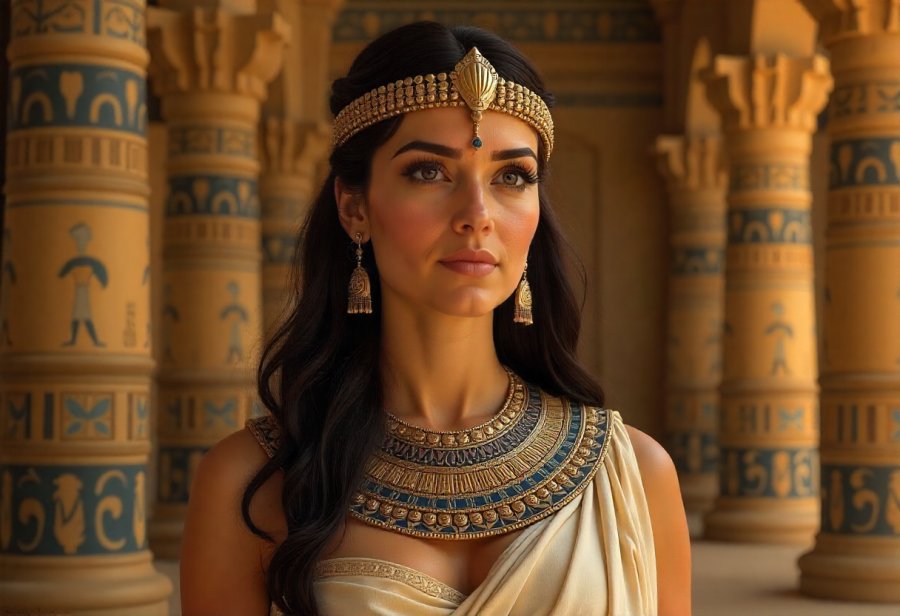
Legacy of Wisdom and Resilience: Honoring Cleopatra’s Enduring Leadership and Influence
Cleopatra’s true legacy goes far beyond the romanticized images often seen in popular culture. Her influence was rooted in her remarkable intellect, strategic leadership, and diplomatic skill. She understood that real power comes from knowledge, resilience, and the ability to adapt—traits she demonstrated through her mastery of multiple languages, dedication to scholarship, and talent for forging alliances. These qualities enabled her to protect Egypt’s independence during a turbulent era and to leave a lasting imprint on history.
Her leadership was deeply informed by a keen understanding of her complex environment. Cleopatra recognized that influence depended not just on military strength, but on cultural diplomacy, timing, and relationship-building. Her multilingualism and scholarly pursuits weren’t mere personal achievements—they were vital tools in communicating across cultures and crafting alliances that sustained her reign. This strategic use of knowledge allowed her to navigate rivalries and external threats with agility.
Looking past her legendary romantic entanglements reveals a leader driven by wit, intelligence, and resilience. Cleopatra valued wisdom as much as royal authority, knowing that influence stems from understanding people, cultures, and the intricate web of power. Her alliances with Julius Caesar and Mark Antony were carefully planned moves aimed at securing Egypt’s future, not just personal gain. Her strategy was rooted in a long-term vision for her kingdom’s stability and sovereignty.
Her story offers timeless lessons for today’s leaders. Cleopatra exemplified the importance of continuous learning, cultural sensitivity, and strategic foresight. Her ability to adapt to shifting circumstances and leverage her knowledge was crucial in defending her realm. These qualities remind us that influence often resides behind the scenes—in the mind, in emotional intelligence, and in the capacity to think several steps ahead.
Reevaluating Cleopatra through this lens challenges outdated stereotypes and highlights her as a pioneer in leadership. Her influence was built on her intelligence, resilience, and diplomatic finesse—traits that transcend time and culture. Her legacy demonstrates that true power is rooted in wisdom and adaptability, qualities that remain essential in modern leadership.
Her example encourages contemporary leaders to embrace lifelong learning and cultural awareness. Cleopatra’s resilience and strategic mindset serve as a reminder that influence is derived from understanding, patience, and the ability to respond effectively to challenges. Recognizing her full contribution reshapes how we see female rulers and emphasizes that genuine leadership is often rooted in the strength of the mind.
In the end, Cleopatra’s story is not just about ancient Egypt. It’s about the enduring power of intellect, resilience, and strategic thinking. Her influence was sustained by her capacity to learn, negotiate, and adapt—traits that continue to inspire and inform leadership today. Her legacy challenges us to value wisdom, cultural diplomacy, and resilience as the true hallmarks of effective influence, both in history and in our own time.