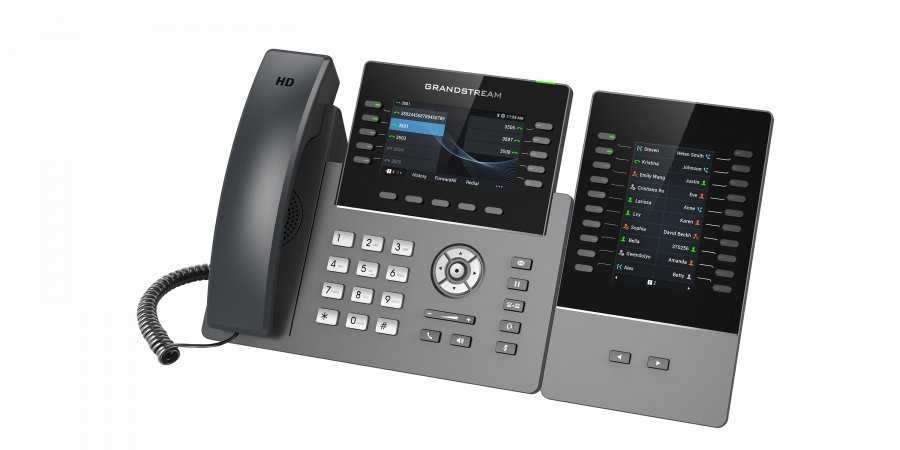
In a rapidly evolving digital landscape, the secret to staying ahead lies in harnessing customizable telephony solutions that revolutionize network efficiency. Grandstream’s innovative devices, like the versatile GRP series IP phones, paired with a powerful management system such as GDMS, empower organizations to deploy and manage communication networks with unprecedented ease and precision. But how transformative can tailored VoIP systems truly be? These solutions do more than just connect calls—they streamline workflows, enhance remote collaboration, and adapt seamlessly to growth, all while reducing costs and complexity. Can your business afford to overlook the potential of centralized control, real-time monitoring, and intelligent features that proactively optimize performance? Embracing such adaptable technology isn’t just smart; it’s essential for building resilient, future-ready communication infrastructures that drive success in a competitive world.
Unlocking Success with Customizable Telephony Solutions
In today’s business landscape, clear and reliable communication is more than just a convenience—it’s a key driver of success. Companies of all sizes face the challenge of maintaining seamless contact with clients, partners, and remote teams, all while navigating rapid growth and shifting priorities. This is where customized telephony solutions come into play, offering the flexibility to tailor communication networks to fit specific organizational needs rather than relying on generic, one-size-fits-all systems.
Traditional landlines and analog systems no longer cut it in an era defined by digital transformation. Modern businesses are turning to IP-based telephony, which digitizes voice signals and transmits them over the internet. This shift not only cuts costs but also unlocks a suite of features—like advanced call routing, remote connectivity, and integrations with other digital tools—that boost operational efficiency. By moving to VoIP, companies can build scalable, adaptable communication networks that evolve alongside their growth.
Understanding how these systems work helps clarify their advantages. VoIP converts voice into data packets that travel over the internet, reassembling into high-quality sound at the destination. This process leverages existing internet infrastructure, eliminating the need for dedicated phone lines and reducing expenses. More importantly, it enables organizations to customize their features—setting up call forwarding, voicemail-to-email, or conference calls—based on their unique workflows. This flexibility transforms a basic communication tool into a strategic asset.
Hardware is a central element in this evolution. IP phones serve as the primary interface for users, connecting directly to the network. While basic models handle straightforward calls, more advanced devices offer HD audio, video calling, programmable keys, and integration with business applications. Selecting the right hardware depends on understanding your team’s specific needs—whether supporting high-volume contact centers or enabling remote work. The right equipment ensures users have the tools to communicate effectively, no matter their role.
Managing these systems has become simpler thanks to cloud-based platforms. Centralized management dashboards allow IT teams to configure, monitor, and update hundreds of devices remotely. This approach ensures consistent settings across locations, speeds up deployment, and reduces errors. Whether rolling out new features or troubleshooting issues, cloud management keeps communication networks responsive and secure without the need for on-site visits or manual reconfiguration.
Customization is at the heart of effective telephony. Small startups might only need basic calling features, but larger enterprises require complex integrations, multi-site support, and stronger security. Fortunately, modern solutions offer a range of hardware options—programmable keys, video capabilities, encryption—to match these diverse requirements. By tailoring their systems, organizations can optimize workflows, improve collaboration, and support future growth without overhauling their entire infrastructure.
Deploying these systems is more straightforward than ever. Modular design, intuitive interfaces, and automated provisioning tools make setup accessible even for organizations with limited technical resources. Phased rollouts allow testing features with select groups before full deployment, minimizing disruption. Security features like encrypted provisioning and network segmentation further safeguard communication channels, creating a reliable foundation for ongoing expansion.
Ultimately, embracing customizable telephony solutions empowers businesses to build communication networks that are as agile and dynamic as they are reliable. With innovative devices from brands like Grandstream and cloud management platforms, organizations can create personalized, scalable systems that support seamless collaboration and responsive customer service. This approach not only meets current demands but also positions companies for long-term success in a competitive, digital-first world.
Revolutionizing Business Communication Through Telephony Innovation
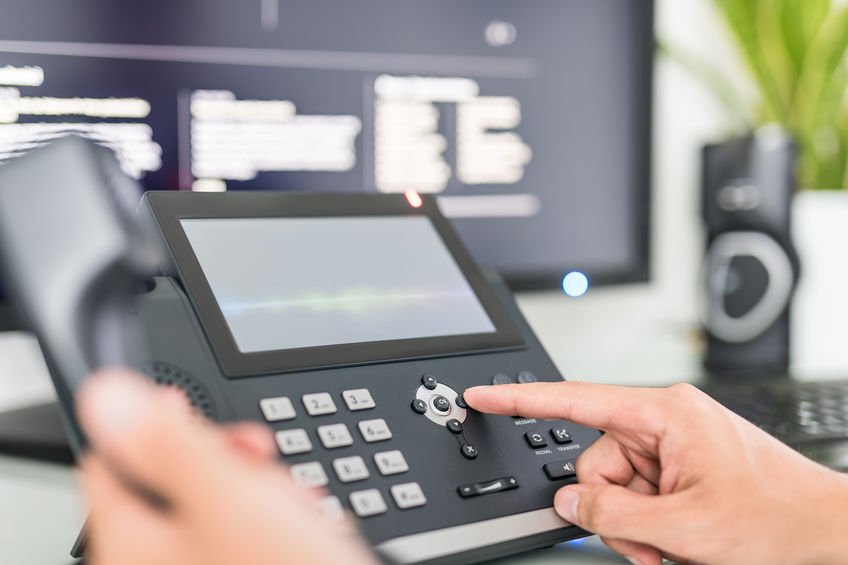
Telephony technology has come a long way from the days of manual switchboards and analog landlines. Today, most businesses rely on Internet Protocol (IP)-based systems that digitize voice signals, transforming how organizations communicate internally and with their clients. This shift to Voice over Internet Protocol (VoIP) means voice data is broken into small packets and sent over the internet, allowing for clearer calls, more features, and significant cost savings. Unlike traditional phone lines, VoIP systems are inherently flexible, scalable, and easier to manage, making them ideal for organizations seeking to adapt quickly to changing needs.
One of the key advantages of VoIP is its ability to be customized. Organizations can tailor their telephony setups according to specific workflows, staff roles, or operational demands. For example, call centers benefit from advanced routing and queue management features, while remote teams may prioritize mobility and softphone compatibility. This level of personalization ensures that communication tools support rather than hinder productivity, creating a more seamless experience for both employees and customers.
Hardware plays a vital role in maximizing these benefits. IP phones serve as the primary interface for users, connecting directly to the network rather than traditional phone lines. Basic models handle standard calls efficiently, but more sophisticated devices offer high-definition audio, video calling, programmable keys, and integration with business applications. Choosing the right hardware depends on understanding the unique needs of each team or department—whether it’s high-volume customer support or executive communication—enabling organizations to deploy exactly what’s necessary for optimal performance.
Managing these systems has become increasingly straightforward thanks to cloud-based platforms. Centralized management dashboards allow IT teams to configure, monitor, and update hundreds of devices remotely from a single interface. This simplifies deployment across multiple locations, reduces the risk of misconfiguration, and speeds up updates. Whether rolling out new features or troubleshooting issues, cloud management keeps communication networks responsive and secure, minimizing downtime and freeing up resources for other priorities.
The true power of customizable telephony lies in its ability to evolve with your business. As needs shift—whether through growth, new markets, or changing customer expectations—these systems can be easily scaled and reconfigured. Advanced features like call forwarding, voicemail-to-email, and integrated digital tools can be added or modified without costly hardware overhauls. This flexibility ensures your communication infrastructure remains aligned with your strategic goals, supporting long-term growth and operational agility.
In essence, understanding the core concepts of telephony technology reveals a landscape of potential. By leveraging digital systems, tailored hardware, and cloud management, businesses can craft communication networks that are both resilient and adaptable. This approach not only enhances day-to-day operations but also provides a solid foundation for future innovation. Embracing customizable telephony solutions means building a smarter, more connected organization capable of meeting today’s demands and tomorrow’s opportunities.

Enhancing Network Performance with Grandstream’s Cutting-Edge Devices
Grandstream’s innovative devices and management systems are redefining how businesses optimize their network performance, making both deployment and ongoing maintenance more straightforward than ever. Their lineup of IP phones, especially the GRP series, is built for rapid, large-scale deployment. This means organizations can outfit multiple locations with minimal hassle, thanks to centralized management platforms like GDMS that streamline configuration, provisioning, and monitoring from a single interface. No more manual setups at each site—this approach saves time, reduces errors, and ensures consistency across the board.
With GDMS, IT teams gain complete control over their entire device ecosystem. They can configure settings, push updates, and troubleshoot remotely, all from a centralized dashboard. This not only accelerates deployment but also keeps the system resilient as the business scales. Automated processes and remote management capabilities reduce the need for on-site visits, freeing up valuable resources and minimizing downtime. As a result, businesses can respond swiftly to changing needs, whether adding new users, adjusting configurations, or rolling out new features.
Beyond initial deployment, Grandstream’s solutions bolster network reliability through real-time monitoring and proactive management. The cloud-based platform provides valuable insights into device health, call quality, and security status, enabling IT teams to identify issues before they impact operations. Automated alerts and diagnostic tools facilitate remote troubleshooting, which means problems can be resolved quickly—often before users even notice. This proactive approach keeps communication flowing smoothly, even during periods of rapid growth or organizational change.
The flexibility of Grandstream’s devices supports a broad spectrum of organizational needs. Whether supporting a busy contact center with extensive call routing, enabling remote workers with softphone compatibility, or integrating with existing business applications, these devices adapt easily. Programmable keys, high-definition audio, video capabilities, and security features like encryption ensure each user has the right tools to perform at their best. This level of customization helps streamline workflows, improve collaboration, and ensure that each team member’s communication environment aligns with their specific role.
Deploying these systems is intuitively designed to be simple and scalable. Modular hardware, straightforward interfaces, and automated provisioning tools make setup accessible even for organizations without extensive technical resources. Phased rollouts allow testing and fine-tuning before full deployment, reducing the risk of disruptions. Security features such as encrypted provisioning and network segmentation further protect the system, creating a solid foundation for ongoing growth. This combination of ease, security, and scalability positions Grandstream solutions as a future-proof choice for any business seeking to upgrade its communication infrastructure.