In an era where effective communication can determine organizational success, personalized telephony solutions emerge as game-changers. These tailored systems streamline workflows, reduce misunderstandings, and enhance agility—yet are your current devices truly harnessing their full potential? Grandstream’s innovative range of IP phones and cloud management tools facilitate seamless deployment and management across any size organization. As telephony technology evolves from basic analog lines to sophisticated, AI-powered IP systems, the strategic advantage shifts toward integration, automation, and security—what’s next in this rapid evolution? Future innovations promise smarter call routing, real-time translations, and ultra-reliable networks supported by 5G and Wi-Fi 6, transforming how businesses connect. The challenge lies in not only adopting these advancements but also ensuring they adapt to your unique needs, offering the resilience and flexibility required in today’s digital landscape. Are you ready to unlock the full power of customized communication?
Boost Your Business Communication with FiberConX’s Advanced VoIP Solutions
Enhance your business or residential phone experience in Canada with FiberConX Communications. Our comprehensive VoIP services include features like voicemail, IVR, Ring Groups, and voicemail-to-mail, ensuring seamless and professional communication. For businesses seeking reliable hardware, explore our Grandstream IP Phones that integrate effortlessly with our platform. Whether you need scalable solutions for a growing enterprise or crystal-clear residential calling, FiberConX has you covered. Contact us today at 1.800.961.6856 or [email protected] to learn more about our tailored VoIP services and discover how we can transform your communication infrastructure.
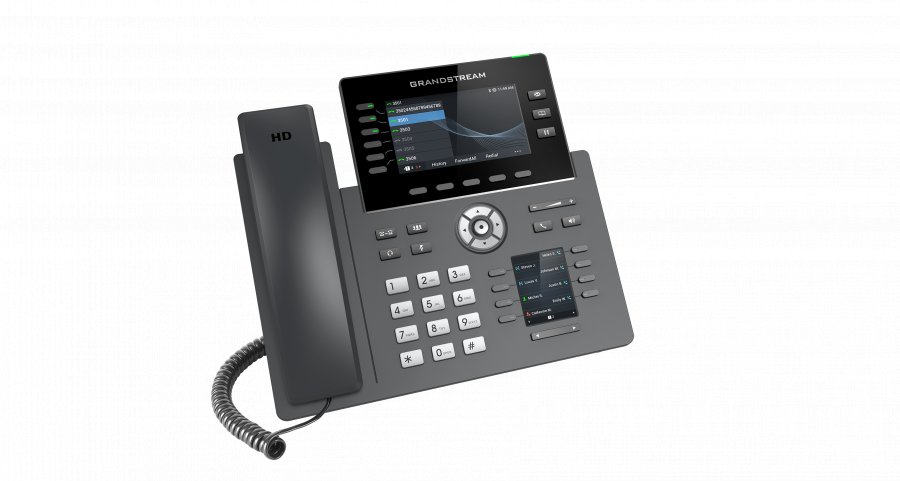
Transform Communication with Customized Telephony Solutions
In today’s fast-paced business world, effective communication is more critical than ever. Instead of relying on one-size-fits-all systems, organizations are increasingly turning to customized telephony solutions that align with their unique workflows and goals. These tailored systems help streamline daily operations, minimize misunderstandings, and reduce delays—ultimately boosting overall efficiency. When communication tools are designed around a company’s specific structure, they become powerful assets that support growth, agility, and seamless collaboration.
Transitioning to personalized telephony is about more than just upgrading hardware; it’s a strategic move to transform how teams connect. When devices and features are aligned with routine tasks, work becomes more intuitive and less prone to disruption. For example, sales teams can benefit from quick-dial options integrated with customer databases, while support centers might prioritize advanced call routing and headsets to improve service quality. These customized setups allow employees to focus on what truly matters—delivering excellent service and making impactful decisions.
Grandstream plays a pivotal role in making these tailored solutions accessible and scalable. Their extensive range of IP phones and communication devices are designed to meet the needs of organizations of all sizes. Whether deploying a handful of phones for a small team or managing thousands across multiple locations, Grandstream’s devices are built for flexibility. When paired with their cloud-based device management system, GDMS, businesses can easily configure, monitor, and maintain their entire communication network from a single, user-friendly platform.
The real advantage of customized telephony lies in its ability to adapt to organizational growth and change. Cloud management tools simplify deployment, allowing administrators to create profiles that automatically provision new devices with the right settings. This means updates and security patches can be pushed remotely without disrupting daily operations. As a result, organizations can remain nimble and responsive, ensuring their communication systems evolve alongside their business needs.
Adopting personalized telephony solutions isn’t just about technology—it’s about creating a more connected, efficient organization. When every call and connection is optimized to support specific workflows, teams can collaborate more effectively and respond more quickly to customer demands. For organizations committed to staying competitive in today’s digital landscape, investing in tailored communication systems powered by innovative devices like Grandstream’s IP phones can be a game-changer.
Ultimately, the shift toward customized telephony represents a strategic step forward. It enables organizations to craft communication environments that are not only more efficient but also more resilient and adaptable. By leveraging the right technology and management tools, companies can unlock new levels of productivity and customer satisfaction—building a foundation for sustained growth in an increasingly connected world.
From Rotary Phones to Cutting-Edge IP Systems: The Evolution of Telephony
Telephony technology has come a long way since its inception, evolving from simple analog landlines and rotary phones to the sophisticated digital and IP-based systems we use today. In the early days, voice signals traveled through physical wires, limiting communication to local exchanges and small networks. While effective for basic needs, these systems lacked the flexibility and scalability required by growing organizations or remote operations. The shift to digital switching systems marked a major milestone, offering clearer sound quality and features like call forwarding, voicemail, and automated attendants, which made internal and external communication more reliable and efficient.
The real game-changer arrived with the advent of Voice over Internet Protocol (VoIP). By enabling voice calls over the internet, VoIP drastically reduced costs and unlocked new possibilities for customization. Organizations could now tailor their communication setups to fit specific workflows, integrating seamlessly with other digital tools and cloud platforms. This shift also introduced standard protocols like SIP, which simplified device interoperability and made it easier to design flexible, scalable networks suited to diverse organizational needs.
Cloud-based management platforms further transformed telephony by allowing centralized control over large deployments. Administrators could configure, monitor, and update hundreds or thousands of devices remotely, ensuring uniform security and performance. This level of control made it possible for organizations to expand rapidly without the logistical challenges of manual configuration. As networks became more sophisticated, the integration of telephony with broader business systems—such as CRM and analytics—became commonplace, providing richer, more personalized communication experiences.
Today, advancements in network technology like 5G and Wi-Fi 6 promise even higher audio quality, lower latency, and more reliable connections, even in challenging environments. These developments support the deployment of complex features like real-time language translation, AI-powered virtual assistants, and smarter call routing, all of which enhance user experience and operational efficiency. The evolution of telephony reflects a shift from utility to strategic asset, empowering organizations to communicate more effectively in a constantly changing digital landscape.
Looking ahead, the trajectory of telephony points toward even deeper integration, greater automation, and enhanced security. As devices become more intelligent and networks more robust, organizations will be able to craft highly personalized, scalable communication systems that adapt to their evolving needs. This ongoing evolution ensures that telephony remains a vital, dynamic tool—supporting not just communication, but strategic growth and competitive advantage in the digital age.

Shaping the Future: Current Trends in Telephony Technology
Current trends in telephony are reshaping how organizations approach their communication systems, placing a strong emphasis on flexibility, automation, and security. Cloud-managed platforms like GDMS are at the forefront, enabling businesses to provision, update, and troubleshoot devices remotely through a single, intuitive interface. This centralized management simplifies deployment across multiple locations, ensuring updates and security patches are applied swiftly and consistently, which reduces downtime and minimizes technical overhead.
Artificial intelligence is becoming embedded into modern telephony devices, transforming user experiences with features like voice recognition, virtual assistants, and intelligent call routing. These innovations help organizations reduce wait times, enhance customer interactions, and allow staff to focus on higher-value tasks. As AI capabilities grow smarter, they enable more personalized interactions and more efficient workflows, making every call more productive and engaging.
Hardware continues to evolve alongside these advancements. IP phones now support extensive programmability, high-definition audio, and multiple connectivity options, catering to different roles within the organization. From quick-dial keys for front-line staff to sleek, feature-rich models for executives, these devices are designed to optimize productivity and clarity in every conversation, regardless of location.
Security remains a top priority as telephony systems become more integrated with cloud platforms and internet-based architectures. Encryption protocols, multi-factor authentication, and regular firmware updates are standard practices that protect sensitive conversations and organizational data. These measures are vital as cyber threats become more sophisticated, helping organizations maintain trust and compliance without sacrificing agility.
Integration with broader business tools continues to deepen. Telephony solutions now connect seamlessly with customer relationship management (CRM) systems, analytics platforms, and collaboration tools, creating a unified communication ecosystem. This interconnectedness supports smarter call management, delivers valuable data insights, and enables more personalized customer engagement—boosting overall organizational responsiveness and efficiency.
Looking ahead, emerging networks like 5G and Wi-Fi 6 will support these innovations by providing higher-quality audio and more reliable connections, even in challenging environments. Combined with AI advancements and cloud platforms, these developments will make personalized telephony more scalable, secure, and adaptable. Organizations that stay ahead of these trends will be better positioned to craft communication systems that are not only efficient but also future-proof, ensuring they can respond swiftly to evolving demands and opportunities.
Seamless Transition: Implementing Customized Telephony Solutions Effectively
Switching to a customized telephony system starts with a clear understanding of your organization’s unique communication needs. Analyze how your teams operate, whether remote work is common, and what existing infrastructure can support new devices. This insight guides the selection of hardware and features—such as high-speed internet, call routing, or CRM integration—that align with your workflows. For example, a sales team might benefit from IP phones with speed dial buttons linked to customer data, while a support center could prioritize advanced call management tools like queues and headsets. Choosing versatile devices like Grandstream’s IP phones lays a solid foundation for a smooth transition.
Configuration is where cloud management platforms like GDMS come into play. Instead of manually setting up each device, you can create templates with all necessary settings—network credentials, security protocols, call rules—and deploy them across your entire network. This approach streamlines the process, reduces errors, and ensures consistent settings everywhere. When updates or new features are needed, they can be pushed remotely, keeping all devices synchronized without disrupting daily operations. This centralized control makes managing large or geographically dispersed deployments much simpler and more efficient.
Deploying your new telephony system systematically helps avoid common pitfalls. Connect each device to the network and verify internet access before configuring via the cloud platform. Conduct thorough testing of call quality, security features, and functionalities to catch issues early. Engaging end users during this phase provides valuable feedback, helping to identify practical challenges and adjust configurations accordingly. Providing training on new features ensures staff can maximize the system’s benefits and reduces resistance to change, smoothing the overall rollout.
Prepare for potential hurdles like compatibility issues with existing network equipment or security concerns. Upgrading switches or segmenting your network with VLANs can prevent connectivity problems. Implement strong encryption, secure passwords, and keep firmware updated to safeguard against cyber threats. Addressing these challenges early ensures a smooth transition, maintaining reliable, secure communication from day one. Clear communication and support during deployment foster confidence and help staff embrace the new system quickly.
A phased rollout, especially for multiple locations, can ease the process further. Start with a pilot group, gather feedback, and resolve issues before expanding. This incremental approach allows your team to adapt procedures, troubleshoot on a smaller scale, and ensure each phase operates smoothly. Regular communication and training during this period build confidence and help staff understand the benefits of the new system, encouraging quick adoption.
Once your customized telephony solution is in place, ongoing management becomes more straightforward with centralized tools like GDMS. Continuous monitoring of device performance, call quality, and security logs helps maintain system health. Remote updates, troubleshooting, and performance reports enable your IT team to address issues proactively, ensuring reliable operation. A well-executed deployment sets the stage for a flexible, efficient communication environment that adapts easily to future growth and evolving needs.

Looking Ahead: The Future of Personalized Telephony Technology
The future of personalized telephony is set to be defined by innovations that make communication smarter, more seamless, and deeply integrated into everyday business processes. Artificial intelligence will become a central feature, enabling advanced call routing, real-time language translation, and voice assistants capable of handling routine tasks automatically. These tools will not only elevate user experiences but also help organizations respond faster to customer needs, reducing workload and creating more natural, efficient interactions.
Faster, more reliable networks like 5G and Wi-Fi 6 will underpin these technological advances, delivering higher audio quality and lower latency even in challenging environments. This increased connectivity will support sophisticated telephony features without compromising security or performance, allowing organizations to deploy highly flexible and resilient communication systems that adapt to changing operational demands. As a result, businesses will be able to maintain consistent, high-quality communication regardless of location or device.
The integration of telephony with broader business tools will deepen significantly. Customer relationship management platforms, analytics systems, and collaboration apps will work together seamlessly, transforming communication into a unified ecosystem. This interconnected approach enables smarter call management, delivers valuable data insights, and supports highly personalized customer interactions—ultimately boosting responsiveness and organizational agility.
Cloud management platforms like GDMS will continue evolving to support this landscape, offering more automation, improved security, and easier remote troubleshooting. These advancements will empower IT teams to manage large-scale deployments efficiently, pushing updates and security patches instantly across all devices. As a result, organizations can scale their customized communication networks quickly and confidently, even as their needs grow more complex.
Device innovation will also play a key role, with purpose-built hardware designed for mass deployment. These devices will support quick configuration, centralized updates, and real-time monitoring, simplifying the expansion of personalized telephony solutions across multiple locations. This streamlined approach will enable organizations to grow their communication infrastructure without disrupting daily operations or sacrificing quality.
Security will remain a top priority as telephony becomes more interconnected. Enhanced encryption protocols, multi-factor authentication, and continuous firmware updates will safeguard sensitive conversations and organizational data. As cybersecurity threats evolve, these measures will ensure that innovation and security go hand in hand, allowing organizations to leverage new features confidently and maintain trust in their communication systems. This ongoing evolution promises a future where personalized telephony remains a strategic, secure, and highly adaptable asset.