Underground street racing is a world driven by adrenaline, rebellion, and a profound sense of brotherhood. Beyond the roar of engines and custom modifications lies a culture built on loyalty, trust, and shared rituals, transforming fleeting races into lifelong bonds. What fuels this resilience in the face of legal threats and societal disapproval? It’s the unwavering support, secret meetups, and symbolic gestures that reinforce a collective identity rooted in craftsmanship and mutual respect. As technology evolves, so does the scene—embracing digital tools, innovative tuning, and a diverse community that pushes boundaries while remaining fiercely loyal to its roots. This clandestine culture isn’t just about speed; it’s about forging relationships that withstand time and adversity, turning rebellious acts into enduring traditions. Are these bonds of brotherhood more powerful than the engines that ignite them? The answer lies in the resilient heart of underground racing’s unbreakable community.
Discover the Hidden World of Underground Street Racing
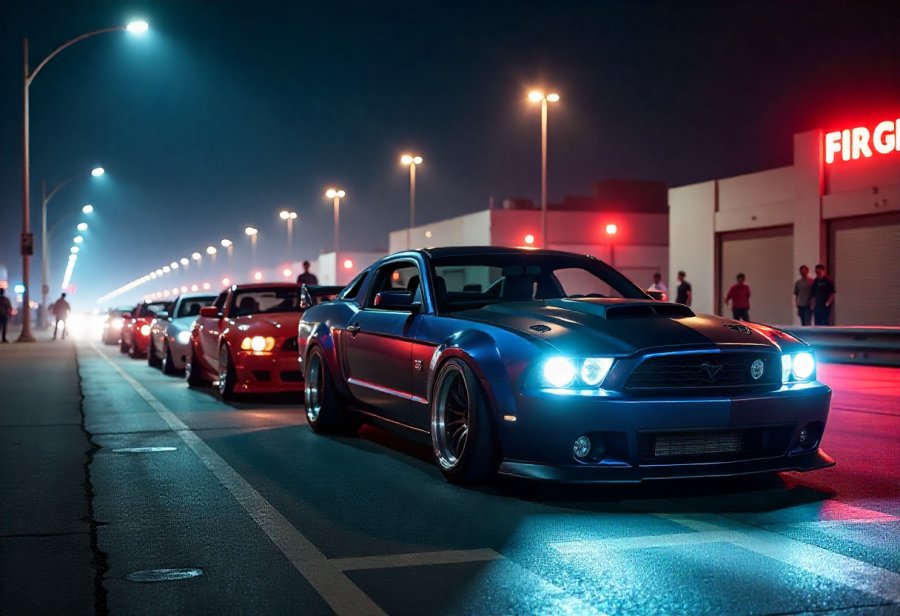
Underground street racing is more than just a pursuit of speed; it’s a hidden world that pulses within many cityscapes. It’s where adrenaline meets rebellion, and a community forms around the shared love of pushing machines—and themselves—to the limit. These races usually happen late at night, on deserted streets, empty parking lots, or quiet industrial areas, where drivers seek the thrill away from prying eyes and legal trouble. The scene thrives on secrecy and trust, creating a bond among participants that’s rooted in a common passion and a desire to stand apart from mainstream society.
Over time, what started as spontaneous, individual acts of daring has evolved into organized groups with a strong sense of identity. Drivers form crews, adopting symbols, handshakes, and rituals that reinforce their bonds. Loyalty and confidentiality are core values, with members sharing secret meeting spots and maintaining a code of silence to protect their community. These rituals foster a feeling of belonging that extends beyond racing, turning participants into a close-knit family driven by mutual respect and shared purpose.
Despite its clandestine nature, underground racing leaves a lasting cultural imprint. It’s a form of resistance—an act of self-expression against societal norms and authority figures. The streets become canvases for creativity, with custom paint jobs, modified engines, and unique styles reflecting personal identity. For many young drivers, this scene is a way to carve out a space for independence and individuality, especially in neighborhoods where opportunities may be limited. The bonds formed in these late-night races often last a lifetime, built on trust, shared experiences, and the collective pursuit of excellence.
The activity isn’t just about going fast—it’s about forging relationships that run deeper than asphalt. The community’s strength lies in the loyalty that drives members to support each other through setbacks, whether mechanical failures, legal threats, or personal struggles. Secret meetups, encrypted chats, and mutual assistance help maintain a resilient network of trust. This sense of brotherhood is what keeps underground racing alive, despite the risks and societal disapproval that threaten to crack its foundation.
Today, technology continues to play a pivotal role in the scene’s evolution. Social media, encrypted messaging apps, and online forums help organize races discreetly, ensuring that the community stays connected while avoiding detection. Modern cars are more sophisticated, with performance tuning, custom hardware, and innovative modifications that keep racers competitive and creative. As newer generations join the scene, the core values of loyalty, craftsmanship, and camaraderie remain intact, blending tradition with innovation in a culture that’s constantly adapting yet fiercely loyal to its roots.
Underground street racing’s significance extends far beyond the thrill of the race. It provides a space where youth and enthusiasts can express themselves freely, build lasting bonds, and challenge societal expectations. The community’s resilience and sense of unity reflect a deeper human need for connection and belonging—something that speed and rebellion can’t replace. In many ways, this underground scene is a testament to how shared passion, trust, and brotherhood create an enduring culture that continues to thrive beneath the city lights.
Loyalty and Brotherhood That Drive the Scene
Underground street racing isn’t just about the adrenaline rush of speed; it’s fundamentally built on loyalty and trust that keep the community strong and resilient. Racers often form tight bonds through late-night runs, shared car modifications, and the mutual respect that develops over time. These relationships feel more like family than mere acquaintances, reinforced by rituals, secret meeting spots, and symbols that mark belonging. Such traditions create a sense of loyalty that extends beyond the thrill of the race, earning members their place through commitment and shared effort.
Trust is the backbone of this scene. Racers keep their secrets close—whether it’s race locations, strategies, or personal lives—because revealing too much can threaten their safety and respect. Acts of support, such as helping troubleshoot mechanical issues or sharing tuning tips, deepen these bonds. When members look out for each other during setbacks or legal threats, they turn individual pursuits into collective resilience. This mutual support fosters a web of trust that sustains the community through challenges and external pressures.
Loyalty is also expressed through symbols, handshakes, and rituals that serve as markers of allegiance. These acts aren’t just gestures—they’re signals of belonging, signaling that a member has earned their place through dedication. When racers collaborate on car builds or share resources, they transform personal passion into collective pride. These shared efforts cement a sense of unity rooted in craftsmanship and mutual respect, making the scene more than just a competition—it becomes a shared identity.
Supporting each other during tough times is what keeps loyalty alive in the long run. When a teammate faces legal trouble or mechanical failure, the community rallies—lending parts, offering advice, or simply providing moral support. These acts of loyalty reinforce a culture where members stand by one another, forging bonds that withstand external threats like law enforcement crackdowns. It’s this unwavering support that turns a group of racers into a true family.
Regular meetups, whether in secret locations or via encrypted chats, help keep relationships vibrant. Celebrating milestones, sharing new modifications, or just cracking jokes during late-night drives nurtures ongoing connection. When members protect secrets and stand by each other, loyalty becomes a living, breathing part of their community—an unbreakable force that sustains their scene against adversity.
Car modifications serve as tangible symbols of this loyalty. Customizing a vehicle requires time, resources, and dedication—acts that demonstrate commitment to the craft and to the community. Sharing tips or collaborating on designs helps deepen trust, turning individual efforts into shared pride. These projects reinforce the idea that everyone’s success is intertwined, strengthening bonds rooted in craftsmanship and mutual respect.
Over time, these bonds create a resilient network capable of withstanding external pressures like legal crackdowns or societal disapproval. The community’s strength lies in relationships built on trust, rituals, and mutual support. This brotherhood isn’t just about racing; it’s about forging unbreakable ties that turn a scene of speed into a lasting family. It’s these deep connections that keep underground racing alive, thriving on loyalty and shared passion long after the engines cool.
The Evolution of Underground Racing in a Modern World
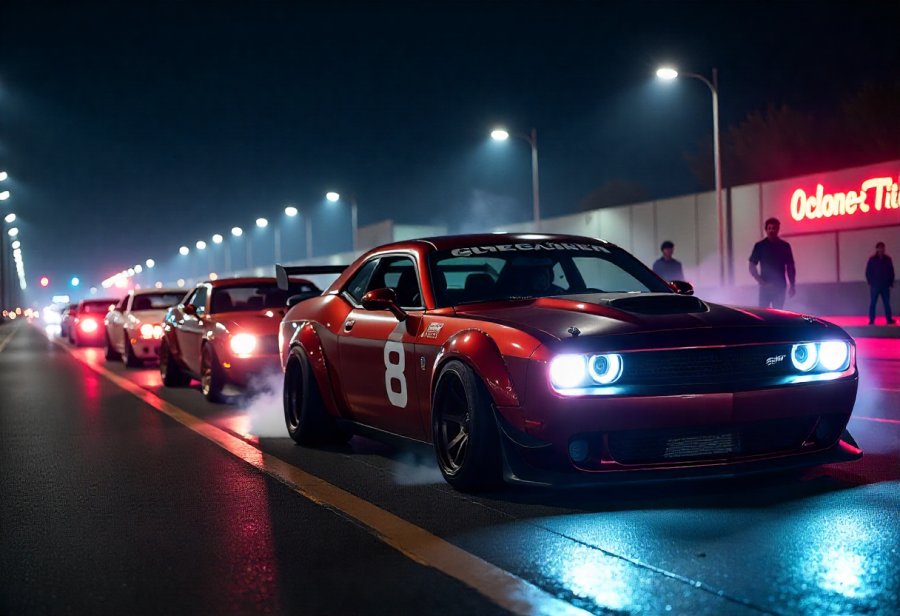
The landscape of underground street racing has undergone significant shifts, blending its rebellious roots with modern technology. While classic locations like abandoned industrial sites and quiet city streets still serve as race venues, the scene has become increasingly organized through digital channels. Encrypted messaging apps, private online forums, and secret social media groups now facilitate planning and coordination, allowing racers to stay one step ahead of law enforcement. This shift to digital communication has made the scene more connected and discreet, helping crews share tips, showcase modifications, and arrange clandestine events without exposing their locations.
Advances in vehicle technology are also redefining what it means to race underground. Drivers now leverage performance tuning software, custom hardware, and innovative modifications like turbochargers and ECU remapping to push their cars beyond traditional limits. These upgrades demand a high level of skill and creativity, elevating the competition and encouraging constant experimentation. As a result, the scene remains vibrant, with racers innovating and adapting faster than ever to stay competitive and relevant.
The demographic makeup of underground racers is broadening, reflecting a more diverse and inclusive community. Young enthusiasts from various backgrounds are drawn to the culture’s excitement and camaraderie, creating a dynamic mix of newcomers and seasoned veterans. Social media and video-sharing platforms connect these racers across cities and countries, transforming local scenes into a global network rooted in shared passion. This diversity strengthens the scene’s resilience, ensuring it continues to evolve despite external pressures.
Despite increased surveillance and stricter laws, underground racing remains remarkably resilient. Racers adapt by scouting new locations, developing covert communication methods, and employing technology to evade detection. These strategies, combined with a culture of loyalty and secrecy, keep the activity alive. Viral videos and media portrayals continue to glamorize street racing, attracting new participants and fueling the rebellious spirit. However, this visibility also prompts more caution, pushing racers to innovate further in how they organize and execute their events.
The scene’s evolution is about more than just staying hidden; it’s about pushing boundaries and reimagining what underground racing can be today. The fusion of traditional values with cutting-edge tech creates a culture that respects its history while embracing change. New generations of racers carry forward core principles like loyalty, craftsmanship, and brotherhood, even as they navigate a rapidly shifting landscape. This adaptability ensures that underground street racing remains a powerful expression of urban identity, personal freedom, and creative rebellion.
Looking ahead, technology and social trends will continue to shape the scene’s future. As more racers turn to digital tools and innovative modifications, the culture will evolve but never lose its core rebellious spirit. The bonds formed through shared experiences—on the streets or online—remain central to its identity. Despite ongoing challenges, underground racing’s ability to adapt and thrive highlights its enduring appeal. Its community endures because of the unbreakable brotherhood that keeps the scene alive, proving that speed is just one part of a much larger story of connection, loyalty, and resilience.
Building Trust and Camaraderie in the Racing Family
Building a strong racing brotherhood goes beyond simply showing up at meetups; it’s about forging genuine bonds that deepen trust and loyalty over time. Sharing experiences like group drives, car build sessions, or even casual hangouts creates a sense of camaraderie that extends well beyond the thrill of racing. These moments foster mutual respect and a feeling of belonging, turning a scene of speed into a family rooted in shared effort and collective pride.
Clear, open communication is crucial for maintaining these bonds. Many crews rely on encrypted chats and private forums to exchange updates, tips, and plans without risking exposure. These digital spaces become safe havens where members troubleshoot problems, celebrate victories, and support each other through setbacks. This ongoing dialogue strengthens trust and keeps relationships vibrant, even when physical meetups are hard to organize.
Loyalty is expressed through symbols, handshakes, and rituals that mark allegiance. These gestures aren’t just signs—they’re signals of trust, earned through dedication and shared effort. When members collaborate on car modifications or share tuning secrets, they deepen their bonds, transforming individual passions into collective pride. Such shared projects and exchanges reinforce a sense of unity rooted in craftsmanship and mutual respect.
Supporting each other during tough times sustains loyalty long-term. When a teammate faces legal trouble or mechanical failures, the community steps in—lending parts, offering advice, or providing moral support. These acts of loyalty turn individual struggles into collective resilience, strengthening the scene’s foundation. It’s this unwavering support that transforms a group of racers into a true family, capable of weathering external pressures.
Regular meetups—whether in secret locations or through discreet digital channels—keep relationships alive. Celebrating milestones, sharing new mods, or simply cracking jokes during late-night drives nurtures ongoing connections. When members stand by each other, protect secrets, and celebrate successes, loyalty becomes ingrained in the community’s fabric.
Car modifications serve as tangible symbols of allegiance. Investing time and resources into customizing a ride demonstrates dedication not only to craft but to the group. Sharing tips, collaborating on designs, and helping troubleshoot builds turn personal passion into shared achievement. These efforts foster trust and mutual pride, reinforcing the idea that everyone’s success is interconnected.
Over time, these bonds create a resilient network that withstands external threats like law enforcement crackdowns or societal disapproval. The community’s strength lies in relationships built on trust, rituals, and mutual support. This brotherhood isn’t just about racing; it’s about forging unbreakable ties that turn a scene of speed into a lifelong family. It’s these deep connections that keep underground racing vibrant and enduring, proving that loyalty and camaraderie are the true engines behind its staying power.
The Unbreakable Bonds That Define Underground Racing
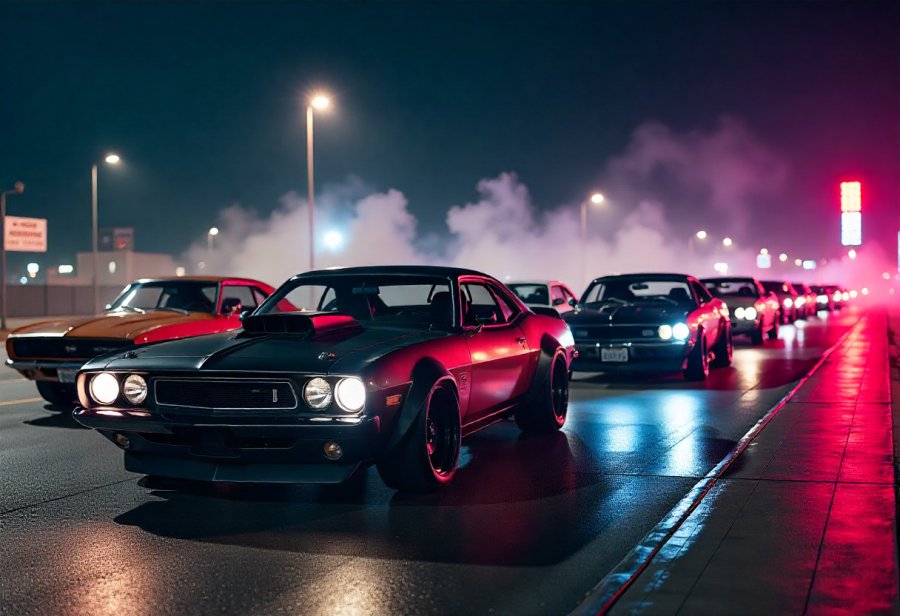
Underground street racing is about more than just the thrill of speed; it’s a powerful force that forges bonds far deeper than the asphalt. The shared adrenaline of late-night runs and the collective effort to modify and perfect cars create a sense of unity and trust among racers. These moments of intense collaboration build a brotherhood rooted in loyalty and mutual respect, turning a scene of rebellion into a genuine family.
The strength of these relationships withstands external pressures. Whether facing law enforcement crackdowns or societal disapproval, it’s the bonds formed through shared experiences that keep the community resilient. Acts of support—lending parts, sharing tips, or offering moral encouragement—transform individual pursuits into collective resilience. This web of trust sustains the scene, making it more than just a pastime; it’s a lasting culture built on loyalty.
Car culture plays a central role in strengthening these ties. Customizing a vehicle is an act of dedication that signals commitment to both craft and community. Helping each other with tuning, sharing design ideas, or collaborating on builds deepens trust and pride. These shared projects turn personal passion into collective achievement, reinforcing the idea that success is interconnected and that every member’s contribution matters.
Loyalty is also reinforced through rituals, secret meeting spots, and coded gestures that mark allegiance. These traditions create a sense of belonging, ensuring members feel secure and valued. When community members stand by each other during setbacks or protect secrets from outsiders, they nurture a culture where loyalty isn’t just a word—it’s the foundation of their collective identity.
Over time, these bonds create a resilient network capable of weathering challenges. Despite legal threats or societal disapproval, the community endures because of relationships rooted in trust, shared rituals, and mutual care. This brotherhood transforms a group of racers into a family that’s driven not just by speed but by unbreakable connections.
The scene’s endurance lies in these human ties. It’s the support, the shared victories, and the collective pride that make underground racing more than a fleeting adrenaline rush. It’s a testament to how loyalty and brotherhood turn a rebellious activity into a lasting culture, where the bonds formed on the streets become lifelong connections.
In essence, underground racing’s true power isn’t just in the engines roaring or the cars racing—it’s in the relationships that grow stronger with every mile. These unshakable ties turn speed into trust, competition into camaraderie, and individual pursuits into a shared legacy. Through loyalty, mutual support, and a deep sense of belonging, this underground community continues to thrive, proving that true brotherhood runs deeper than any race.