Learning to drive is more than mastering skills; it’s a profound emotional journey from anxiety to confidence. For teens, the road to independence is filled with nerves, fears of failure, and external pressures, raising the question: can confidence truly be cultivated amidst such internal struggles? This guide explores the nuanced emotional landscape teens face, highlighting how patience, supportive environments, and practical techniques—like visualization and gradual exposure—transform nervous energy into resilience. It also examines the future of driver education, where innovative virtual reality training and advanced vehicle safety systems promise to ease anxiety and foster safer, more confident drivers. By understanding the deep psychological layers behind nervousness and emphasizing holistic growth, parents and educators can better support teens in overcoming hurdles on and off the road. Ultimately, the journey isn’t just about driving—it’s about nurturing a resilient mindset to navigate life’s many challenges with composure and confidence.
Building Confidence Behind the Wheel: A Teen’s Journey to Independence
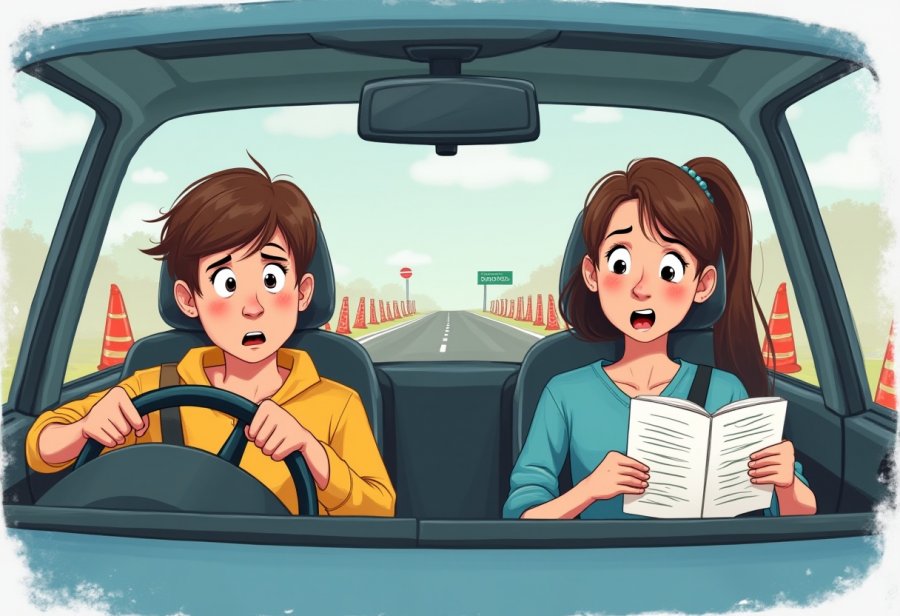
Learning to drive is about more than just turning a steering wheel or pressing the pedals. For teenagers, it’s a major step toward independence—a milestone that brings both excitement and nerves. Sitting behind the wheel for the first time often feels like stepping into unfamiliar territory, where pride mixes with anxiety. It’s natural for young drivers to feel uncertain, but understanding that these emotions are part of the process helps normalize their experience.
Confidence behind the wheel isn’t built overnight. It develops through a combination of skill mastery and emotional resilience. When teens believe in their ability to handle the road, they approach driving with a calmer, more positive attitude. This trust is cultivated over time, through patient practice, encouragement, and celebrating small successes. Creating a supportive environment where mistakes are seen as learning opportunities helps transform nervous energy into genuine confidence.
The emotional challenges teens face during this phase are just as important as the technical skills they learn. Fears of making mistakes or losing control can cause hesitation, hesitation that often grows into self-doubt. External pressures—like peer judgment or high expectations—add to this stress, making familiar situations seem intimidating. Recognizing these feelings as normal parts of growth allows parents and instructors to guide teens with empathy, helping them develop the mental strength needed to face new driving challenges.
Building confidence is a gradual process that involves facing fears step by step. Starting in quiet neighborhoods or empty parking lots allows teens to focus on basic skills without feeling overwhelmed. As they grow more comfortable, they can take on busier streets and more complex scenarios. Each successful drive reinforces their abilities and helps shift their mindset from fear to competence. Over time, this steady exposure nurtures a sense of trust in their skills and encourages a resilient attitude that extends beyond driving.
Ultimately, developing confidence behind the wheel is about more than just learning how to operate a vehicle. It’s about helping teens see themselves as capable and resilient, ready to handle the emotional ups and downs of independence. Supporting them through this journey builds a foundation not only for safe driving but also for tackling future challenges with confidence and self-assurance.
Decoding Teen Nervousness: Emotional and Psychological Barriers to Confidence
Understanding what makes teen drivers nervous goes beyond just fearing accidents or losing control. It dives into the deeper emotional and psychological layers that influence their confidence behind the wheel. For many teens, driving is one of their first big tests of independence, bringing feelings of vulnerability, self-doubt, and high expectations. These internal struggles can turn familiar driving tasks into sources of anxiety, making even simple maneuvers seem daunting.
Peer influence plays a significant role in shaping a teen’s driving confidence. Young drivers are acutely aware of how they are perceived by friends, which can amplify their stress. The desire to impress or avoid embarrassment often heightens nervousness, especially in situations where mistakes might be visible. At the same time, internal pressure to demonstrate maturity or responsibility adds mental weight, making every decision feel more consequential. When their self-belief is fragile, these external and internal pressures can cause hesitation or overthinking.
Fear of failure is another common hurdle. Teens know that learning to drive involves a learning curve, and mistakes are inevitable. Yet, their internal dialogue often interprets errors as signs of inadequacy rather than normal parts of growth. This fear can cause them to second-guess themselves, hesitate at crucial moments, or avoid more challenging driving scenarios altogether. Over time, such mental barriers chip away at confidence, reinforcing doubts about their ability to handle real-world driving independently.
A teen’s personality and past experiences also shape how they respond emotionally. Perfectionists or those prone to self-criticism may feel overwhelmed even by minor mistakes, while resilient teens tend to bounce back quickly. Their interpretation of setbacks influences their confidence—viewing errors as opportunities to learn instead of proof of failure. Recognizing these differences helps adults support teens more effectively by fostering emotional resilience and encouraging a growth mindset.
The broader developmental stage of adolescence further influences how teens perceive driving challenges. As they navigate identity and emotional fluctuations, unfamiliar or stressful situations can seem even more intimidating. Their heightened sensitivity to social dynamics and self-image can cause overreactions to minor setbacks or feelings of being overwhelmed. Understanding this emotional context helps caregivers guide teens in transforming nerves into steady confidence.
Supporting teens in overcoming these emotional hurdles involves addressing fears directly and creating a safe space for growth. Techniques like deep breathing before driving or visualization exercises can calm nerves and boost mental preparedness. When teens learn to see mistakes as part of the learning process, their confidence gradually solidifies. This emotional groundwork is crucial, as it turns apprehension into resilience, empowering them to face new driving experiences with a calmer mindset.

Practical Strategies to Boost Teen Driving Confidence Step by Step
Applying confidence-boosting techniques in real driving situations begins with creating a supportive environment. Starting in familiar, low-pressure settings like quiet neighborhoods or empty parking lots allows teens to focus on building essential skills such as smooth acceleration, gentle braking, and controlled steering without feeling overwhelmed. These calm spaces give them a safe space to develop muscle memory and trust in their abilities before tackling busier streets or complex traffic scenarios.
As their skills improve, setting small, clear goals keeps motivation high. Whether mastering parallel parking or confidently navigating a busy intersection, celebrating these wins reinforces a positive mindset. Praising effort over perfection helps teens see mistakes as natural steps in learning, rather than failures. This approach transforms nervousness into curiosity and resilience, encouraging them to gradually push their boundaries with confidence.
Addressing fears directly makes a noticeable difference. Simple techniques like deep breathing before starting a drive can calm nerves, while visualization—imagining themselves successfully handling turns or merging onto highways—prepares their mind for real challenges. These mental exercises shift focus from anxiety to readiness, making each drive feel a little less intimidating. Incorporating such practices regularly can gradually replace hesitation with a sense of calm competence.
Gradually exposing teens to more demanding driving environments is key. Once they’re comfortable in quiet areas, slowly introducing them to busier streets, highway merges, or urban driving helps build resilience step by step. During these transitions, reassurance is vital—reminding them that mistakes are normal and part of the learning process. Repeating these experiences in a positive, controlled way helps nerves diminish and confidence grow, making each new challenge more manageable.
Support doesn’t end during practice. Using resources like driving apps, online tutorials, or simulated scenarios can reinforce skills and familiarize teens with various situations. These tools foster a sense of mastery that translates into calmer, more confident driving. Keeping open lines of communication about their feelings and progress further boosts emotional resilience, helping nervous energy transform into genuine self-assurance that lasts beyond initial lessons.
Applying Confidence Techniques: A Guide for Parents, Instructors, and Teens
Applying confidence-boosting techniques in real driving situations starts with creating a supportive environment. Begin in familiar, low-pressure settings like quiet neighborhoods or empty parking lots. These calm spaces allow teens to focus on fundamental skills—such as smooth acceleration, gentle braking, and controlled steering—without the added stress of traffic. Practicing in these environments helps them build muscle memory and trust in their abilities, setting a solid foundation before moving on to more complex roads.
As confidence grows, set small, achievable goals to keep motivation high. Whether it’s mastering parallel parking or navigating a busy intersection, celebrating these milestones reinforces a positive outlook. Emphasizing effort over perfection encourages teens to view mistakes as natural parts of the learning process, transforming nervous energy into curiosity and resilience. This mindset helps them approach each new challenge with a sense of readiness rather than fear.
Addressing fears directly can make a significant difference. Techniques like deep breathing exercises before starting a drive help calm nerves, while visualizing successful maneuvers—such as confidently merging onto a highway—prepares their mind for real-world scenarios. These mental strategies shift focus from anxiety to preparedness, gradually reducing feelings of intimidation. Incorporating them consistently makes each drive a little easier and more manageable.
Gradual exposure to more demanding driving environments is essential. Once teens are comfortable in quiet areas, introduce busier streets, highway merges, or urban driving in small steps. During these transitions, reassurance is crucial—reminding them that mistakes are normal and part of the learning journey. Repeating these experiences in a positive environment helps nerves diminish and confidence strengthen, making each new situation feel less daunting.
Support doesn’t end with practice sessions. Utilizing resources like driving apps, online tutorials, or simulated scenarios can reinforce skills and familiarize teens with various driving conditions. These tools foster a sense of mastery and preparedness, boosting their confidence before facing similar challenges in real life. Encouraging ongoing learning outside of actual driving builds a resilient mindset that translates into calmer, more confident driving.
Maintaining open communication is vital. Regularly check in with teens about how they feel and listen without judgment. Validating their worries and celebrating progress creates a safe space for emotional growth. When teens feel supported and understood, their nerves are more likely to turn into steady confidence, making each drive an opportunity to learn and grow.
Finally, patience and consistency are key. Confidence doesn’t develop overnight, but with steady practice, supportive guidance, and mental preparedness, teens can transform nervousness into self-assurance. By applying these strategies thoughtfully and persistently, parents and instructors help teens not only become safer drivers but also more resilient individuals ready to face future challenges on and off the road.

Looking Ahead: The Future of Teen Driver Confidence and Education
As we look toward the future, the landscape of teen driver education is set to evolve significantly, driven by technological innovations and a deeper understanding of emotional resilience. Virtual reality training is becoming more accessible, offering teens immersive, risk-free environments to practice a wide range of driving scenarios. This hands-on approach helps build familiarity and confidence, reducing anxiety before they even get behind the wheel in real traffic. Simultaneously, vehicles equipped with advanced driver-assistance systems—like automatic braking, lane-keeping assist, and collision alerts—are becoming standard, providing an extra layer of safety and reassurance for new drivers navigating unfamiliar roads.
Beyond technology, there’s a growing emphasis on nurturing emotional resilience within driver training programs. Recognizing that confidence isn’t solely about technical skill but also about managing nerves and setbacks, educators are integrating psychological tools that promote a growth mindset. Techniques such as positive self-talk, visualization, and stress management are now part of many curricula, helping teens interpret mistakes as valuable learning opportunities rather than failures. This holistic approach not only produces safer drivers but also fosters personal growth, equipping teens with skills that extend well beyond the driver’s seat.
The role of parents, schools, and communities remains crucial in shaping a positive driving experience. When all stakeholders focus on reinforcing progress, resilience, and responsibility, teens are more likely to develop lasting confidence. Structured programs that combine gradual exposure to complex traffic situations with ongoing emotional support are proving particularly effective. As resources expand and new partnerships form, the goal is to make learning to drive an empowering journey—one that balances skill development with emotional growth.
Looking ahead, the transition from nervous beginner to confident adult driver will continue to benefit from these innovations. The integration of virtual reality and advanced vehicle systems, along with an emphasis on mental well-being, promises a more supportive and effective learning process. By fostering environments that prioritize patience, encouragement, and resilience, we can help teens approach driving—and future challenges—with a steadier, more optimistic outlook. Supporting their growth now not only leads to safer roads but also cultivates resilient, responsible individuals prepared to navigate life’s many journeys with confidence and ease.