What if the greatest barrier to learning to swim at any age is simply taking that first courageous step? This inspiring guide reveals how water, once a source of fear, can become a space of confidence and freedom through small, manageable stages. From nervous beginners sitting at the pool’s edge to those floating with newfound trust, the journey is about patience, persistence, and gradual trust-building. With a rich historical backdrop showing water skills’ vital role across cultures and modern norms emphasizing inclusivity and safety, the path forward is now more accessible than ever. Advances in technology, personalized learning, and adaptive techniques are opening new doors for diverse learners, from children to seniors. Could these innovations unlock lifelong joy and safety in water for everyone? Learning to swim is more than a skill—it’s a transformational experience that empowers us to embrace water with confidence, curiosity, and joy.
Transform Water Fears into Confidence at Any Age
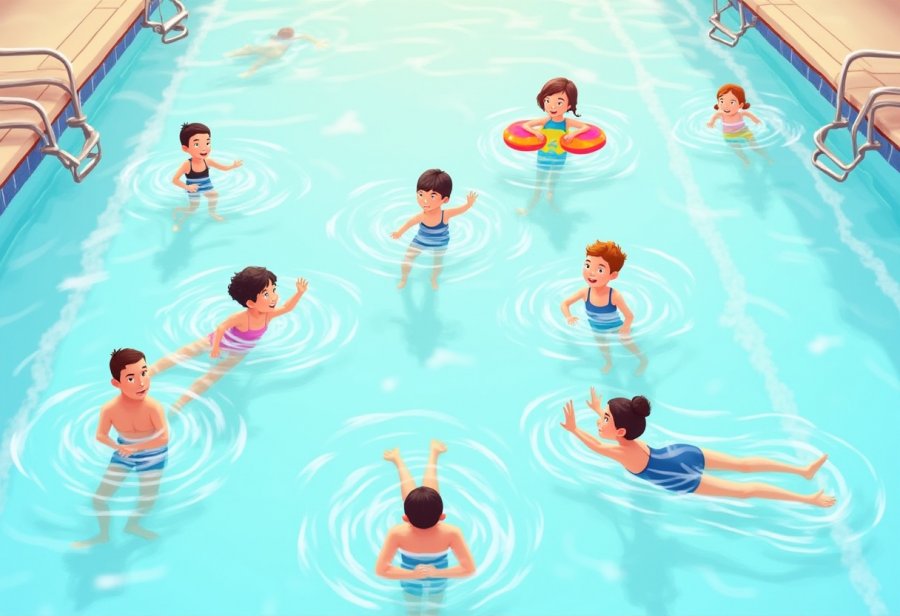
Learning to swim isn’t just about mastering a new skill; it’s about transforming how you see water and your relationship with it, no matter your age. For many adults, stepping into a pool can stir up nerves or old fears. But those initial hesitations are often the hardest part—and once you push through them, a whole new world opens up. Water shifts from a source of anxiety to a space of confidence and freedom, and anyone can start this journey at any stage of life.
Taking that first step might seem daunting, especially if water anxiety has built up over years. However, simple actions like sitting at the pool’s edge, splashing your face, or floating for a moment help lay a solid foundation. These small victories build trust in your body and help you become comfortable with water’s rhythm. Every time you relax a little more, your confidence grows, making the next step easier.
Remember, learning to swim is a personal process, not a race. It’s about patience and persistence, gradually replacing fear with familiarity. Support from instructors, friends, or family can make a big difference, providing encouragement and reassurance along the way. As you become more at ease, the initial hurdles fade, revealing water as a safe, enjoyable space rather than a threat.
This journey isn’t reserved for children; adults often find that their fears stem from misconceptions or past experiences, not an innate inability. With consistent practice and a supportive environment, those fears can dissipate, replaced by feelings of empowerment. Every small step—like mastering breathing techniques or floating—reinforces your trust in water and yourself, turning anxiety into confidence.
The beauty of learning to swim at any age is that each small victory sets the stage for lifelong enjoyment and safety. Once you’ve taken that crucial first step, the path forward becomes clearer. Water becomes less a source of fear and more a space of exploration, health, and joy. Starting today might just be the most important move you make toward a future where water confidence is within reach for everyone.
Tracing the Roots: The Rich Cultural History of Swimming
Swimming has a history that stretches back thousands of years, serving both practical needs and cultural purposes across many civilizations. In ancient Egypt, Greece, and China, water skills were essential for daily survival—helping people cross rivers, fish, or escape danger. Over time, these skills also took on social and ceremonial significance, becoming part of festivals, athletic competitions, and spiritual rituals. As societies evolved, so did the emphasis on formal instruction, especially during the 19th century, when public pools and organized classes began to emerge. These early efforts focused on safety, rescue techniques, and laying the foundation for recreational and competitive swimming.
In many cultures, swimming was more than just a survival skill; it was a way to build community and reinforce social bonds. The Greeks celebrated swimming as a sport in athletic festivals, while in China, water symbolized purity and renewal in spiritual practices. These cultural connections helped embed water skills into daily life, making them a vital part of social identity. As civilizations became more interconnected, the need for standardized teaching methods grew, making swimming more accessible and inclusive for broader populations.
Modern swimming education gained momentum in the late 1800s and early 1900s, with the rise of public pools and organizations like the YMCA and Red Cross. These groups developed structured lessons that prioritized safety and basic techniques, encouraging gradual exposure—starting in shallow water and building confidence. This shift from informal teaching to systematic programs made swimming safer and more approachable, especially for beginners of all ages.
Throughout the 20th century, innovations in swimwear, pool technology, and rescue techniques transformed how we learn to swim. Improvements like better fabrics, goggles, and pool designs made practice more comfortable and enjoyable. Meanwhile, advances in lifesaving skills helped reduce drownings and promoted water safety as a shared societal goal. These developments fostered a culture where swimming became a lifelong activity—enjoyed across generations and around the world.
Today, water skills carry deep cultural significance, especially in coastal and river-based communities. Swimming is often woven into local traditions, festivals, and everyday routines, symbolizing vitality and freedom. The ongoing evolution of water education blends tradition with modern innovation, ensuring that learning to swim remains relevant and accessible. Technological advances like virtual reality, video analysis, and adaptive tools continue to shape how people develop water confidence, making it easier to overcome fears and learn effectively.
As the focus shifts toward inclusivity and lifelong learning, swimming education is becoming more dynamic. Programs now aim to reach diverse groups—children with special needs, older adults, and people from different cultural backgrounds—using adaptive techniques and digital tools. These efforts help break down barriers, ensuring that everyone has the opportunity to enjoy the benefits of water confidence. The history of swimming reminds us that this skill has always been a vital part of human development, continuously evolving to meet new needs.
Looking ahead, the future of swimming education will likely be shaped by emerging technologies and a stronger emphasis on inclusivity. Virtual and augmented reality environments will offer safe, immersive practice spaces that ease anxiety and build trust. Personalized training, driven by artificial intelligence, will tailor lessons to individual progress, making learning more engaging and effective. This ongoing innovation promises to make water confidence a universal skill—accessible, enjoyable, and lifelong—spanning cultures and generations.
Modern Attitudes: Embracing Water Confidence Today
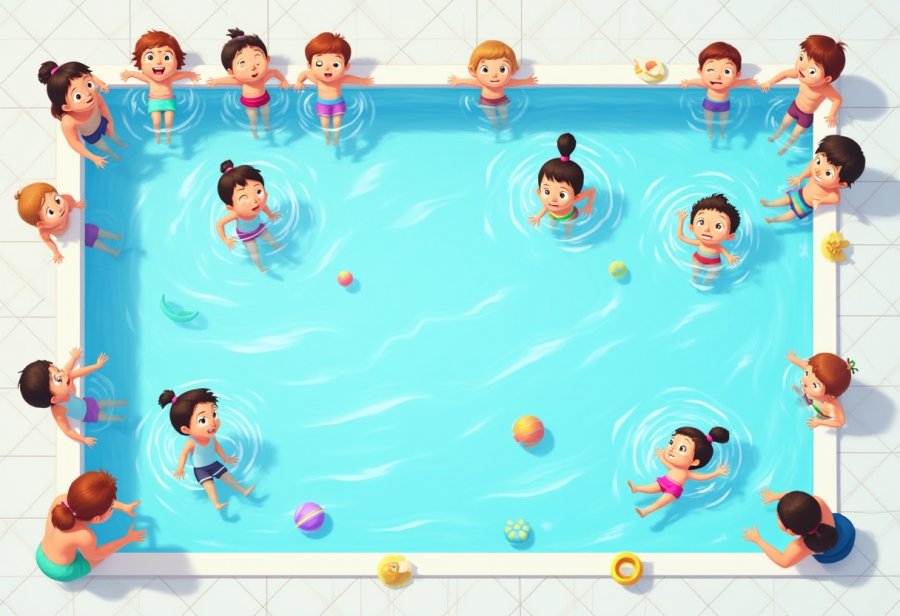
Today, swimming is widely recognized as both a crucial safety skill and a popular form of recreation. Society increasingly emphasizes the importance of water confidence, especially in regions surrounded by lakes, beaches, and pools. Public awareness campaigns and community programs highlight that learning to swim can prevent drownings and promote safety across all ages. Whether through structured lessons in local pools or casual sessions at beaches or gyms, making water skills accessible and inviting has become a top priority. This shift reflects a growing understanding that everyone can benefit from feeling comfortable in water, regardless of their background or age.
Modern teaching approaches focus on gentle, gradual skill development. Instructors typically start with simple exercises like floating, controlled breathing, and kicking in shallow water. The goal is to foster a sense of ease rather than overwhelm learners. Visual aids, demonstrations, and videos help reinforce techniques, while group settings create a supportive environment for practice. Private coaching offers tailored guidance for those who need extra reassurance. Patience and steady progress are emphasized, ensuring learners gain confidence without pressure, making the experience positive and encouraging.
Inclusivity has become a central theme in today’s swimming education. Programs now serve diverse groups, including children with special needs, seniors, and individuals from different cultural backgrounds. Adaptive tools like modified flotation devices and customized techniques help everyone participate comfortably. Online tutorials, mobile apps, and virtual coaching expand access, allowing learners to practice at their own pace and in environments where they feel safest. These innovations break down longstanding barriers, making water confidence attainable for all.
Safety remains at the core of modern instruction. Reputable swim schools prioritize secure environments—clean pools with proper safety equipment and attentive supervision. Beginners are encouraged to start in shallow water, building trust gradually before progressing. Floatation aids like kickboards and life vests are common, but the focus is on reducing reliance on them as skills improve. Consistent supervision and adherence to safety protocols create a positive learning atmosphere, reducing anxiety and fostering trust in water.
Today’s landscape of swimming education blends tradition with innovation. While foundational methods such as gradual exposure and safety remain essential, new technologies and inclusive practices are transforming how people learn to swim. Virtual reality, mobile apps, and adaptive equipment make the process more engaging and accessible, helping learners overcome fears and develop water confidence more effectively. The focus has shifted from technical mastery to fostering enjoyment, trust, and lifelong comfort in water.
This approach aims to reach individuals at every age and ability level. Schools, community centers, and workplaces increasingly incorporate swimming into health and safety initiatives. The goal is to make water confidence a universal skill, reducing accidents and promoting active, water-based lifestyles. As awareness around water safety grows, these efforts will help more people experience the joy and security that come with being comfortable in water.
Ultimately, the attitude today is clear: anyone can learn to swim. Building trust and reducing fear are now prioritized over perfect technique. This shift makes swimming more approachable and encourages a lasting, positive relationship with water. It’s about creating a culture where water is seen as a space of safety, health, and enjoyment—accessible to everyone, everywhere.
Everyday Benefits: Applying Swimming Skills in Life and Recreation
Once you’ve built a solid foundation of water confidence, the real benefits quickly become clear in everyday situations. Whether at the beach, a lake, or a backyard pool, knowing how to swim allows you to enjoy water activities safely and with peace of mind. Falling into water becomes less a cause for panic and more an opportunity to stay calm, float, and find your way to safety. This sense of security is especially valuable for families, helping children and adults alike avoid accidents and handle unexpected situations with confidence.
Swimming also offers a low-impact, full-body workout that fits easily into daily routines. Many adults incorporate laps or water aerobics into their fitness plans, making exercise both accessible and enjoyable. Because the water supports your body, it reduces joint strain while improving strength, endurance, and flexibility. Joining a local swim group or taking part in community classes can turn exercise into a social activity, making it easier to stay motivated and consistent. These practical skills and habits extend beyond the pool, encouraging healthier, more active lifestyles.
Beyond safety and fitness, water confidence opens the door to a wide range of recreational pursuits. Activities like kayaking, paddleboarding, snorkeling, and sailing become accessible once you’re comfortable in the water. These hobbies not only foster a deeper connection with nature but also add a sense of adventure to your life. Sharing these experiences with friends or family creates lasting memories and strengthens bonds, all built on the trust and comfort developed through swimming skills. Whether exploring calm lakes or ocean waves, confident swimmers can enjoy water’s many pleasures more fully.
For parents and guardians, learning to swim provides an added layer of reassurance. When adults are comfortable in water, they can supervise children more effectively and set positive examples for early water education. This shared confidence helps create a safer environment where kids feel encouraged to explore and learn without fear. It also reduces stress during family outings, making water-based activities more fun and less intimidating. Building this safety net benefits everyone and fosters a culture of awareness and preparedness.
Finally, knowing how to swim equips you with essential rescue skills that can make a real difference in emergencies. Being able to float, tread water, or assist someone in distress transforms water from a potential danger into a space of empowerment. These abilities aren’t just about personal safety—they’re about helping others and preventing accidents. As water confidence grows, so does your ability to respond effectively in critical moments, turning fear into strength. Learning to swim isn’t just a skill; it’s an investment in safety, enjoyment, and lifelong confidence in water.
Innovating the Future: Trends and Technologies in Water Confidence
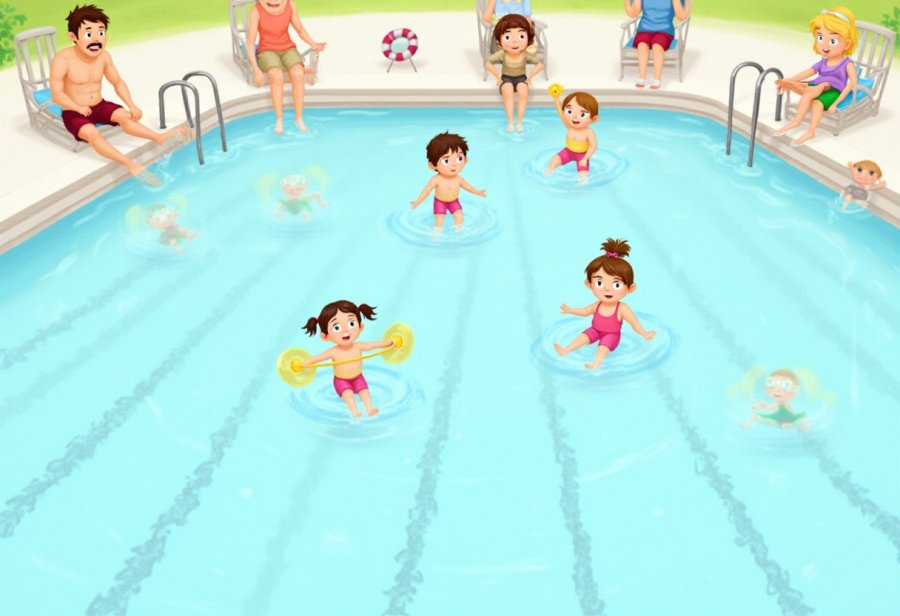
The future of swimming confidence is set to be shaped by exciting technological advances and a stronger push for inclusivity. Virtual reality (VR) and augmented reality (AR) are starting to create immersive environments where learners can practice water skills safely before stepping into real pools. These tools help reduce anxiety by simulating water settings, easing the transition from theory to practice and building trust gradually. Wearable devices like smartwatches and motion sensors provide real-time feedback, helping learners refine their techniques more efficiently and confidently.
Personalized learning platforms driven by artificial intelligence (AI) are also on the rise. These systems adapt training programs to individual needs, making the journey more engaging and less frustrating. Virtual environments that mimic lakes, oceans, or rivers from home are becoming more realistic, offering a gentle way to expose learners to different water conditions. This technology is especially beneficial for those with water fears, giving them a safe space to build familiarity and trust at their own pace.
Inclusivity remains a core focus as innovations continue. Adaptive techniques and specialized equipment—such as modified flotation devices—are making it possible for people with physical or psychological barriers to develop water confidence. Online tutorials, mobile apps, and virtual coaching extend access to those who might otherwise feel excluded. These developments help break down longstanding barriers, ensuring everyone has the chance to enjoy water safely and comfortably.
Community programs and safety initiatives are integrating these new tools and inclusive practices to foster ongoing learning. Workshops and campaigns now emphasize not just technical skills but also creating positive, supportive environments that nurture lifelong water confidence. As global awareness around water safety grows, these efforts aim to reduce accidents and inspire more people to see water as a space of enjoyment and empowerment rather than fear.
Early intervention and continuous education will remain key pillars moving forward. Schools, workplaces, and community centers are increasingly incorporating swimming into health and safety programs, making water confidence a standard skill across all ages. The goal is to help everyone—from children to seniors—feel comfortable and safe in water, encouraging active lifestyles and reducing risks. This broader approach emphasizes trust, joy, and safety as the true markers of successful water education.
Advances in technology and a focus on inclusivity promise a future where learning to swim is more accessible, engaging, and personalized. Learners of diverse backgrounds and abilities will find it easier to overcome fears and develop lasting skills. As these innovations unfold, water confidence will become a universal, lifelong gift—breaking down barriers and opening up new worlds of health, adventure, and connection for all.