Mastering the art of calm, focused dog walks not only enhances your pet’s behavior but also deepens the bond of trust and mutual respect. Imagine transforming chaotic, pulling outings into peaceful, enjoyable moments—are you ready to unlock this rewarding connection? This guide reveals proven techniques to teach your dog to walk politely beside you, emphasizing patience, positive reinforcement, and consistent cues like “heel” and “focus.” As you gradually introduce distractions, practice in diverse environments, and handle setbacks with calm redirection, your dog will learn resilience and self-control. The journey involves thoughtful investment in equipment, occasional professional guidance, and ongoing patience, but the rewards—more relaxed walks, fewer frustrations, and stronger companionship—are well worth it. When both of you are aligned in calmness and trust, every outing becomes an opportunity for joyful bonding, turning everyday routines into shared victories. Are you prepared to turn ordinary walks into extraordinary moments of connection?
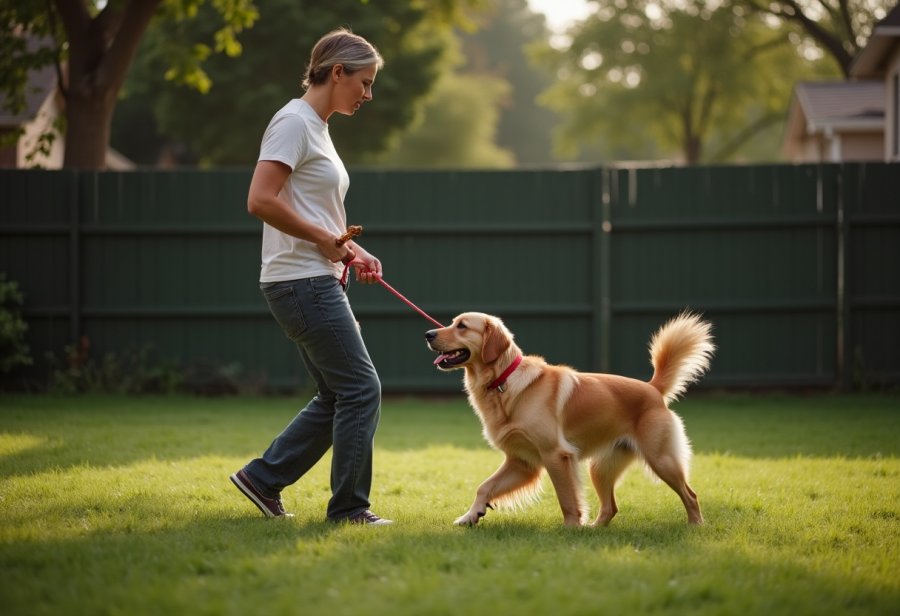
Transform Your Walks: Unlock the Power of Calm, Focused Dog Walking
Taking a calm, focused walk with your dog might seem straightforward, but it’s actually one of the most valuable skills you can develop as a pet owner. When your dog walks beside you with attention and composure, the whole experience becomes more relaxed and enjoyable. It reduces pulling, lunging, and distractions that can turn a walk into a stressful ordeal. Instead, it transforms into a shared moment of trust and connection, where both of you feel more at ease.
A focused walk isn’t just about good manners; it’s about building communication and mutual respect. When your dog learns to stay attentive and calm, they start to see walks as a positive part of their day, not a chaotic event. This sense of calm helps your dog feel safe and confident, especially in unfamiliar or busy settings. As their behavior improves, your outings become more predictable and pleasant, strengthening your bond.
Achieving this level of calm takes patience and consistent effort, but the rewards are well worth it. A well-trained, relaxed dog is happier, healthier, and more balanced. For you, it means fewer frustrations and more peaceful walks filled with genuine connection. These moments of cooperation turn routine outings into opportunities for bonding, making each walk something your dog looks forward to—and you enjoy more.
Every successful walk begins with a solid foundation. By focusing on gentle, positive techniques that reinforce calmness, you help your dog develop lifelong habits of focus and relaxation. Over time, these small steps add up, turning everyday walks into harmonious shared experiences built on trust. With patience and consistency, you and your dog can enjoy peaceful, rewarding outings that deepen your relationship and bring genuine joy to both of you.
Building Trust and Foundation: The Significance of Calm Walks and Effective Training
Calm walks with your dog are more than just a pleasant way to spend time outdoors—they’re a vital part of effective training and building a strong, trusting relationship. When your dog learns to walk calmly, it’s a sign that there’s clear communication and mutual respect. This makes each outing smoother and more enjoyable, reducing chaos and frustration for both of you.
Teaching your dog to stay relaxed and focused begins with establishing a foundation of trust. Commands like “heel” and “focus” serve as guiding tools, helping your dog understand what behavior is expected. Reinforcing these cues with treats and praise creates positive associations, encouraging your dog to repeat calm, attentive actions. This approach fosters a safe environment where your dog is eager to learn and respond.
Dog training has come a long way from older, harsher methods that relied on dominance and punishment. Today, positive reinforcement is the gold standard, emphasizing gentle guidance and rewards. These techniques not only make training more humane but also strengthen the bond between you and your pet, making progress more reliable and enjoyable.
Understanding key terms like “heel” and “focus” helps you communicate more effectively. When your dog walks close beside you without pulling, it signals trust and cooperation. Consistently rewarding this behavior builds confidence and self-control, essential for navigating busy streets or crowded parks.
Creating a calm walk environment starts with your own attitude. Dogs are perceptive and tend to mirror your energy. Maintaining a calm, confident demeanor encourages your dog to remain relaxed, even amidst distractions. Clear, steady commands combined with immediate praise reinforce good behavior and make training feel natural and rewarding.
Gradually, you can introduce more challenging scenarios, like encountering other dogs or loud noises. These steps are essential for generalizing calm behavior across different environments. Patience and consistency help your dog adapt, turning stressful situations into opportunities for trust-building.
Every walk becomes a chance to deepen your connection. When your dog feels safe and supported, they’re more likely to stay attentive and relaxed. This mutual trust transforms routine outings into meaningful moments of cooperation, making every walk something both of you look forward to.
Mastering the Art: In-Depth Techniques for Teaching Calm Walking
Teaching your dog to walk calmly alongside you involves a combination of clear techniques and patience. Start with a consistent command like “heel,” paired immediately with treats or praise to reinforce the behavior. This immediate positive feedback helps your dog associate walking nicely at your side with rewards, making it more likely they’ll repeat the action. Proper leash handling is equally important—keep the leash slack with gentle, steady tension, avoiding jerks or yanks that can cause confusion or frustration. Your calm demeanor sets the tone, as dogs are highly perceptive of your energy and tend to mirror your confidence.
Breaking training into manageable steps makes progress smoother. Begin in quiet, distraction-free environments, then gradually introduce busier settings as your dog’s focus improves. When your dog pulls or gets distracted, use a gentle redirect with a cue or treat, then reward once they refocus. Consistency across sessions is key; using the same commands and rewards helps your dog understand expectations faster. Patience is essential—some days will go better than others—but maintaining a positive attitude keeps the training enjoyable and effective.
Short, frequent training sessions—around five to ten minutes—are more effective than long ones. This approach keeps your dog engaged and prevents fatigue or boredom. If your dog struggles with distractions like other dogs or loud noises, take a step back and work in calmer environments before reintroducing more challenging situations. Over time, this gradual exposure builds confidence and helps your dog learn to stay relaxed regardless of the surroundings.
Use variety in locations to prevent your dog from associating calm walking only with certain places. Practicing in different parks, streets, and urban settings ensures calm behavior becomes a natural response. Consistency and patience help your dog generalize this behavior, making peaceful walks the norm. Remember, setbacks are normal; respond with calm redirection and gentle persistence, reinforcing that good manners lead to positive experiences. With steady effort, these techniques will turn walks into shared moments of trust and tranquility, strengthening your bond and making every outing a pleasure.
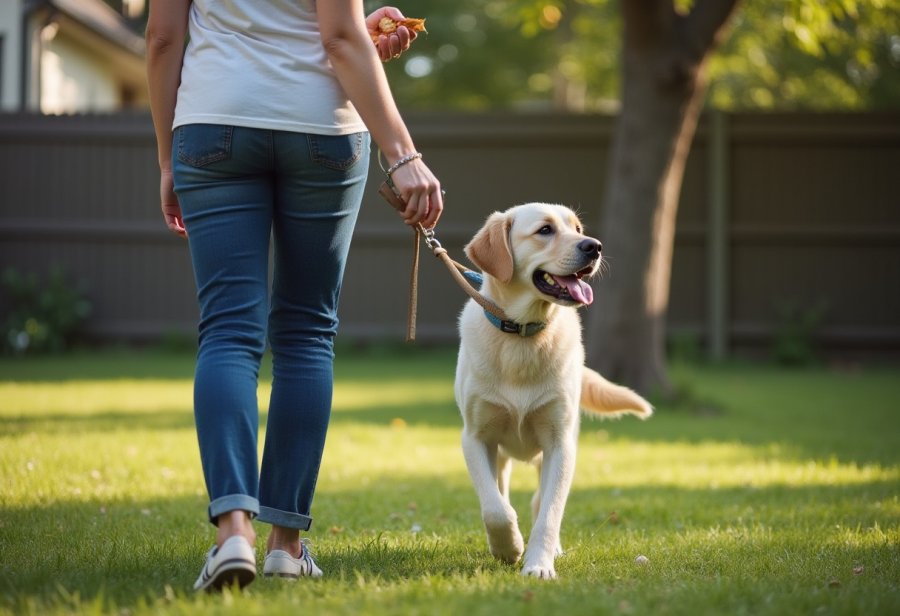
Real-World Success: Applying Calm Walk Strategies in Daily Adventures
Practicing calm walking techniques in real-world scenarios can make a big difference in how smooth and enjoyable your outings become. Start in quiet neighborhoods or familiar parks where distractions are minimal, giving your dog the chance to focus without feeling overwhelmed. As your dog gains confidence, gradually move to busier places like bustling streets or crowded parks, rewarding patience and attentiveness along the way. This step-by-step approach helps your dog learn relaxation across different environments, making transitions more natural and stress-free.
When unexpected distractions pop up—like a squirrel darting across the path or loud noises from passing cars—stick to your training plan. Use your cues, such as “heel” or “focus,” and reward your dog for responding calmly. If they get distracted, gently redirect their attention with treats or verbal cues, then praise once they refocus. These moments reinforce that staying attentive and relaxed leads to positive outcomes, even when chaos surrounds you.
Exposing your dog to various settings not only builds their confidence but also reduces reactivity to sights and sounds they might find unsettling. By practicing in different parks, neighborhoods, and urban environments, you help your dog generalize calm behavior, making peaceful walks a regular part of your routine. Consistency across these outings turns calm behavior into a reliable habit, transforming walks from stressful chores into enjoyable bonding experiences.
Every outing becomes an opportunity to deepen your connection. Use these real-world scenarios to practice patience, reinforce commands, and celebrate progress. Your calm presence reassures your dog, encouraging them to stay attentive even when surprises occur. Over time, these shared experiences strengthen trust and cooperation, turning what once felt challenging into moments of mutual achievement.
Remember, setbacks are normal and part of the learning process. When your dog struggles, remain patient and respond with redirection rather than frustration. Simplify the environment if needed, reducing distractions to help your dog regain focus. These small adjustments, applied consistently, foster resilience and help your dog learn to stay calm in a variety of situations.
With ongoing practice and gentle persistence, your dog will become more adaptable and confident. This consistency not only makes walks more peaceful but also deepens your bond. As calmness becomes the default response, routine outings evolve into shared adventures filled with trust, understanding, and joy—making every walk a rewarding experience for both of you.
Budget-Friendly Tips: Costs of Equipment, Training, and Maintaining Calm Walks
Training your dog to walk calmly and focus during outings involves some initial investments, but understanding these costs helps you plan effectively. Essential equipment like a well-fitting harness or a no-pull collar, along with a sturdy leash, can range from $10 to $30 for quality options. These tools set the foundation for safe and effective training, making the process smoother and more comfortable for both you and your dog.
Investing in professional training classes or hiring a trainer can vary widely—from around $100 for group sessions to several hundred dollars for personalized coaching. While these expenses might seem significant upfront, they often fast-track progress, ensuring your dog learns good habits more reliably and with less frustration. This can save money and time in the long run, and produce better results.
Treats and reinforcement tools are ongoing costs that play a crucial role in training. High-quality treats typically cost about $10 to $20 per bag and last through many sessions, keeping your dog motivated. Adding a clicker or other training aids around $10 to $20 can further enhance your ability to reinforce desired behaviors efficiently. Regularly budgeting for treats ensures your dog remains engaged and eager to learn.
Beyond basic gear, consider extras like toys, calming sprays, or calming collars, which can support behavior management. These small additions can make a difference, especially if your dog exhibits reactivity or anxiety. Planning for these potential expenses helps keep training consistent and effective, creating a more peaceful walking experience.
Online programs and group classes often offer cost-effective alternatives to individual training. Many community organizations or shelters provide low-cost or free workshops for new dog owners. These resources can provide valuable guidance without stretching your budget, making professional help accessible and practical.
Long-term maintenance involves occasional replacements—such as worn-out collars or leashes—and replenishing treats. Choosing durable, humane equipment reduces the need for frequent replacements, saving money over time. Viewing these costs as investments in your dog’s well-being turns training into a sustainable, rewarding process that leads to calmer, happier walks for years to come.
Taking Action: Implementing Your Calm Walking Training Plan with Confidence
Executing your training plan effectively hinges on consistency, patience, and keen observation during each walk. Dedicate specific times daily to practice, making training a natural part of your routine rather than an extra task. Keep commands clear and calm, rewarding your dog immediately for correct responses to reinforce good habits. Short sessions of five to ten minutes maintain your dog’s focus and prevent fatigue, ensuring each outing feels purposeful and engaging.
Your calm presence sets the tone. Dogs are highly perceptive and tend to mirror your energy; approaching training with patience and confidence encourages your dog to stay relaxed. When distractions arise, such as pulling or zoning out, pause gently and redirect with your cues or treats. Avoid frustration or harsh corrections—they undermine trust and slow progress. Instead, guide your dog back to focus calmly, celebrating small successes along the way.
Track your progress by noting how your dog responds across different environments and situations. This insight helps you adjust your approach, whether by increasing difficulty gradually or simplifying the environment when needed. Practicing in various locations—parks, streets, urban areas—builds your dog’s resilience and generalizes calm behavior, making peaceful walks a consistent habit.
Stay flexible if your dog becomes overwhelmed. Reduce distractions or take a break to reset their focus, preventing frustration and reinforcing that calmness is rewarded. These small, mindful adjustments, practiced consistently, cultivate resilience and trust, gradually turning challenging moments into opportunities for growth. With patience and steady effort, your dog will develop the confidence to stay calm, transforming every walk into a shared, peaceful experience that deepens your bond.
Stay Prepared: Managing Setbacks and Planning for Long-Term Calmness
Training your dog to stay calm during walks means being prepared for the unexpected. No matter how consistent your routine, setbacks can happen—your dog might become distracted by a squirrel or react to a loud noise. Recognizing these moments early allows you to respond calmly and adjust your approach without losing momentum. For example, if your dog gets anxious around other dogs, giving them space and stepping aside can prevent escalation. Redirect their focus with a cue or treat, reinforcing that calm behavior leads to positive results. Patience is key; avoid punishment, which can undermine trust and make setbacks worse.
Every dog is different, with unique triggers and responses. Being aware of what sets your dog off helps you modify the environment or your training plan accordingly. If distractions become overwhelming, break the walk into smaller segments, rewarding progress along the way. When setbacks occur, stay steady and respond with gentle redirection, reinforcing that calmness and patience foster resilience. Over time, these small adjustments help your dog recover quickly from surprises and stay composed in various situations.
For persistent issues like reactivity or fear, seeking guidance from a professional trainer or behaviorist can be invaluable. They can tailor techniques to your dog’s specific needs, turning setbacks into opportunities for growth. Remember, setbacks are a normal part of learning, not signs of failure. Keeping a record of what works and what doesn’t allows you to refine your approach and stay consistent.
Maintaining a calm, flexible attitude during setbacks reassures your dog and models patience. Avoid rushing or forcing progress, as this can damage trust and hinder development. Instead, focus on creating positive associations and a sense of safety. With steady effort, your dog will develop stronger resilience and better coping skills, making calm walks a reliable, peaceful routine.
View setbacks as part of the journey rather than obstacles. Each challenge offers a chance to reinforce training and deepen your bond. Stay attentive, adapt your strategies when needed, and celebrate small wins. Over time, your dog will learn to navigate surprises with confidence, ensuring that every walk remains a peaceful, bonding experience for both of you.
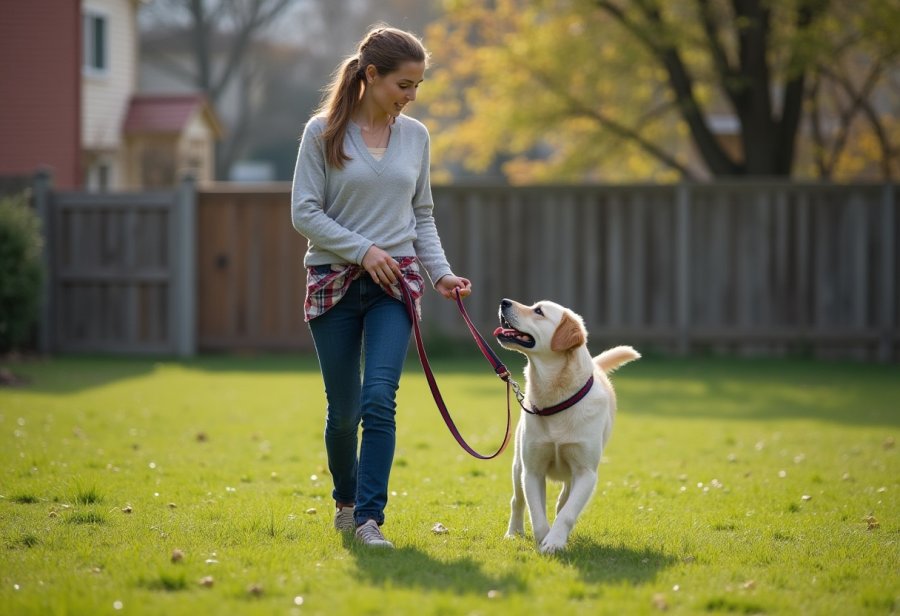
Key Focus Areas: Building Calm, Trust, and Control in Every Walk
Focusing on key areas like calm dog walking, peaceful leash handling, and trust building creates a strong foundation for successful training. When your dog remains relaxed and attentive, managing distractions becomes much easier, turning walks into enjoyable experiences rather than stressful routines. Consistent cues such as “heel” or “focus” help your dog understand your expectations, making it simpler to maintain calmness even in busy or chaotic environments. Reinforcing these behaviors with treats and praise encourages repetition and gradually boosts your dog’s confidence and self-control.
Gentle leash handling is essential for fostering trust and ensuring a peaceful walk. Instead of pulling or yanking, keep the leash slack and steady, signaling to your dog that calm walking is the goal. This approach reduces tension and helps your dog feel secure, making it easier for them to stay focused and relaxed. When your dog remains calm and attentive, it reinforces your role as a confident, steady leader—an important element in cultivating good manners over time.
Trust building extends beyond commands; it’s about creating a safe, predictable environment where your dog feels secure. Spend quality time outside of walks engaging in positive activities like gentle play or cuddling. Consistent, kind interactions help your dog see you as a source of safety and reassurance, making them more eager to cooperate during walks. When your dog trusts you, they’re more likely to stay calm and attentive even amid distractions or surprises.
Mastering the “heel” command is vital for smooth, focused walks. Teaching this involves rewarding your dog whenever they walk closely beside you, paying attention to your cues. With patience and regular practice, “heel” becomes a reliable tool to navigate busy streets or crowded parks, turning potential chaos into calm, controlled moments. These key focus points not only improve leash manners but also deepen the bond of trust and cooperation between you and your dog.
Every walk is an opportunity to strengthen your connection. Celebrate small successes, remain patient through setbacks, and approach training with kindness. When your dog feels safe and understood, they’re more willing to listen and stay calm. These shared moments of trust and cooperation transform routine outings into meaningful experiences, making each walk something both of you look forward to—peaceful, bonding, and full of mutual respect.